


Dominion Status Day
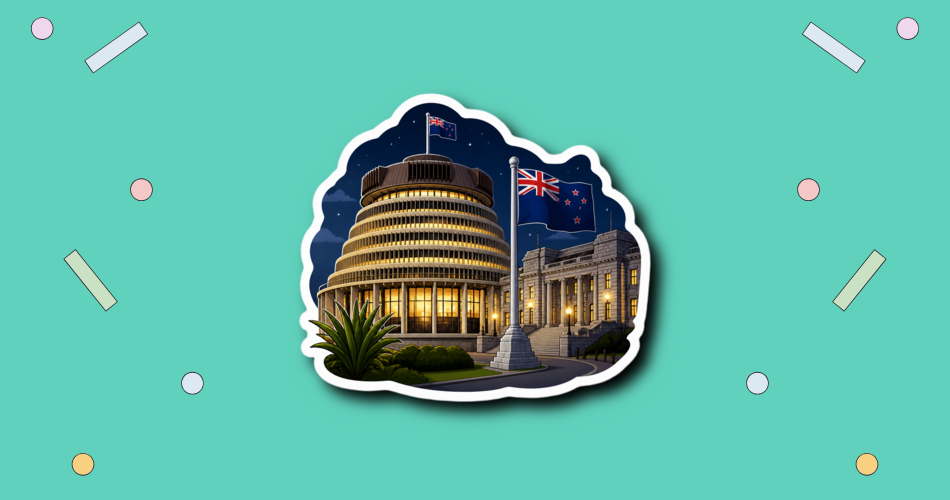
Dominion Status Day is marked annually on September 26. In 2027, this date falls on a Sunday. This observance commemorates the day in 1907 when New Zealand was declared a dominion within the British Empire, a significant step in the nation's constitutional evolution. While often referred to as New Zealand Independence Day, the day is not a public holiday but remains a notable historical anniversary for the country.
Contents
HT Meter
Does this day matter to you?
Tap the meter if it does, and say whether you will be celebrating — that is what opens the wishes from everybody else who will be.
This day matters to me
0 Be the first to say so
Just getting started
0 Let others know you’re in.
Wishes, greetings and stories
Join the celebration to share a wish, a greeting, or how this day goes in your house.
These are kept for the people celebrating this day. Say you will be celebrating to read them and to add your own.
You have already shared something here recently.
Nothing here yet. Yours would be the first.
History of Dominion Status Day
On September 26, 1907, King Edward VII issued a royal proclamation granting New Zealand dominion status, elevating the former colony to a self-governing dominion within the British Empire. This change was largely symbolic, as New Zealand had already enjoyed responsible self-government since 1856. The proclamation was read publicly from the steps of Parliament Buildings in Wellington by Prime Minister Sir Joseph Ward, and the capital celebrated with parades, electric light displays, and official ceremonies. Other cities held military parades, though public enthusiasm varied across the country.
The first Dominion Day was observed with considerable fanfare, including a day off for public servants and festive events in Wellington. However, the anniversary quickly faded from public consciousness. Historians note that the change in status generated little popular demand or emotional attachment, as it was seen as a cosmetic adjustment rather than a transformative event. By the early 1910s, formal celebrations had largely ceased, and Dominion Day never became an official public holiday in New Zealand.
Why is Dominion Status Day important?
Dominion Status Day marks a key moment in New Zealand's journey toward full sovereignty. The declaration of dominion status signaled New Zealand's transition from a colonial dependency to an autonomous partner within the British Empire, capable of managing its own domestic and external affairs. This status laid the groundwork for later constitutional developments, including the adoption of the Statute of Westminster in 1947 and the eventual establishment of a fully independent nation.

Canada Day (Dominion Day)
The day also serves as a reminder of New Zealand's evolving national identity. While the anniversary itself did not capture widespread public imagination, it represents a formal recognition of the country's growing self-confidence and its place within the Commonwealth. Understanding this history helps New Zealanders appreciate the gradual, often understated process by which their nation achieved independence.
- Reflect on New Zealand's constitutional history and the path from colony to independent nation.
- Read about the 1907 proclamation and the role of Prime Minister Sir Joseph Ward in shaping New Zealand's status.
- Explore how dominion status influenced New Zealand's participation in both World Wars and international affairs.
- Discuss with family or friends what national identity means in a modern Commonwealth context.
- Share historical photos or documents from 1907 on social media to raise awareness of this lesser-known anniversary.
How to Celebrate Dominion Status Day
Make it yours
How would you like to spend Dominion Status Day?
Tick what fits you, and we will put together ideas made for this day — not for any day.
Celebrate Dominion Status Day by learning more about New Zealand's unique constitutional journey. Visit a local library or online archive to explore primary sources from 1907, such as newspaper accounts of the proclamation ceremony. You might also enjoy a New Zealand-themed meal featuring traditional dishes like lamb roast, pavlova, or seafood chowder, and raise a toast to the nation's heritage.
For a more active celebration, organize a small gathering with friends to discuss New Zealand history or watch documentaries about the country's development. If you live in New Zealand, consider attending any local events that mark the anniversary, or simply take a moment to appreciate the peaceful, democratic path the nation has followed since becoming a dominion.
Dominion Status Day Dates
| Year | Date | Day of the week |
|---|---|---|
| 2026 | September 26 | Saturday |
| 2027 next | September 26 | Sunday |
| 2028 | September 26 | Tuesday |
| 2029 | September 26 | Wednesday |
| 2030 | September 26 | Thursday |
Sorry to hear you didn't enjoy this article...
Commonwealth Day
Help us make it better!