



Ecuador Independence Day
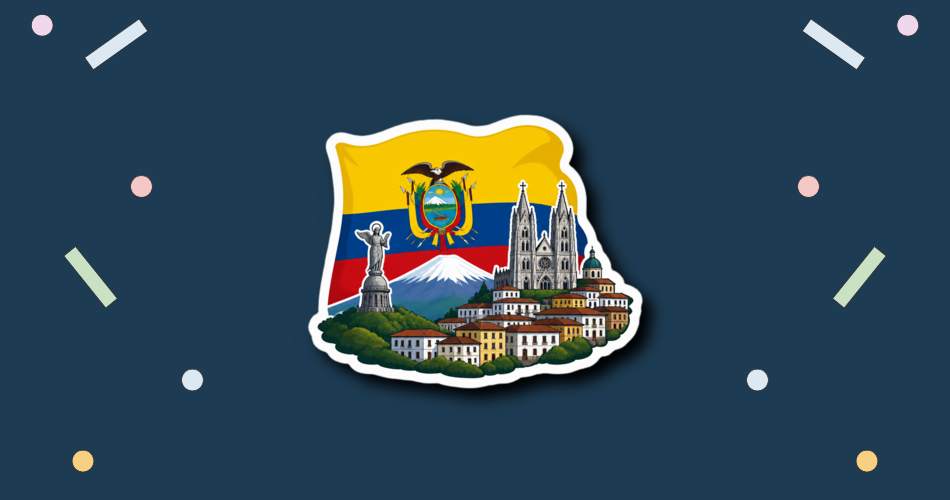
Ecuador Independence Day is celebrated annually on August 10. In 2027, this date falls on a Tuesday. This national public holiday, known in Spanish as Día del Primer Grito de Independencia de Quito, marks the day in 1809 when the people of Quito became the first in Latin America to declare independence from Spanish rule. The event inspired similar movements across Hispanic America and is a source of deep national pride.
Contents
HT Meter
Does this day matter to you?
Tap the meter if it does, and say whether you will be celebrating — that is what opens the wishes from everybody else who will be.
This day matters to me
0 Be the first to say so
Just getting started
0 Let others know you’re in.
Wishes, greetings and stories
Join the celebration to share a wish, a greeting, or how this day goes in your house.
These are kept for the people celebrating this day. Say you will be celebrating to read them and to add your own.
You have already shared something here recently.
Nothing here yet. Yours would be the first.
History of Ecuador Independence Day
Spanish colonization of Ecuador began in the mid-16th century, and by 1563 Quito was established as an administrative region of Spain. After nearly 300 years of colonial rule, on August 10, 1809, a group of citizens in Quito, led by figures such as Juan Pío Montúfar and Bishop Cuero y Caicedo, openly rebelled and declared independence. The uprising was short-lived—Spanish forces suppressed the movement within 24 days—but it planted the first seed of freedom in the region.
Quito’s defiance earned it the nickname “Luz de América” (Light of America). The struggle continued: Guayaquil became the first Ecuadorian city to secure independence on October 9, 1820, and the decisive Battle of Pichincha on May 24, 1822, under Simón Bolívar, finally freed the entire country. Ecuador later separated from Gran Colombia in 1830 to become a fully sovereign republic. The date of August 10 was formally declared a national holiday to honor the first cry for independence.
Why is Ecuador Independence Day important?
This holiday celebrates Ecuador’s pioneering role in the Latin American independence movement. As the first country in the region to declare independence, Ecuador’s bold stand inspired other nations to follow suit. The day is a reminder of the courage and sacrifice of those who fought for self-determination, and it unites Ecuadorians in a shared heritage.
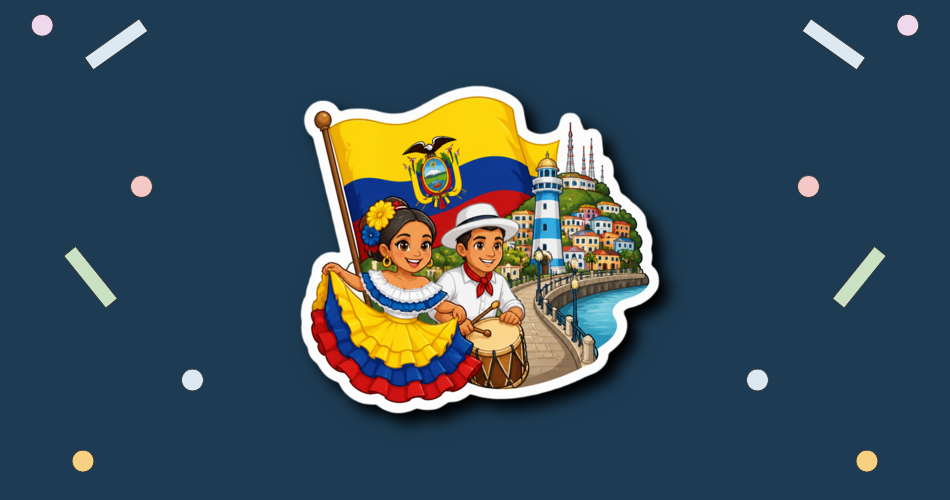
Independence of Guayaquil
Beyond history, the day is a vibrant showcase of Ecuadorian culture. It brings communities together through parades, music, dance, and traditional foods, reinforcing national identity and pride.
- It honors the “First Cry of Hispanic American Independence,” a milestone that influenced liberation movements across the continent.
- The holiday strengthens national unity, as Ecuadorians from all backgrounds celebrate their common history and achievements.
- It preserves and promotes Ecuadorian traditions, including folk music, dance, and cuisine, passing them to new generations.
- The day highlights Quito’s historic role as a symbol of resistance and freedom, earning it international recognition.
- It serves as a moment of reflection on the value of independence and democracy, values that continue to shape the nation today.
How to Celebrate Ecuador Independence Day
Make it yours
How would you like to spend Ecuador Independence Day?
Tick what fits you, and we will put together ideas made for this day — not for any day.
Many cities across Ecuador host parades, cultural festivals, and concerts on August 10. Quito is a focal point, with events in historic plazas like Plaza de la Independencia. Ecuadorians living abroad, especially in the United States, often organize community parades and festivals. Celebrations feature traditional foods such as ceviche, llapingachos, and empanadas, as well as folk dances and music.
Families and friends gather for communal meals, sharing dishes that reflect the country’s rich culinary heritage. Learning about Ecuador’s history, attending a dance performance, or simply sharing stories of independence are meaningful ways to participate.
- Attend a local parade or festival to experience Ecuadorian culture firsthand.
- Cook and enjoy traditional Ecuadorian dishes like ceviche, llapingachos, or empanadas.
- Watch or participate in folk dance performances, such as the traditional Sanjuanito.
- Read about Ecuador’s independence history and share it with friends and family.
- Display the Ecuadorian flag as a symbol of national pride.
Ecuador Independence Day Dates
| Year | Date | Day of the week |
|---|---|---|
| 2026 | August 10 | Monday |
| 2027 next | August 10 | Tuesday |
| 2028 | August 10 | Thursday |
| 2029 | August 10 | Friday |
| 2030 | August 10 | Saturday |
Sorry to hear you didn't enjoy this article...
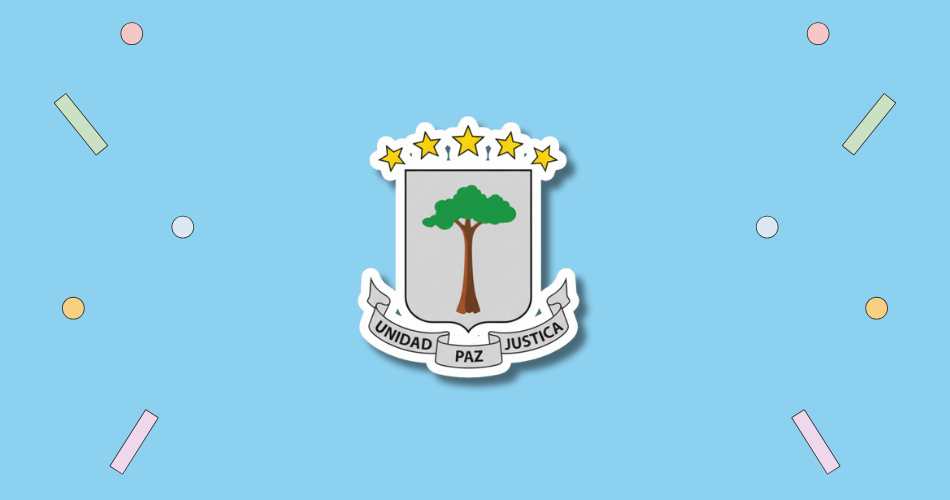
Equatorial Guinea Independence Day
Help us make it better!