



European Day of Languages
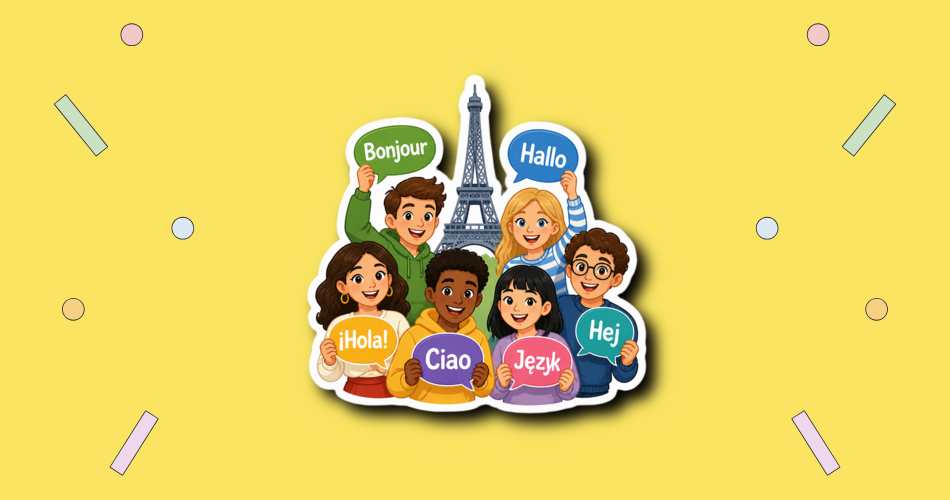
European Day of Languages is celebrated annually on September 26. In 2027, this date falls on a Sunday. This day highlights the importance of language learning and the rich linguistic diversity found across Europe.
Contents
HT Meter
Does this day matter to you?
Tap the meter if it does, and say whether you will be celebrating — that is what opens the wishes from everybody else who will be.
This day matters to me
0 Be the first to say so
Just getting started
0 Let others know you’re in.
Wishes, greetings and stories
Join the celebration to share a wish, a greeting, or how this day goes in your house.
These are kept for the people celebrating this day. Say you will be celebrating to read them and to add your own.
You have already shared something here recently.
Nothing here yet. Yours would be the first.
History of European Day of Languages
The European Day of Languages was established in 2001 as a joint initiative of the Council of Europe and the European Commission. Since its launch, it has been celebrated across the EU and beyond, with support from education ministries, language institutes, cultural organisations, schools, and community groups. The day aims to alert the general public about the importance of learning different languages and to promote the rich linguistic heritage of the continent.
Over the years, the European Day of Languages has grown into a widespread celebration. Events and activities are held in schools, universities, and cultural centres, encouraging people of all ages to explore new languages and appreciate the value of multilingualism. The initiative also supports lifelong language learning and fosters intercultural understanding among European citizens.
Why is European Day of Languages important?
The European Day of Languages raises awareness of how language learning helps people understand other cultures and build stronger relationships. It highlights the rich mix of languages spoken in Europe, including 24 official EU languages and more than 60 regional and minority languages. The day encourages people of all ages to learn languages, both in and outside of school, and promotes multilingualism as a key part of European identity.
Europe Day in the European Union
Learning languages offers many benefits. It can help people travel more easily, enhance job opportunities, and provide deeper cultural insights through books, films, and news in their original language. Language learning also builds self-confidence, social skills, and boosts brain flexibility, memory, concentration, and creativity.
- Promotes the importance and benefits of language learning
- Raises awareness and appreciation of all languages used in Europe
- Encourages and supports lifelong language learning
- Fosters intercultural relations and appreciation of diversity
- Highlights the rich mix of languages spoken across Europe
How to Celebrate European Day of Languages
Make it yours
How would you like to spend European Day of Languages?
Tick what fits you, and we will put together ideas made for this day — not for any day.
Celebrating the European Day of Languages can be a fun and enriching experience. Schools and organisations can organise language-themed events, such as language cafés, cultural exchanges, or interactive games that introduce participants to new languages. Teachers can incorporate multilingual activities into their lessons, encouraging students to share their linguistic heritage and learn about the languages of their peers.
Individuals can take part by exploring a new language through apps, attending local events, or simply learning a few phrases in a language they have never tried before. The European Day of Languages website offers a range of interactive games and resources for language teachers and learners. Anyone can come up with ideas or events centred around languages and join the celebration.
- Organise a language café or cultural exchange event
- Host a multilingual storytime or poetry reading
- Learn a few phrases in a new language using apps or online resources
- Encourage students to share their linguistic heritage in class
- Participate in the European Day of Languages competition or activities
European Day of Languages Dates
| Year | Date | Day of the week |
|---|---|---|
| 2026 | September 26 | Saturday |
| 2027 next | September 26 | Sunday |
| 2028 | September 26 | Tuesday |
| 2029 | September 26 | Wednesday |
| 2030 | September 26 | Thursday |
Sorry to hear you didn't enjoy this article...

International Mother Language Day
Help us make it better!