



Founder’s Day
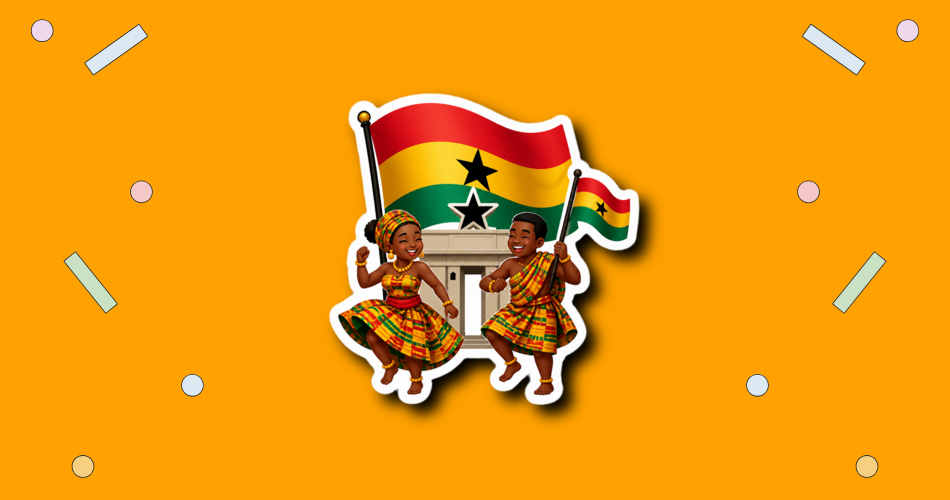
Founder's Day is celebrated annually on August 4. In 2027, this date falls on a Wednesday. This day holds great significance as it commemorates the country's journey towards independence. Initially known as Founder's Day, the celebration now pays tribute to not just one, but all the founding fathers of Ghana's freedom movement.
Contents
HT Meter
Does this day matter to you?
Tap the meter if it does, and say whether you will be celebrating — that is what opens the wishes from everybody else who will be.
This day matters to me
0 Be the first to say so
Just getting started
0 Let others know you’re in.
Wishes, greetings and stories
Join the celebration to share a wish, a greeting, or how this day goes in your house.
These are kept for the people celebrating this day. Say you will be celebrating to read them and to add your own.
You have already shared something here recently.
Nothing here yet. Yours would be the first.
History of Founder's Day
Founder's Day in Ghana was originally established to honor Dr. Kwame Nkrumah, the nation's first Prime Minister and President, who played a pivotal role in leading Ghana to independence from British colonial rule in 1957. The day was first observed on September 21, Nkrumah's birthday, and served as a time to reflect on his contributions to the country's liberation. Over time, the focus of the holiday expanded to recognize the collective efforts of all the founding fathers who fought for Ghana's freedom.
In 2019, the Ghanaian government officially changed the name from Founder's Day to Founders' Day, shifting the date to August 4 to honor the broader group of independence activists. This date marks the formation of the United Gold Coast Convention (UGCC) in 1947, a political party that spearheaded the independence movement. The change aimed to acknowledge the diverse contributions of figures like J.B. Danquah, Edward Akufo-Addo, and others who worked alongside Nkrumah to achieve self-governance.
Why is Founder's Day important?
Founder's Day is a vital national holiday that reminds Ghanaians of the sacrifices made by their forebears to secure independence. It fosters a sense of unity and pride, encouraging citizens to reflect on the values of freedom, democracy, and self-determination that underpin the nation. The day also serves as an educational opportunity for younger generations to learn about the country's history and the leaders who shaped its destiny.
Ghana Independence Day
Beyond historical reflection, Founder's Day promotes national cohesion by celebrating the collective struggle for liberation. It highlights the importance of collaboration and shared vision in overcoming colonial oppression. The holiday also provides a platform for cultural expression, with events that showcase Ghanaian traditions and achievements.
- Reflect on the contributions of Ghana's founding fathers to the independence movement.
- Participate in parades and cultural performances that celebrate national heritage.
- Visit historical sites such as the Kwame Nkrumah Mausoleum in Accra.
- Engage in community service projects to honor the spirit of nation-building.
- Attend lectures and discussions on Ghana's history and democratic development.
How to Celebrate Founder's Day
Make it yours
How would you like to spend Founder's Day?
Tick what fits you, and we will put together ideas made for this day — not for any day.
Ghanaians celebrate Founder's Day with a variety of activities that blend patriotism with cultural pride. Many attend official ceremonies, including parades and speeches by government officials, which highlight the achievements of the founding fathers. Families and friends gather for festive meals, often featuring traditional dishes like jollof rice, fufu, and banku, accompanied by music and dancing. Communities organize cultural festivals that showcase drumming, dancing, and storytelling, reinforcing the rich heritage of the nation.
Educational institutions and civic groups host seminars and exhibitions that explore Ghana's path to independence. These events encourage dialogue about the country's future and the ongoing relevance of the founders' ideals. Some people choose to volunteer for local charities or participate in clean-up campaigns, embodying the spirit of service that the founders exemplified. The day concludes with fireworks displays and concerts, creating a joyful atmosphere across the country.
Founder's Day Dates
| Year | Date | Day of the week |
|---|---|---|
| 2026 | August 4 | Tuesday |
| 2027 next | August 4 | Wednesday |
| 2028 | August 4 | Friday |
| 2029 | August 4 | Saturday |
| 2030 | August 4 | Sunday |
Sorry to hear you didn't enjoy this article...
Constitution Day in Ghana
Help us make it better!