
Gathering of Nations
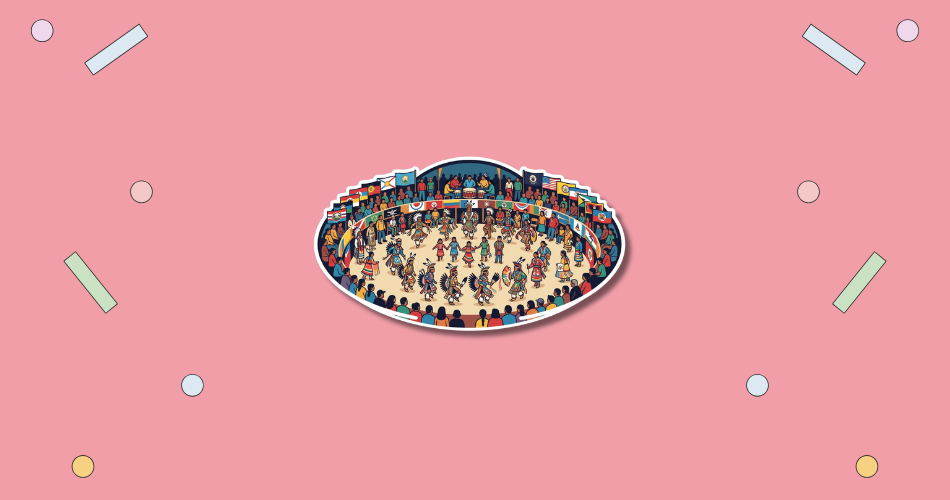
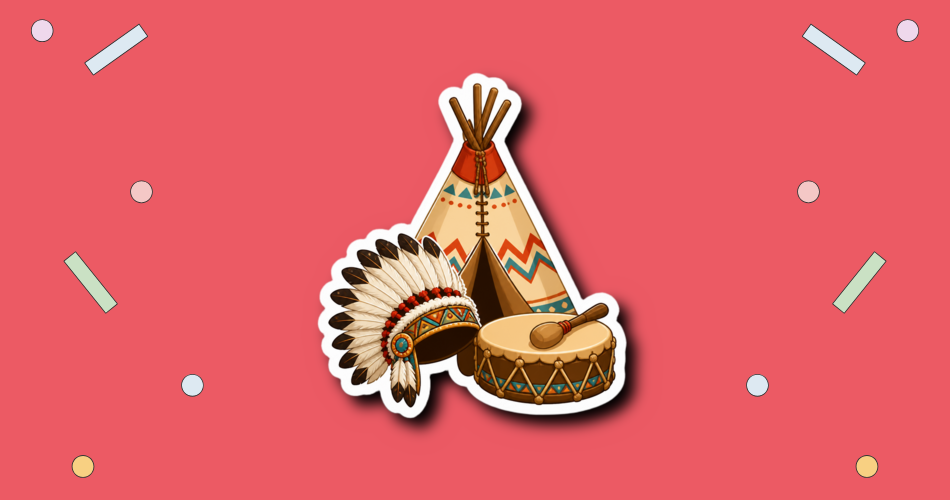
The Gathering of Nations is observed annually on the fourth weekend of April. In 2026, it falls on April 24–25. This event is the largest powwow in the world, bringing together thousands of Indigenous people from over 500 tribes across the United States and Canada. Held in Albuquerque, New Mexico, it serves as a massive cultural exchange where traditional singing and dancing competitions take center stage alongside the crowning of Miss Indian World. 1
Contents
See also: Aztec New Year, Constitution Day in Mexico, Extraterrestrial Culture Day
HT Meter
Does this day matter to you?
Tap the meter if it does, and say whether you will be celebrating — that is what opens the wishes from everybody else who will be.
This day matters to me
0 Be the first to say so
Just getting started
0 Let others know you’re in.
Wishes, greetings and stories
Join the celebration to share a wish, a greeting, or how this day goes in your house.
These are kept for the people celebrating this day. Say you will be celebrating to read them and to add your own.
You have already shared something here recently.
Nothing here yet. Yours would be the first.
History of Gathering of Nations
The event began in 1983 as a modest project organized by Derek Mathews at the University of Albuquerque. Initially, it was a relatively small gathering intended to provide Native students and the local community with a place to share their heritage. By 1984, the event adopted its current name and moved to the New Mexico State Fairgrounds. As word of the festival spread throughout Indian Country, it outgrew several venues, eventually spending 30 years at the University of New Mexico’s basketball arena, known as “The Pit,” where it regularly reached sell-out capacities of over 20,000 attendees.
American Indian Day
In 2017, the Gathering of Nations returned to the Expo New Mexico grounds to accommodate its expansive needs, including the Indian Traders Market and the Horse and Rider Regalia Parade. Throughout its four-decade history, the event has remained focused on fairness in competition and the preservation of tribal traditions. However, organizers have announced that the 2026 event will be known as “The Last Dance,” marking the final year of this historic gathering in its current format.
Why is Gathering of Nations important?
This powwow is a critical venue for the preservation of Indigenous languages, songs, and dance styles that might otherwise face extinction. It provides a massive economic platform for Native American artisans and vendors who rely on the Indian Traders Market to sustain their livelihoods. By showcasing the vibrancy of contemporary Native life, the event challenges stereotypes and educates the broader public about the diversity of tribal nations. It is often referred to as the “Mecca of Indian Country” because of its role in reuniting families and friends from distant regions.
Beyond the physical spectacle, the gathering is a spiritual experience centered on the “heartbeat” of the drum. The rhythmic music and traditional regalia serve as a profound connection to ancestors and the land. For the younger generation, participating in the competitions or the Miss Indian World pageant reinforces a sense of pride and cultural identity. It creates a space where Indigenous people can express their sovereignty and resilience through art and community bonding.
- Grand entries feature thousands of dancers entering the arena in a massive display of unity.
- The Miss Indian World pageant honors the cultural knowledge and leadership of young women.
- Drum groups compete to provide the steady rhythm essential for all traditional dances.
- The Indian Traders Market offers authentic, handmade jewelry and crafts from across the continent.
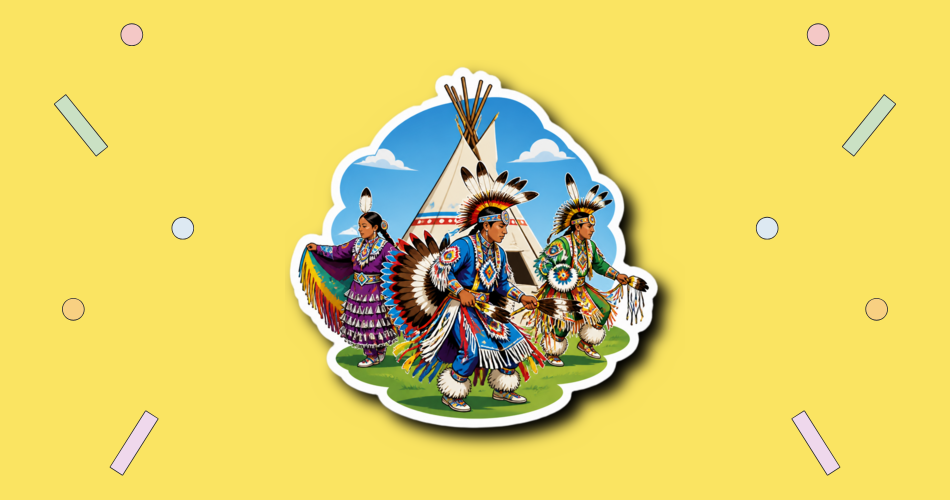
- Competitive dance categories allow participants to showcase tribal-specific styles like the Jingle Dance or Grass Dance.
How to Celebrate Gathering of Nations
Make it yours
How would you like to spend Gathering of Nations (Pow Wow)?
Tick what fits you, and we will put together ideas made for this day — not for any day.
National Native American Day
Attending the event in person requires arriving early to secure seating and navigating heavy traffic around the Expo New Mexico grounds. Spectators should focus on the Grand Entry, a powerful ceremonial start where all dancers enter the arena in full regalia. It is customary for the audience to stand and remove hats during the opening prayer and the presentation of flags. Visitors can also explore the Horse and Rider Regalia Parade, which showcases the unique bond between various tribes and their horses through intricate adornments.
For those unable to travel to Albuquerque, the event is often accessible via live webcasts, allowing a global audience to watch the competitions. Observers are encouraged to support Indigenous artists by purchasing authentic works and learning about the specific history of the tribes represented. Whether attending in person or remotely, it is important to remember that regalia is not a costume; it is a sacred garment that should never be touched without the owner’s permission.
- Attend a Grand Entry to witness the official start of the singing and dancing festivities.
- Explore the Indian Traders Market to purchase genuine Native American art and clothing.
- Watch the Horse and Rider Regalia Parade to see traditional tribal equestrian adornments.
- Sample traditional foods like frybread or Indian tacos at the various food stalls.
- Listen to contemporary Indigenous musicians performing on Stage 49 throughout the weekend.