
National Hairball Awareness Day
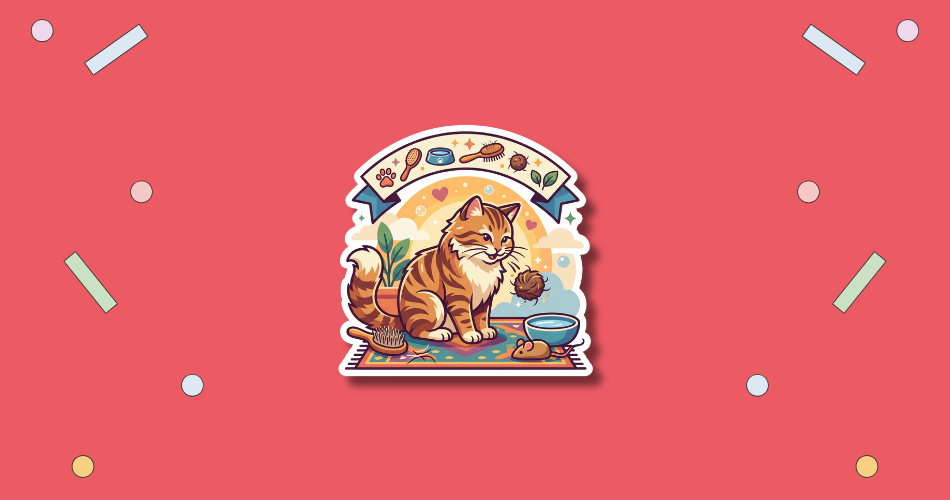
National Hairball Awareness Day is observed on the last Friday of April. In 2026, it falls on April 24. This day focuses on the health and comfort of domestic cats by highlighting the causes and prevention of trichobezoars, commonly known as hairballs. It serves as a reminder for pet owners to pay closer attention to their felines’ digestive health and grooming habits to prevent potential medical complications.
Contents
See also: International Pet Groomer Appreciation Day, Pet Owners Independence Day, National Pet Day
HT Meter
Does this day matter to you?
Tap the meter if it does, and say whether you will be celebrating — that is what opens the wishes from everybody else who will be.
This day matters to me
0 Be the first to say so
Just getting started
0 Let others know you’re in.
Wishes, greetings and stories
Join the celebration to share a wish, a greeting, or how this day goes in your house.
These are kept for the people celebrating this day. Say you will be celebrating to read them and to add your own.
You have already shared something here recently.
Nothing here yet. Yours would be the first.
History of National Hairball Awareness Day
The observance was established to educate the public on a common but often misunderstood aspect of feline hygiene. While hairballs are a natural byproduct of a cat’s self-grooming process, they can sometimes lead to serious gastrointestinal blockages if not managed properly. The day was created by pet health advocates and veterinarians to provide owners with practical solutions to reduce the frequency of these occurrences.

National Cat & Dog Gut Health Awareness Day
Over time, the day has gained support from animal shelters and pet food manufacturers who use the platform to share nutritional advice. It emphasizes that while the occasional hairball is normal, frequent retching can be a sign of underlying issues such as skin allergies, over-grooming due to stress, or digestive deficiencies. By dedicating a specific day to the topic, the veterinary community has successfully moved the conversation from a minor household nuisance to a legitimate wellness concern.
Why is National Hairball Awareness Day important?
Education on this day is critical for preventing emergency veterinary visits. When a cat grooms itself, the tiny barbs on its tongue, called papillae, catch loose fur which is then swallowed. While most hair passes through the digestive tract, some remains in the stomach and forms a mass. If these masses become too large to be regurgitated or passed, they can cause life-threatening obstructions that require surgical intervention.
The day also highlights the link between grooming and emotional well-being. Excessive grooming can be a symptom of feline anxiety or boredom, leading to an increase in hairball production. By understanding these triggers, owners can improve their pets’ environment and mental health. The observance encourages a proactive approach to pet care, ensuring that cats live more comfortable lives without the distress caused by chronic digestive irritation.
- Regular awareness helps owners distinguish between normal grooming and pathological hairball issues.
- Understanding feline anatomy explains why cats are physically unable to spit out loose fur.
- Early intervention prevents the need for invasive and expensive gastrointestinal surgeries.
- Improved dietary knowledge leads to better coat health and less seasonal shedding.
- Stress reduction for the pet results in fewer behavioral issues related to over-grooming.
How to Celebrate National Hairball Awareness Day
Make it yours
How would you like to spend National Hairball Awareness Day?
Tick what fits you, and we will put together ideas made for this day — not for any day.
Declaw Awareness Day
The most effective way to observe this day is by implementing a consistent grooming routine. Brushing a cat daily or several times a week significantly reduces the amount of loose fur they ingest. Using specialized tools like de-shedding combs can remove the undercoat where most loose hair accumulates. This practice not only prevents hairballs but also serves as a bonding activity that can lower stress levels for both the pet and the owner.
Another way to participate is by evaluating the cat’s diet and hydration. Adding fiber-rich supplements, such as plain canned pumpkin, or switching to a specialized hairball control formula can help hair move more smoothly through the digestive system. Owners are also encouraged to increase water access through pet fountains, as proper hydration is essential for healthy digestion. Consulting with a veterinarian on this day about the frequency of a pet’s hairballs can provide peace of mind and a tailored health plan.
- Dedicate extra time to brushing your cat to remove dead fur before it is swallowed.
- Clean and refill water bowls or fountains to encourage better hydration for your pet.
- Consult with a veterinarian about high-fiber food options or hairball-prevention gels.
- Introduce new toys or interactive play to distract a cat from boredom-induced over-grooming.
- Share educational tips with other cat owners to spread knowledge about feline digestive safety.
National Hairball Awareness Day Dates Table
| Year | Date | Day of the week |
|---|---|---|
| 2026 | April 24 | Friday |
| 2027 next | April 30 | Friday |
| 2028 | April 28 | Friday |
| 2029 | April 27 | Friday |
| 2030 | April 26 | Friday |