
Get Ready Day
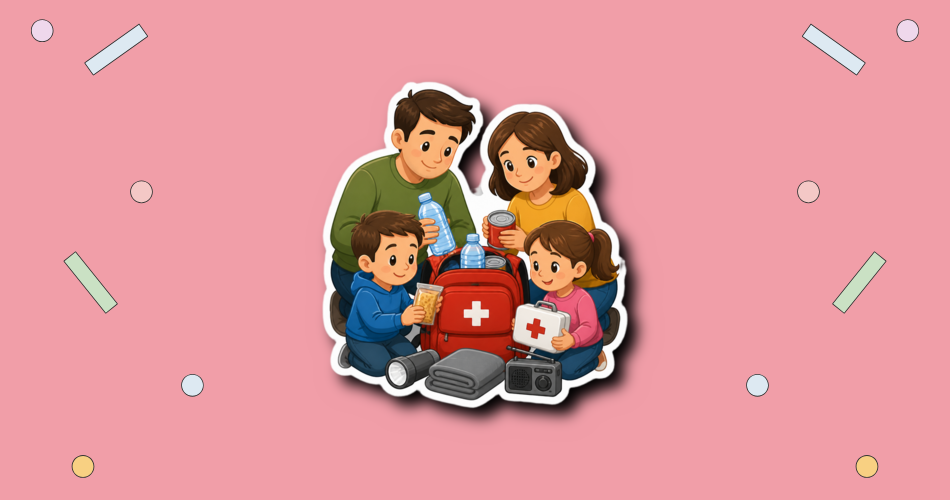
Get Ready Day is observed annually on September 15. In 2027, this date falls on a Wednesday. This day serves as a vital reminder to assess and update emergency preparedness plans for individuals, families, and communities across the United States.
Contents
HT Meter
Does this day matter to you?
Tap the meter if it does, and say whether you will be celebrating — that is what opens the wishes from everybody else who will be.
This day matters to me
0 Be the first to say so
Just getting started
0 Let others know you’re in.
Wishes, greetings and stories
Join the celebration to share a wish, a greeting, or how this day goes in your house.
These are kept for the people celebrating this day. Say you will be celebrating to read them and to add your own.
You have already shared something here recently.
Nothing here yet. Yours would be the first.
History of Get Ready Day
The American Public Health Association launched its Get Ready campaign in 2006 to help Americans prepare for all hazards, including infectious disease outbreaks, natural disasters, and other emergencies. The campaign recognized that consistent, proactive planning reduces risk and saves lives. Get Ready Day emerged as a dedicated annual observance within this broader initiative, providing a focused opportunity for people to take concrete steps toward readiness.
Over the years, Get Ready Day has grown into a nationwide call to action. The APHA provides free resources, activity ideas, and calendars to help communities organize events and spread awareness. The day aligns with National Preparedness Month in September, reinforcing the importance of being ready before disaster strikes. By designating a specific date, the campaign encourages people to make preparedness a regular habit rather than a one-time effort.
Why is Get Ready Day important?
Emergencies and natural disasters can strike without warning, disrupting lives and straining resources. Being prepared reduces panic, minimizes injury, and speeds recovery. Get Ready Day emphasizes that preparedness is everyone’s responsibility, not just that of government agencies or first responders. When individuals take simple steps—like building a kit, making a plan, and staying informed—they strengthen the resilience of entire communities.
National PrepareAthon Day
This observance also addresses the psychological benefits of readiness. Knowing what to do in an emergency reduces anxiety and builds confidence. Get Ready Day encourages people to think about the specific hazards they face, whether hurricanes, wildfires, floods, or infectious disease outbreaks, and to tailor their plans accordingly. The day is a practical checkpoint for reviewing supplies, updating contact lists, and rehearsing evacuation routes.
- Refresh emergency supply kits with fresh water, non-perishable food, batteries, and first aid supplies.
- Review and update family communication plans, including out-of-state contact information.
- Sign up for local emergency alerts and download preparedness apps.
- Practice evacuation drills with household members, including pets.
- Check smoke detectors, carbon monoxide alarms, and fire extinguishers.
How to Celebrate Get Ready Day
Make it yours
How would you like to spend Get Ready Day?
Tick what fits you, and we will put together ideas made for this day — not for any day.
Get Ready Day is a positive occasion to take proactive steps toward safety. Individuals and families can set aside time to assemble or restock emergency kits, ensuring they have enough supplies for at least three days. Many communities host preparedness fairs, workshops, or training sessions where people can learn CPR, first aid, or how to use a fire extinguisher. Participating in these events builds skills and strengthens neighborhood networks.
Schools, workplaces, and faith-based organizations can also join the effort. Conducting a tabletop exercise or a full-scale drill helps identify gaps in plans. Teachers can incorporate age-appropriate lessons on natural disasters and safety procedures. Employers can provide resources for employees to create personal preparedness plans. The goal is to make readiness a shared, routine activity that everyone can embrace.
- Host a neighborhood preparedness potluck where neighbors share supplies and ideas.
- Create a digital family safety document with medical records, insurance policies, and important contacts.
- Learn how to shut off utilities such as gas, water, and electricity.
- Make a go-bag for each family member, including essential medications, clothes, and comfort items.
- Volunteer with a local emergency response team or donate to disaster relief organizations.
Get Ready Day Dates
| Year | Date | Day of the week |
|---|---|---|
| 2026 | September 15 | Tuesday |
| 2027 next | September 15 | Wednesday |
| 2028 | September 15 | Friday |
| 2029 | September 15 | Saturday |
| 2030 | September 15 | Sunday |