


Great American Grump Out

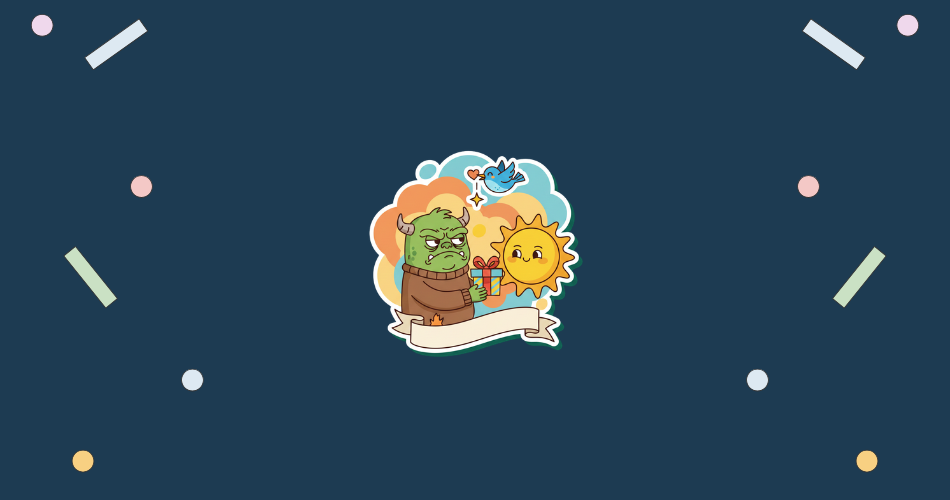
The Great American Grump Out is observed annually on the first Wednesday of May, which falls on May 6 in 2026. This unique holiday challenges participants to spend a full 24 hours abstaining from all forms of grumpiness, moodiness, and general negativity. The primary goal is to encourage a temporary moratorium on complaining and irritable behavior to demonstrate how a shift in attitude can improve both individual well-being and the collective social atmosphere. By consciously choosing to ignore the minor inconveniences that typically cause annoyance—such as traffic jams, long lines, or trivial work stressors—individuals can experience the mental and physical benefits of maintaining a positive outlook. Scientific studies have often suggested that the act of smiling or consciously choosing positivity can lower cortisol levels and reduce stress, making this day not just a social experiment but a practical exercise in emotional regulation. It serves as a lighthearted reminder that while everyone is entitled to a bad day, a collective effort to “un-grump” can lead to more harmonious workplaces, homes, and public spaces, fostering a more patient and empathetic society. Replacing a scowl with a smile, even when forced initially, can trick the brain into a state of calm, highlighting the profound mind-body connection.
Contents
See also: Pay a Compliment Day, That Sucks Day, National Griper’s Day, Do a Grouch a Favor Day
HT Meter
Does this day matter to you?
Tap the meter if it does, and say whether you will be celebrating — that is what opens the wishes from everybody else who will be.
This day matters to me
0 Be the first to say so
Just getting started
0 Let others know you’re in.
Wishes, greetings and stories
Join the celebration to share a wish, a greeting, or how this day goes in your house.
These are kept for the people celebrating this day. Say you will be celebrating to read them and to add your own.
You have already shared something here recently.
Nothing here yet. Yours would be the first.
History of the Great American Grump Out
This observance was created in 2002 by Janice A. Hathy, an author, speaker, and stress reduction consultant who founded the company Smile Mania. Hathy wanted to find a way to combat the pervasive negativity and chronic stress she observed in daily American life. She envisioned the day as a 24-hour fast from grumbling, rooted in the belief that if people could successfully manage their moods for just one day, they might realize they possess far more control over their emotional reactions than they previously thought. The idea quickly gained popularity as a fun and accessible way to promote mental health and social etiquette.
National Grouch Day
Since its inception, the holiday has been embraced by various organizations, schools, and workplaces that see it as an opportunity for an “attitude adjustment.” While it began as a grassroots effort in the United States, the concept has resonated globally, appealing to anyone looking for a break from the cynicism and irritability that can often dominate modern discourse. It has evolved from a simple suggestion into a structured day where people actively trade scowls for smiles and complaints for compliments.
Why is the Great American Grump Out important?
The significance of this day lies in its focus on the power of habit. Many people fall into patterns of complaining or reacting with irritability without realizing the toll it takes on their mental clarity and their relationships. By setting aside a specific day to be “grump-free,” participants are forced to be mindful of their reactions. This awareness is the first step toward breaking negative cycles and developing more resilient coping mechanisms for life’s inevitable frustrations.
Furthermore, the holiday addresses the contagious nature of moods. Negative energy often spreads rapidly through a group, leading to decreased morale and increased tension in both professional and domestic environments. The Great American Grump Out acts as a circuit breaker for this social contagion. When one person chooses to remain positive despite a provocation, it often inspires those around them to do the same. It serves as a powerful demonstration of how individual behavior can positively influence the quality of life for an entire community.
- It promotes mindfulness regarding emotional triggers and reactions.
- The day helps reduce workplace and domestic stress through improved communication.
- It highlights the link between a positive attitude and physical health.
- The holiday encourages a shift from a culture of complaining to a culture of gratitude.
- It provides a low-pressure environment for people to practice emotional self-regulation.
How to Celebrate the Great American Grump Out
Make it yours
How would you like to spend Great American Grump Out?
Tick what fits you, and we will put together ideas made for this day — not for any day.
National Griper's Day
To celebrate, start by making a conscious commitment to avoid any vocalized complaints or outward displays of irritability from sunrise to sunset. If you find yourself becoming annoyed, use the “count to ten” method or take a deep breath to reset your emotional state. Instead of focusing on what is going wrong, try to actively seek out things to be grateful for. Small acts like holding a door open, offering a genuine compliment, or simply smiling at a stranger can go a long way in maintaining the spirit of the day.
Workplaces can celebrate by hosting “positivity lunches” or encouraging employees to share one good thing that happened during their shift. Teachers can use the day to talk to students about the importance of kindness and how their mood affects their classmates. The goal is not to suppress genuine sadness or serious concerns, but rather to eliminate the “unnecessary” grumpiness that often stems from impatience or minor ego bruises.
- Keep a “gratitude log” for the day to track positive moments.
- Avoid social media threads or news segments that are designed to incite anger.
- Replace a complaint with a constructive suggestion or a positive observation.
- Wear a bright color or a symbol that reminds you to stay upbeat.
- Treat yourself to a “joyful” activity, such as a walk in the park or a favorite hobby.
Great American Grump Out asks us to replace our knee-jerk frustrations with humor, grace, and an active appreciation for the present moment, proving that joy is often a deliberate choice rather than a passive reaction to circumstance.