


Independence Day in South Sudan
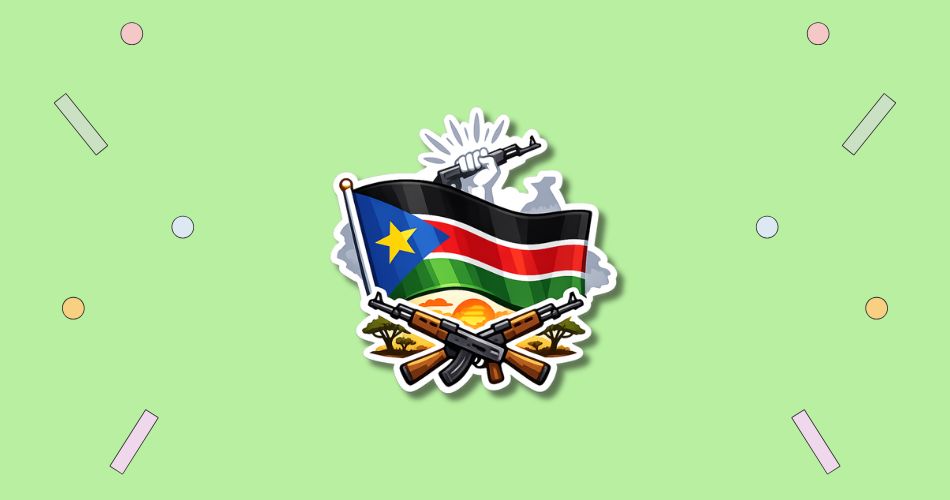
Independence Day in South Sudan is celebrated on July 9th each year. In 2027, this date falls on a Friday. It marks the nation’s formal break from the Republic of Sudan in 2011 and is observed as a public holiday when many schools and businesses close, giving people time to participate in civic and community events.
Contents
HT Meter
Does this day matter to you?
Tap the meter if it does, and say whether you will be celebrating — that is what opens the wishes from everybody else who will be.
This day matters to me
0 Be the first to say so
Just getting started
0 Let others know you’re in.
Wishes, greetings and stories
Join the celebration to share a wish, a greeting, or how this day goes in your house.
These are kept for the people celebrating this day. Say you will be celebrating to read them and to add your own.
You have already shared something here recently.
Nothing here yet. Yours would be the first.
History of Independence Day in South Sudan
The modern political history that led to independence is long and complex. The region that became South Sudan has long had distinct cultural and geographic characteristics within the greater Sudan area, and during the 20th century political arrangements under British and Egyptian influence shaped the modern states. Sudan won independence from Anglo-Egyptian rule in 1956, and tensions between the north and south contributed to lengthy conflicts, including the First and Second Sudanese Civil Wars.
A turning point came with the Comprehensive Peace Agreement of 2005, which restored autonomy for the south and created the conditions for a referendum. In January 2011, the people of southern Sudan voted overwhelmingly for independence, with the referendum reporting 98.83% in favor. At midnight on July 9, 2011, the Republic of South Sudan officially became an independent country; a few days later it joined the United Nations and was widely recognized as a sovereign state.
Why is Independence Day in South Sudan important?
Independence Day stands as a national moment to acknowledge the long struggle for self-determination and to celebrate the creation of a new state. The day is an opportunity for citizens to reflect on the work of building institutions, improving services, and strengthening civic life after years of conflict and instability.
Sudan Independence Day
The holiday also serves as a reminder of resilience in the face of challenges that the country has encountered since independence, including public health crises, food insecurity, flooding, and episodes of civil unrest. Observances emphasize unity and hope while many communities use the day to discuss the country’s future direction and to strengthen local ties.
- It marks the country’s legal and political independence from Sudan in 2011.
- It honors the efforts and sacrifices made during decades of struggle for autonomy.
- It reinforces a shared national identity and pride through public ceremonies and symbols.
- It provides a nationwide pause for citizens to reflect on recovery, development, and reconciliation.
- It encourages celebration and participation across states, not only in the capital.
How to Celebrate Independence Day in South Sudan
Make it yours
How would you like to spend Independence Day in South Sudan?
Tick what fits you, and we will put together ideas made for this day — not for any day.
Communities celebrate with music, food, parades, and public ceremonies that bring people together. Local governments, cultural groups, and civil society often organize events that include flag-raising ceremonies, musical performances, and communal meals that highlight South Sudanese traditions and cuisine.
The national government typically holds a main event in the capital, where leaders deliver addresses to the nation, but cultural and civic leaders encourage celebrations across all states so the day belongs to every citizen. Participating in local events is a practical way to show civic pride, enjoy cultural displays, and support community cohesion.
- Attend or watch the official ceremony in Juba where national leaders speak and the flag is raised.
- Join or support local parades and cultural performances that feature music and traditional dress.
- Share a communal meal with friends, family, or neighbors to celebrate local foods and hospitality.
- Display the national flag at homes and public buildings to show solidarity and national pride.
- Take part in community-organized activities that use the day to discuss development goals and civic engagement.
Independence Day in South Sudan Dates
| Year | Date | Day of the week |
|---|---|---|
| 2026 | July 9 | Thursday |
| 2027 next | July 9 | Friday |
| 2028 | July 9 | Sunday |
| 2029 | July 9 | Monday |
| 2030 | July 9 | Tuesday |

Sorry to hear you didn't enjoy this article...
Independence Day of Senegal
Help us make it better!