



Independence Day in Argentina
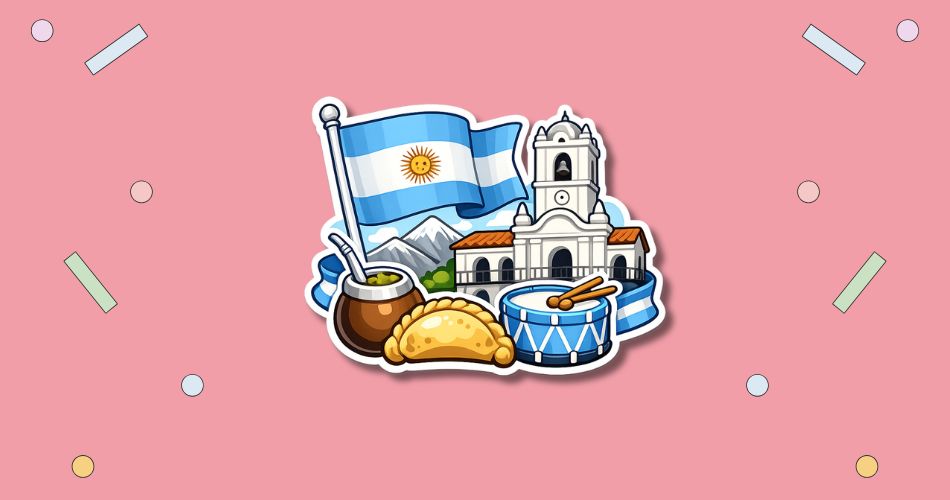
The Independence Day in Argentina is celebrated on July 9. In 2027, this date falls on a Friday. This federal public holiday commemorates the formal declaration made in 1816 by the Congress of Tucumán, and it remains a central moment of national pride across Argentina, marked by official ceremonies, parades and family gatherings.
Contents
HT Meter
Does this day matter to you?
Tap the meter if it does, and say whether you will be celebrating — that is what opens the wishes from everybody else who will be.
This day matters to me
0 Be the first to say so
Just getting started
0 Let others know you’re in.
Wishes, greetings and stories
Join the celebration to share a wish, a greeting, or how this day goes in your house.
These are kept for the people celebrating this day. Say you will be celebrating to read them and to add your own.
You have already shared something here recently.
Nothing here yet. Yours would be the first.
History of Independence Day in Argentina
In the years before 1816, political upheaval in Spain and local moves toward self-government set the stage for independence. The May Revolution of 1810 removed the viceroy’s authority in Buenos Aires and created the Primera Junta, which began governing locally. When the Spanish monarchy was reconstituted and sought to reassert control, delegates from the provinces moved to settle their future as a polity independent of the restored Spanish crown.
Delegates from across the United Provinces gathered in the city of San Miguel de Tucumán. Sessions of the Congress opened on 24 March 1816 with thirty-three deputies, and after debate over the form of government the Congress voted to declare independence on 9 July 1816. The Casa Histórica de la Independencia in Tucumán, the room where the declaration was signed, has been preserved as a national monument and remains a focal point for commemorations.
Why is Independence Day in Argentina important?
Independence Day marks the legal and symbolic birth of an independent Argentine polity and provides a yearly moment to reflect on the choices that shaped the nation. The declaration severed the formal colonial link with Spain and is taught and remembered as a founding act in schools, public ceremonies and national iconography.
May Revolution Day
The day also reinforces civic identity and cultural continuity. It brings communities together for ceremony and celebration, and it connects Argentines at home and abroad to shared history, symbols and traditions.
- It commemorates the 1816 declaration that established sovereignty from Spanish rule.
- It honors the delegates and provincial communities that took part in the Congress of Tucumán.
- It serves as a national moment for civic ritual, including speeches and military parades.
- It reinforces cultural traditions such as flag displays, folk music and regional cuisine.
- It helps Argentine communities abroad maintain ties to national memory and celebration.
How to Celebrate Independence Day in Argentina
Make it yours
How would you like to spend Independence Day in Argentina?
Tick what fits you, and we will put together ideas made for this day — not for any day.
Public life on July 9 blends official ceremony with warm, community-focused celebration. Major commemorations occur in San Miguel de Tucumán, where the Casa Histórica stands, and in Buenos Aires, where civic events, parades and speeches are common. Local festivals and cultural institutions also stage concerts, historical displays and family activities.
Food and shared time with family are central to popular observance. Many people prepare traditional dishes and gather for meals that highlight regional specialties. Embassies, cultural centers and Argentine communities overseas often organize receptions and events so expatriates can mark the day together.
- Attend or watch parades, flag-raising ceremonies and official speeches in cities and towns.
- Visit the Casa Histórica de la Independencia in Tucumán or local museums with exhibits about 1816.
- Share traditional foods like locro, empanadas and asado at family gatherings and public festivals.
- Display the national flag and take part in community concerts, folk dances and school events.
- Join cultural programs run by Argentine embassies or community associations if you are abroad.
Independence Day in Argentina Dates
| Year | Date | Day of the week |
|---|---|---|
| 2026 | July 9 | Thursday |
| 2027 next | July 9 | Friday |
| 2028 | July 9 | Sunday |
| 2029 | July 9 | Monday |
| 2030 | July 9 | Tuesday |
Sorry to hear you didn't enjoy this article...
Paraguay Independence Day
Help us make it better!