


May Revolution Day
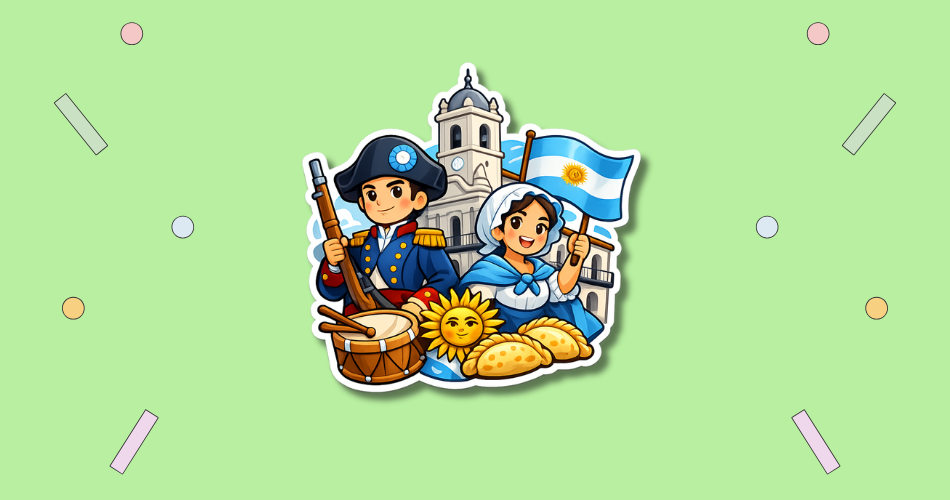
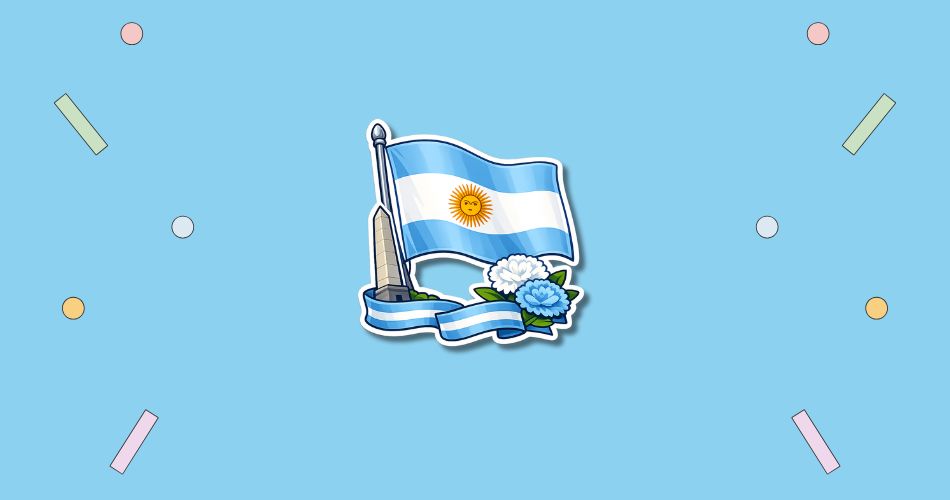
May Revolution Day is observed every year on May 25. In 2027, this date falls on a Tuesday. The public holiday marks the May Revolution of 1810 in Buenos Aires, a decisive moment in Argentina’s path away from Spanish colonial rule. It commemorates the formation of the first patriotic government, often described as the First National Government or Primera Junta. The day is patriotic, historical, and civic in tone, with attention on national identity, public memory, and the events that helped open the way toward Argentine independence. 1
Contents
HT Meter
Does this day matter to you?
Tap the meter if it does, and say whether you will be celebrating — that is what opens the wishes from everybody else who will be.
This day matters to me
0 Be the first to say so
Just getting started
0 Let others know you’re in.
Wishes, greetings and stories
Join the celebration to share a wish, a greeting, or how this day goes in your house.
These are kept for the people celebrating this day. Say you will be celebrating to read them and to add your own.
You have already shared something here recently.
Nothing here yet. Yours would be the first.
History of May Revolution Day
The May Revolution grew out of a week of political events in Buenos Aires from May 18 to May 25, 1810. At the time, Buenos Aires was the capital of the Viceroyalty of the Río de la Plata, and authority still formally rested with the Spanish Crown. The crisis in Spain caused by Napoleon’s invasion weakened colonial authority, while local leaders in Buenos Aires pushed for a government that reflected local political power. On May 25, Viceroy Baltasar Hidalgo de Cisneros was removed from authority, and the Primera Junta became the first local government not appointed by Spain.
The events of May 1810 did not immediately make Argentina an independent country. Formal independence came later, on July 9, 1816, but May 25 became a central patriotic date because it marked the beginning of a new political direction. The holiday is closely connected with Buenos Aires landmarks such as the Cabildo and Plaza de Mayo, places strongly associated with the revolution. Today, May Revolution Day is understood as one of Argentina’s major national commemorations and a symbol of the country’s first step toward self-government.
Why is May Revolution Day important?
May Revolution Day matters because it marks a turning point in Argentina’s political history. The day focuses on the moment when local leaders and citizens in Buenos Aires challenged the colonial order and began creating institutions of their own. It helps explain why Argentina has two major national dates: May 25, which remembers the first patriotic government, and July 9, which remembers the later declaration of independence. Together, those dates show that independence was not a single event but a process shaped by political debate, regional interests, and war.
Independence Day in Argentina
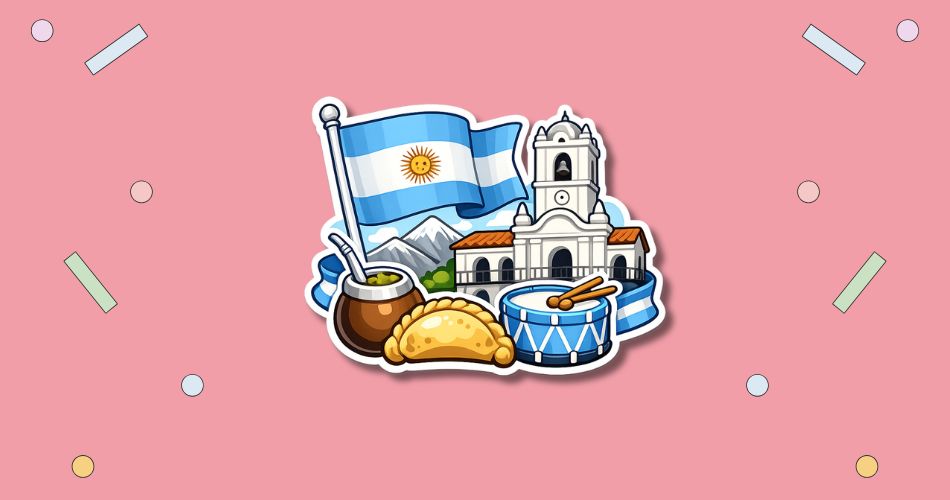
The holiday also keeps civic history visible in everyday life. For many Argentines, May 25 is tied to school lessons, public ceremonies, flags, traditional food, and images of the Cabildo. It gives families, students, and communities a familiar way to revisit the early nineteenth century without reducing it to a simple story. The day also shows how public memory works: a local political crisis in Buenos Aires became part of the national story of Argentina.
- It honors the first patriotic government in Argentine history.
- It connects modern Argentina with the events of 1810.
- It helps explain the country’s road to independence.
- It keeps civic history present in schools and communities.
- It gives public space to national symbols and traditions.
How to Celebrate May Revolution Day
Make it yours
How would you like to spend May Revolution Day?
Tick what fits you, and we will put together ideas made for this day — not for any day.
Display the Argentine flag, attend a civic event, or read a short account of the May Week events that ended on May 25, 1810. In Argentina, the holiday is often associated with public ceremonies, school activities, patriotic music, and historical references to the Cabildo in Buenos Aires. Traditional foods such as locro are also commonly connected with national holidays, giving the day a strong family and community feeling. For readers outside Argentina, the day can be marked by learning about the May Revolution and how it fits into the wider history of Latin American independence movements.
A thoughtful celebration should treat the day as more than a date on a calendar. Look at maps of the old Viceroyalty of the Río de la Plata, compare May 25 with Argentina’s Independence Day on July 9, or learn why Buenos Aires played such a central role in the early political changes. Teachers and parents can use the day to discuss government, citizenship, and the difference between revolution and formal independence. The holiday is especially useful for understanding how national identity is built through memory, symbols, and repeated public observance.
- Read a clear summary of the May Week events.
- Cook or try locro as a traditional patriotic meal.
- Visit or learn about the Cabildo and Plaza de Mayo.
- Watch a documentary or lecture on Argentine independence.
- Discuss why May 25 and July 9 both matter.
May Revolution Day Dates
| Year | Date | Day of the week |
|---|---|---|
| 2026 | May 25 | Monday |
| 2027 next | May 25 | Tuesday |
| 2028 | May 25 | Thursday |
| 2029 | May 25 | Friday |
| 2030 | May 25 | Saturday |
Sorry to hear you didn't enjoy this article...
Paraguay Independence Day
Help us make it better!