




African Liberation Day
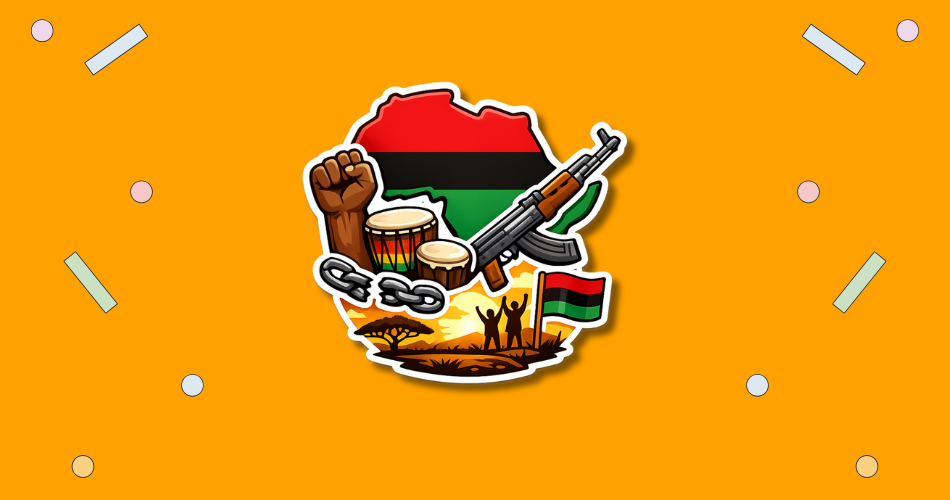
African Liberation Day is observed every year on May 25. In 2027, this date falls on a Tuesday. The observance recognizes the long struggle against colonial rule, apartheid, racial domination, and political exclusion across Africa and the African diaspora. It is closely connected with Pan-African unity, self-determination, and the continuing work of building societies shaped by dignity, sovereignty, and justice. Public programs often include lectures, cultural gatherings, community forums, rallies, and educational events focused on African history and liberation movements. 1
Contents
HT Meter
Does this day matter to you?
Say that it does, and say whether you will be marking it. Both are anonymous to nobody but kind to everybody.
This day matters to me
0 Be the first to say so
Quietly remembered
0 Nobody has said so yet
Notes of remembrance
Join those marking this day to share a word, a memory, or the reason it matters to you.
These notes are kept for the people marking this day. Say you will be marking it to read them and to leave your own.
You have already shared a note here recently.
No notes yet. Yours would be the first.
History of African Liberation Day
African Liberation Day grew out of the Pan-African organizing of the mid-20th century, when newly independent African states and liberation movements were pressing for the end of colonial rule across the continent. In April 1958, leaders and representatives from independent African states met in Accra, Ghana, at the first Conference of Independent African States. That gathering called for an annual African Freedom Day to mark the progress of liberation movements and affirm the determination of African people to free themselves from foreign domination. The date later changed after African leaders met in Addis Ababa, Ethiopia, on May 25, 1963, to establish the Organization of African Unity, now the African Union.
The observance has since been tied to both historical memory and ongoing Pan-African political education. It honors independence struggles while also pointing to work that did not end with the lowering of colonial flags. African Liberation Day is connected with questions of economic justice, cultural identity, regional cooperation, diaspora solidarity, and the unfinished effects of colonialism and apartheid. In many communities, it is not treated as only a date on a calendar but as a space for study, organizing, and renewed commitment to African unity.
Why is African Liberation Day important?
African Liberation Day is important because it keeps attention on the people, movements, and sacrifices behind Africa’s independence struggles. Political freedom was won through organizing, protest, diplomacy, armed resistance, international solidarity, and the persistence of communities that refused permanent domination. The observance helps keep that history visible, especially for younger generations who may know the names of independent countries but not the struggles that made independence possible. It also recognizes that liberation was a continental and global issue, linking Africa with diaspora communities and anti-colonial movements around the world.

South African Liberation Day
The day also matters because the meaning of liberation continues to evolve. Independence did not automatically solve problems created by extraction, divided borders, racial hierarchy, unequal trade, or political instability. African Liberation Day gives educators, organizers, students, artists, and community members a reason to discuss sovereignty in practical terms: land, language, culture, resources, governance, peace, and human rights. Its value lies in connecting memory with responsibility, so that history becomes a guide for action rather than a distant anniversary.
- It honors generations who resisted colonial rule and apartheid.
- It keeps Pan-African history in public conversation.
- It connects African and diaspora communities through shared memory.
- It supports education about independence and self-determination.
- It encourages reflection on justice, unity, and sovereignty.
How to Observe African Liberation Day
Make it yours
How would you like to spend African Liberation Day?
Tick what fits you, and we will put together ideas made for this day — not for any day.
Attend a lecture, community forum, cultural program, or local African Liberation Day event if one is available nearby. Read about the founding of the Organization of African Unity, the independence movements of specific African countries, or the work of leaders, organizers, women’s groups, unions, students, and artists in liberation struggles. Schools, libraries, and community organizations can use the day for film screenings, reading circles, history displays, or discussions about how colonialism shaped modern African politics and borders. The tone should be respectful and grounded, with attention to both achievement and unfinished work.
A personal observance can also begin with learning one country’s independence story in more depth. Study the history of Ghana, Algeria, Kenya, Angola, Mozambique, South Africa, Namibia, or another country whose liberation struggle illustrates a larger part of the continent’s experience. Explore Pan-African literature, music, speeches, and art that emerged from movements for freedom and unity. For diaspora communities, the day can be a moment to strengthen cultural ties, support African-led institutions, and think carefully about solidarity beyond symbolism.
- Read a speech by a major Pan-African leader.
- Learn the independence history of one African country.
- Attend a community discussion or cultural program.
- Watch a documentary about anti-colonial movements.
- Support an African-led educational or cultural organization.
African Liberation Day Dates
| Year | Date | Day of the week |
|---|---|---|
| 2026 | May 25 | Monday |
| 2027 next | May 25 | Tuesday |
| 2028 | May 25 | Thursday |
| 2029 | May 25 | Friday |
| 2030 | May 25 | Saturday |

Sorry to hear you didn't enjoy this article...

Liberation Day in DR Congo
Help us make it better!