


Liberation Day in Lebanon
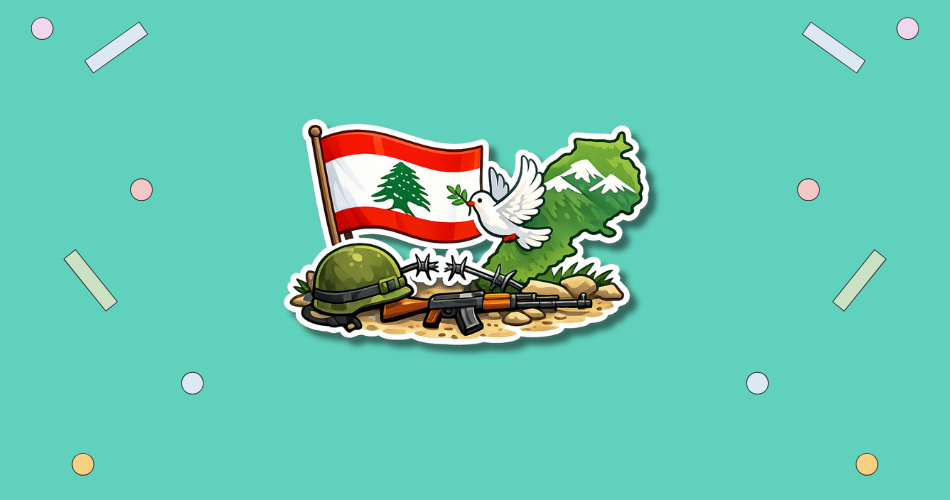
Liberation Day in Lebanon is observed every year on May 25. In 2027, this date falls on a Tuesday. The public holiday commemorates the withdrawal of Israeli forces from southern Lebanon in 2000 and is most often listed as Resistance and Liberation Day or South Liberation Day. It is a national date of remembrance, political reflection, and regional significance, especially for communities in southern Lebanon. The day is connected with the end of a long period of occupation, the return of displaced families, and the continuing importance of sovereignty in Lebanon’s public life. 1
Contents
HT Meter
Does this day matter to you?
Say that it does, and say whether you will be marking it. Both are anonymous to nobody but kind to everybody.
This day matters to me
0 Be the first to say so
Quietly remembered
0 Nobody has said so yet
Notes of remembrance
Join those marking this day to share a word, a memory, or the reason it matters to you.
These notes are kept for the people marking this day. Say you will be marking it to read them and to leave your own.
You have already shared a note here recently.
No notes yet. Yours would be the first.
History of Liberation Day in Lebanon
The background of Liberation Day in Lebanon is tied to the conflict that followed Israel’s 1982 invasion of Lebanon and the years in which Israeli forces remained in parts of the south. Although the main phase of the 1982 Lebanon War ended earlier, Israel maintained a presence in southern Lebanon through a security zone and worked with the South Lebanon Army. On May 25, 2000, Israeli forces withdrew from southern Lebanon, and the date became associated with the end of that occupation. Lebanese authorities recognized the anniversary as a public holiday soon afterward, making it part of the country’s official calendar.
The United Nations later confirmed in June 2000 that Israel had withdrawn its forces from Lebanon in accordance with Security Council resolution 425, while also calling for respect for the withdrawal line identified by the United Nations. The anniversary remains closely connected with the south, where the occupation most directly shaped daily life, displacement, infrastructure, and security. In public memory, the day is not only about a military withdrawal but also about the restoration of access to towns and villages that had lived under the pressure of conflict. Because Lebanon’s modern history includes repeated periods of war, foreign intervention, and internal division, the date carries a serious national meaning.
Why is Liberation Day in Lebanon important?
Liberation Day in Lebanon is important because it marks a clear turning point in the country’s recent history. For many Lebanese, especially in the south, May 25 is connected with the end of checkpoints, military control, separation from homes, and years of uncertainty. It recognizes the experience of civilians who lived through occupation and the families who returned to communities that had been shaped by war. The date also keeps attention on the meaning of national sovereignty and the difficulty of rebuilding after conflict.
Lebanon Independence Day
The day also matters because it shows how public holidays can carry different layers of meaning in a country with a complex political landscape. Some people approach the date through national pride, others through personal memory, and others through the broader debate over security, resistance, reconstruction, and the role of the state. A careful observance of the day leaves room for those different experiences without turning the anniversary into a simple slogan. It is best understood as a serious historical observance rooted in Lebanon’s southern region and in the wider story of the country’s search for stability.
- It marks the Israeli withdrawal from southern Lebanon in 2000.
- It honors communities directly affected by years of occupation.
- It keeps attention on Lebanon’s sovereignty and territorial integrity.
- It gives families a date to remember displacement, return, and recovery.
- It connects national history with the lived experience of southern Lebanon.
How to Observe Liberation Day in Lebanon
Make it yours
How would you like to spend Liberation Day in Lebanon?
Tick what fits you, and we will put together ideas made for this day — not for any day.
Read about the history of southern Lebanon, the 1982 war, the withdrawal in 2000, and the United Nations role in confirming the withdrawal line. A respectful observance can include watching archival reports, reading personal accounts from affected communities, or learning how the occupation shaped daily life in villages near the border. In Lebanon, the public holiday may be marked through speeches, official references, local gatherings, and media coverage. For readers outside Lebanon, the day is a useful point of entry into understanding why the south holds such an important place in Lebanese political memory.
The most thoughtful way to approach the day is to keep the human consequences of conflict at the center. Liberation Day is connected with national sovereignty, but it is also connected with families, homes, roads, schools, and towns that had to recover after years of instability. Teachers, students, and community groups can use the date to discuss how historical events are remembered differently by different communities. The tone should remain respectful, especially because the day is tied to war, displacement, and unresolved regional tensions.
- Read a clear timeline of the Israeli withdrawal from southern Lebanon.
- Learn about the communities most affected in the south.
- Watch interviews or documentaries that include civilian perspectives.
- Discuss the meaning of sovereignty in Lebanon’s modern history.
- Avoid treating the day as a light or casual celebration.
Liberation Day in Lebanon Dates
| Year | Date | Day of the week |
|---|---|---|
| 2026 | May 25 | Monday |
| 2027 next | May 25 | Tuesday |
| 2028 | May 25 | Thursday |
| 2029 | May 25 | Friday |
| 2030 | May 25 | Saturday |
Sorry to hear you didn't enjoy this article...
Liberation Day in Albania
Help us make it better!