



International Day for Countering Hate Speech
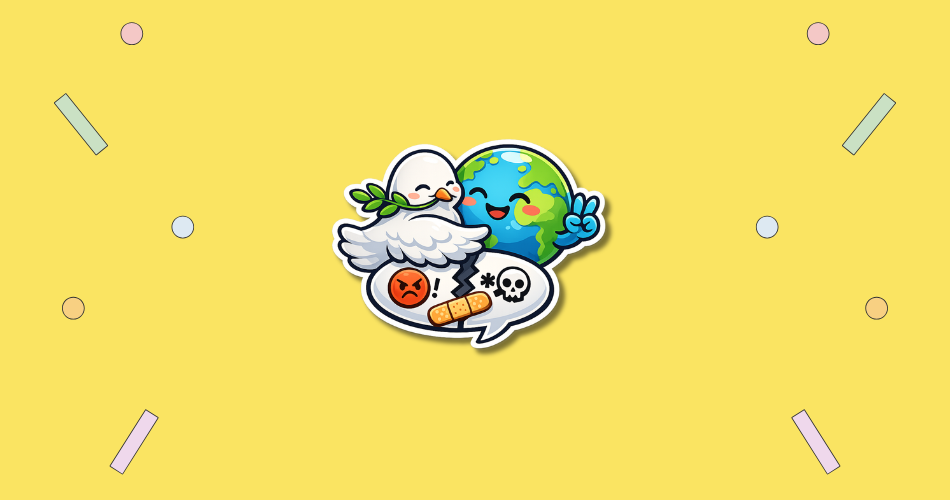
International Day for Countering Hate Speech is observed every year on June 18. In 2027, this date falls on a Friday. This international observance focuses on recognizing, addressing, and countering hate speech while protecting human dignity and freedom of expression. It is a serious awareness day connected with discrimination, social division, online harassment, and the risk that hateful language can escalate into real-world harm. The day asks governments, schools, workplaces, communities, and individuals to choose responsible speech, support targeted groups, and respond to hatred with facts, solidarity, and respect. 1
Contents
HT Meter
Does this day matter to you?
Say that it does, and say whether you will be marking it. Both are anonymous to nobody but kind to everybody.
This day matters to me
0 Be the first to say so
First voices
0 Nobody has said so yet
Notes of remembrance
Join those marking this day to share a word, a memory, or the reason it matters to you.
These notes are kept for the people marking this day. Say you will be marking it to read them and to leave your own.
You have already shared a note here recently.
No notes yet. Yours would be the first.
See also: Human Rights Day, Global Dignity Day, International Day to Combat Islamophobia, International Day for the Elimination of Racial Discrimination
History of International Day for Countering Hate Speech
The United Nations General Assembly proclaimed International Day for Countering Hate Speech through resolution A/RES/75/309, adopted in July 2021. The resolution set June 18 as the annual date and invited member states, United Nations agencies, civil society, academic institutions, the private sector, and individuals to observe the day. The first observance took place on June 18, 2022. Its development followed the United Nations Strategy and Plan of Action on Hate Speech, which was launched in 2019 to guide coordinated action against the roots and effects of hate speech.
International Day for Tolerance
The observance is now connected with education, dialogue, media literacy, responsible digital behavior, and support for people and communities targeted by hateful language. Hate speech can appear in public rhetoric, social media posts, comments, propaganda, harassment, and dehumanizing stereotypes. The day does not treat speech as harmless when it targets people because of identity, religion, ethnicity, nationality, race, gender, sexual orientation, disability, or other personal characteristics. It also emphasizes that effective responses should respect human rights, avoid misuse of censorship, and strengthen open societies rather than weaken them.
Why is International Day for Countering Hate Speech important?
Hate speech can damage people long before it becomes a headline or a legal case. It can isolate students, silence workers, intimidate communities, and make public spaces feel unsafe. Online platforms can spread hostile messages quickly, turning insults, false claims, and dehumanizing language into patterns of harassment. International Day for Countering Hate Speech puts attention on early, practical responses before words normalize discrimination or encourage violence.
The day also matters because countering hate speech is not only the job of courts, governments, or technology companies. Schools can teach media literacy and respectful discussion. Workplaces can set clear standards for communication and harassment. Families and communities can challenge rumors, stereotypes, and casual cruelty before they become accepted habits. A careful response protects both the people targeted by hate and the wider culture of trust that allows diverse communities to live and work together.
- Words can make public spaces safer or more hostile.
- Early action can reduce the spread of harmful stereotypes.
- Media literacy helps people recognize manipulation and scapegoating.
- Support matters when communities are targeted.
- Respectful disagreement is different from dehumanizing language.
How to Observe International Day for Countering Hate Speech
Make it yours
How would you like to spend International Day for Countering Hate Speech?
Tick what fits you, and we will put together ideas made for this day — not for any day.

International Day to Combat Islamophobia
Learn how hate speech works in everyday settings, especially online. Read guidance on the difference between protected expression, harmful rhetoric, harassment, and direct incitement. Review the language used in school, workplace, community, or social media spaces and consider where clearer standards are needed. When responding to hateful content, avoid repeating it unnecessarily, report abuse when appropriate, and focus on accurate information and support for the people affected.
Use the day to strengthen habits that last beyond June 18. A classroom can hold a discussion about stereotypes, propaganda, and digital responsibility. A workplace can review reporting channels and make sure employees know how to respond to harassment. A community group can invite speakers from affected communities or share practical resources on respectful dialogue. Personal action matters too: refusing to forward hateful content, checking claims before sharing them, and speaking up calmly when someone is being targeted can make harmful language less acceptable.
- Learn the signs of dehumanizing language.
- Report abusive posts without amplifying them.
- Share reliable resources on digital literacy.
- Check in on someone who has been targeted.
- Practice firm, respectful responses to hateful remarks.
International Day for Countering Hate Speech Dates
| Year | Date | Day of the week |
|---|---|---|
| 2026 | June 18 | Thursday |
| 2027 next | June 18 | Friday |
| 2028 | June 18 | Sunday |
| 2029 | June 18 | Monday |
| 2030 | June 18 | Tuesday |
Thank you for your feedback!

Fuel the next post!