
Waterloo Day in the UK
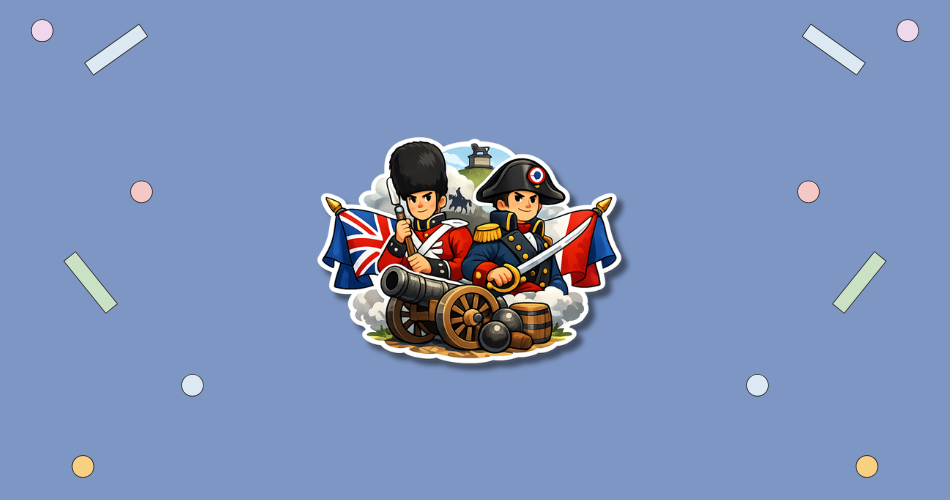
Waterloo Day in the UK is observed every year on June 18. In 2027, this date falls on a Friday. The day marks the anniversary of the Battle of Waterloo, fought in 1815, and is closely connected with British military history. It is especially associated with regimental remembrance, military tradition, and the legacy of the Duke of Wellington’s Anglo-allied army. The tone of the day is historical and respectful, with attention on service, sacrifice, leadership, and the end of the Napoleonic Wars. 1 2 3
Contents
HT Meter
Does this day matter to you?
Say that it does, and say whether you will be marking it. Both are anonymous to nobody but kind to everybody.
This day matters to me
0 Be the first to say so
Quietly remembered
0 Nobody has said so yet
Notes of remembrance
Join those marking this day to share a word, a memory, or the reason it matters to you.
These notes are kept for the people marking this day. Say you will be marking it to read them and to leave your own.
You have already shared a note here recently.
No notes yet. Yours would be the first.
See also: Falkland Islands Liberation Day
History of Waterloo Day in the UK
The Battle of Waterloo was fought on June 18, 1815, near Waterloo in what is now Belgium. Napoleon Bonaparte had returned to power after escaping exile, and European powers formed a coalition to stop his renewed campaign. At Waterloo, a French army under Napoleon faced an Anglo-allied army led by the Duke of Wellington and a Prussian army led by Marshal Gebhard von Blücher. The defeat ended Napoleon’s imperial power and brought a long period of warfare in Europe to a close.

National Winston Churchill Day
Commemoration of the victory began soon after the battle. In Britain, June 18 became a date for public dinners, church bells, military customs, and gatherings of veterans. Wellington’s annual dinner for officers who had served in the 1815 campaign became one of the best-known traditions connected with the anniversary. Today, Waterloo Day is not a general public holiday for most people in the UK, but it remains a meaningful anniversary within parts of the British Army and among people interested in military history.
Why is Waterloo Day in the UK important?
Waterloo Day in the UK matters because it keeps attention on a battle that changed the political direction of Europe. The victory at Waterloo ended Napoleon’s final attempt to regain dominance and helped reshape the balance of power after more than two decades of conflict. For British military tradition, the day also preserves the memory of regiments whose predecessors served in the campaign. It gives context to names, battle honors, museum collections, and ceremonies that might otherwise seem distant from everyday life.
The day also encourages a more careful look at the battle as an allied victory, not only a British one. Wellington’s army included troops from several European states, and the arrival of Blücher’s Prussians was decisive in Napoleon’s defeat. Remembering that wider coalition gives the anniversary educational value beyond national pride. It points to cooperation, endurance, and the high human cost of war.
- It preserves an important date in British military history.
- It honors soldiers who fought in the 1815 campaign.
- It explains why Waterloo remains a familiar historical name.
- It connects regimental traditions with real events.
- It encourages a fuller understanding of allied warfare.
How to Observe Waterloo Day in the UK
Make it yours
How would you like to spend Waterloo Day in the UK?
Tick what fits you, and we will put together ideas made for this day — not for any day.
Armed Forces Day in the UK
Read a clear account of the Battle of Waterloo and look at a map of the battlefield to understand why the ridge at Mont-Saint-Jean, Hougoumont, La Haye Sainte, and the Prussian advance mattered. Visit a military museum, search for Waterloo-related objects in online collections, or learn about a regiment with a historic link to the campaign. A short study session can make the anniversary more than a date on the calendar. It can also help separate the real battle from simplified heroic retellings.
For a more reflective observance, focus on the people involved rather than only the commanders. The battle affected soldiers from Britain, Prussia, France, the Netherlands, Hanover, Nassau, Brunswick, and other parts of Europe. Reading letters, diaries, museum notes, or battlefield accounts can give the day a more human scale. Waterloo Day is best approached with respect for courage and service, while also remembering the losses that came with victory.
- Read about Wellington, Blücher, and Napoleon in 1815.
- Learn why Hougoumont became a key battlefield site.
- Visit a local military or regimental museum.
- Look up British Army regiments linked with Waterloo.
- Share a factual article about the battle’s aftermath.
Waterloo Day in the UK Dates
| Year | Date | Day of the week |
|---|---|---|
| 2026 | June 18 | Thursday |
| 2027 next | June 18 | Friday |
| 2028 | June 18 | Sunday |
| 2029 | June 18 | Monday |
| 2030 | June 18 | Tuesday |