
International Heritage Breeds Day
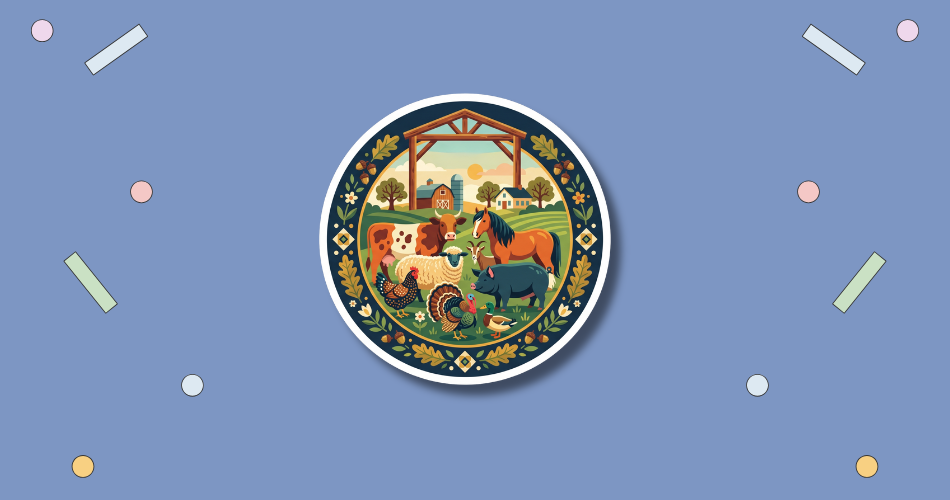
International Heritage Breeds Day is observed on the Saturday of the third full week in May. In 2027, this date falls on May 22. The day focuses on rare and endangered heritage breeds of livestock and poultry, including traditional cattle, sheep, goats, pigs, horses, donkeys, chickens, ducks, geese, and turkeys. It is tied to International Heritage Breeds Week, when farmers, ranchers, educators, museums, and breed stewards raise awareness about conserving animals that carry agricultural history and genetic diversity. 1 2
Contents
See also: National Horse Day, World Donkey Day
HT Meter
Does this day matter to you?
Say that it does, and say whether you will be marking it. Both are anonymous to nobody but kind to everybody.
This day matters to me
0 Be the first to say so
Quietly remembered
0 Nobody has said so yet
Notes of remembrance
Join those marking this day to share a word, a memory, or the reason it matters to you.
These notes are kept for the people marking this day. Say you will be marking it to read them and to leave your own.
You have already shared a note here recently.
No notes yet. Yours would be the first.
History of International Heritage Breeds Day
The exact origin of International Heritage Breeds Day as a separate observance is not well documented in widely available sources. The Livestock Conservancy describes International Heritage Breeds Week as an annual awareness campaign held during the third full week in May, with International Heritage Breeds Day taking place on the Saturday that closes the week.

Heritage Day
Today, the observance is connected with the conservation of endangered heritage livestock and poultry. The Livestock Conservancy promotes the week as a chance for farms, ranches, venues, and communities to highlight rare agricultural breeds and explain why their survival matters.
Why is International Heritage Breeds Day important?
Heritage breeds represent more than unusual farm animals. They carry traits shaped by older farming systems, regional climates, local foodways, and generations of practical animal husbandry. When these breeds decline, agriculture loses genetic variety that may be useful for hardiness, fertility, foraging ability, disease resistance, and adaptation to changing conditions.
The day also connects conservation with culture. Historic breeds help museums, small farms, educators, and local communities tell a more complete story of farming life before highly standardized modern production. Preserving them keeps living links to rural history, traditional skills, and diverse agricultural landscapes.
- Rare breeds need active breeders to survive.
- Genetic diversity gives agriculture more options.
- Heritage animals connect farms with local history.
- Small farms often help maintain older bloodlines.
- Public awareness can support conservation work.
How to Observe International Heritage Breeds Day
Make it yours
How would you like to spend International Heritage Breeds Day?
Tick what fits you, and we will put together ideas made for this day — not for any day.

National Farm Animals Day
Visit a farm, living history site, county fair, breed association page, or conservation group to learn about rare livestock and poultry. Look for local talks, farm tours, workshops, or online posts from breeders who care for endangered heritage animals. Buying from responsible heritage-breed producers, when appropriate, can also support the farmers doing the daily work of keeping breeds viable.
Teachers, families, and community groups can use the day to compare modern commercial breeds with older farm breeds and discuss why biodiversity matters in agriculture. A simple classroom activity, library display, farm newsletter, or social media post can introduce people to breeds they may never have heard of.
- Learn one rare breed in your region.
- Visit a farm that raises heritage animals.
- Share a breeder’s conservation story.
- Support a breed association or rescue effort.
- Ask local museums about historic livestock.
International Heritage Breeds Day Dates
| Year | Date | Day of the week |
|---|---|---|
| 2026 | May 23 | Saturday |
| 2027 next | May 22 | Saturday |
| 2028 | May 27 | Saturday |
| 2029 | May 26 | Saturday |
| 2030 | May 25 | Saturday |