




World Fish Migration Day
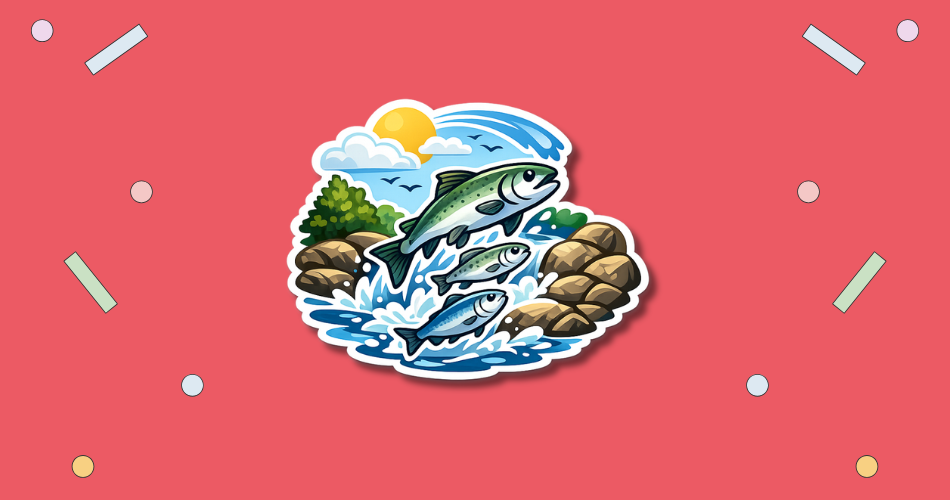
World Fish Migration Day is observed every two years on a campaign-selected date. In 2027, this date falls on May 23. It is a global awareness day focused on migratory fish, free-flowing rivers, and the routes fish need to feed, reproduce, and complete their life cycles. The observance brings attention to river barriers, habitat loss, pollution, and other pressures that can stop fish from reaching the places they depend on. It is marked through educational events, river walks, restoration activities, art projects, and local programs that connect people with rivers and freshwater life. 1
Contents
HT Meter
Does this day matter to you?
Say that it does, and say whether you will be marking it. Both are anonymous to nobody but kind to everybody.
This day matters to me
0 Be the first to say so
Quietly remembered
0 Nobody has said so yet
Notes of remembrance
Join those marking this day to share a word, a memory, or the reason it matters to you.
These notes are kept for the people marking this day. Say you will be marking it to read them and to leave your own.
You have already shared a note here recently.
No notes yet. Yours would be the first.
History of World Fish Migration Day
World Fish Migration Day grew from international work to raise public awareness about fish passage and connected rivers. The first global World Fish Migration Day was held in 2014, after earlier regional efforts showed that public events could help people understand how dams, culverts, weirs, and other barriers affect fish movement. From 2014 through 2024, the World Fish Migration Foundation coordinated the observance, and from 2025 onward the event has continued under VENAE in the Netherlands, with Herman Wanningen connected to its founding and ongoing organization.
The day is now understood as a worldwide campaign rather than a fixed annual holiday. It brings together conservation groups, fisheries experts, educators, agencies, communities, and river advocates around the shared message of connecting fish, rivers, and people. Its focus is practical: migratory fish need open routes, healthy habitats, and public support for river restoration. The 2026 observance is connected with the theme “We Are River People,” emphasizing the human relationship with rivers as well as the needs of fish.
Why is World Fish Migration Day important?
Migratory fish are part of river systems, coastal waters, food webs, and local economies. Species such as salmon, shad, eels, sturgeon, lamprey, and many others move between habitats as part of their natural life cycles. When a river is blocked or degraded, fish may be unable to reach spawning grounds, feeding areas, or shelter. Protecting migration routes can also improve water quality, restore habitat, and support healthier rivers for wildlife and people.

World Fisheries Day
The day also matters because many underwater migrations are easy to overlook. A river may look calm at the surface while fish are trying to move through currents, around structures, or across long distances. World Fish Migration Day gives communities a way to learn what is happening below the waterline and why river connectivity matters. It also points toward solutions, including barrier removal, better fish passage design, habitat restoration, and stronger protection for freshwater ecosystems.
- Migratory fish need connected rivers to complete their life cycles.
- Healthy fish populations support food webs and river biodiversity.
- Open waterways can benefit communities, wildlife, and local economies.
- Public awareness helps turn river restoration into visible action.
- The day makes underwater migration easier for people to understand.
How to Observe World Fish Migration Day
Make it yours
How would you like to spend World Fish Migration Day?
Tick what fits you, and we will put together ideas made for this day — not for any day.
Join a local river event, visit a fish passage site, or look for programs hosted by conservation groups, aquariums, schools, parks, or fisheries agencies. A guided walk, stream cleanup, art activity, or public talk can make the issue easier to understand than reading about it from a distance. Families and classrooms can study a migratory fish species and trace the route it takes through rivers, estuaries, or oceans. Even a short visit to a nearby stream can start a useful conversation about how water, wildlife, and communities are connected.
For a more hands-on observance, learn whether local rivers have barriers that affect fish movement. Some barriers are large dams, while others are smaller culverts or road crossings that still disrupt habitat. Supporting credible river restoration projects, sharing educational materials, or attending public meetings about watershed health can help turn awareness into action. The day is especially useful when it leads people to notice the rivers closest to home and ask how they can be made healthier.
- Attend a World Fish Migration Day event near a river.
- Learn about one migratory fish species in your region.
- Visit a fish ladder, hatchery, stream, or restoration site.
- Share educational resources with a classroom or community group.
- Support local work that reconnects rivers and removes barriers.
World Fish Migration Day Dates
| Year | Date | Day of the week |
|---|---|---|
| 2026 | May 23 | Saturday |
| 2027 | May 23 | Saturday |
| 2028 | May 23 | Saturday |
| 2029 | May 23 | Saturday |
| 2030 | May 23 | Saturday |

Sorry to hear you didn't enjoy this article...
World Migratory Bird Day
Help us make it better!

Cook it
Make something for World Fish Migration Day
Tell us what you feel like making and what you have to work with, and we will write one recipe for it.