
International Nystagmus Awareness Day
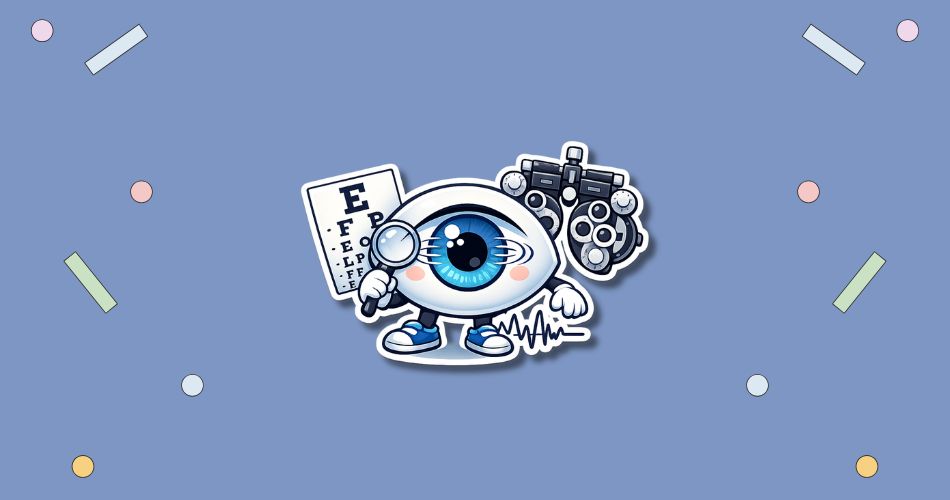
International Nystagmus Awareness Day is observed every year on June 20. In 2027, this date falls on a Sunday. This awareness day focuses on nystagmus, a condition that causes repeated, uncontrolled eye movements and can affect vision, balance, reading, mobility, and daily confidence. It is a compassionate observance centered on public understanding, better support, and access to reliable information for people living with the condition. Families, schools, workplaces, eye care professionals, and supporters often use the day to share resources, learn about symptoms, and make nystagmus easier to recognize and discuss. 1 2 3
Contents
See also: National Mechanical Dry Eye Day, World Keratoconus Day
HT Meter
Does this day matter to you?
Say that it does, and say whether you will be marking it. Both are anonymous to nobody but kind to everybody.
This day matters to me
0 Be the first to say so
Quietly remembered
0 Nobody has said so yet
Notes of remembrance
Join those marking this day to share a word, a memory, or the reason it matters to you.
These notes are kept for the people marking this day. Say you will be marking it to read them and to leave your own.
You have already shared a note here recently.
No notes yet. Yours would be the first.
History of International Nystagmus Awareness Day
International Nystagmus Awareness Day is closely associated with the Nystagmus Network, a UK-based charity that supports people living with nystagmus, funds research, and raises public awareness. The observance is identified as both a national and international awareness day held on June 20 each year. In 2020, the organization marked Nystagmus Awareness Day on June 20 with campaigns, personal stories, educational materials, and fundraising activities designed to make the condition better understood. The charity has described the day as a way to help ensure that the nystagmus community is visible and heard.
International FND Awareness Day
The condition itself has a longer medical and human history than the modern awareness day. Nystagmus can be present from infancy or develop later in life, and it may appear as side-to-side, up-and-down, or circular eye movement. For many people, the condition affects more than visual sharpness; it can influence depth perception, reading, balance, and comfort in unfamiliar settings. The modern observance gives a clear public focus to those everyday realities without reducing people to their diagnosis.
Why is International Nystagmus Awareness Day important?
International Nystagmus Awareness Day matters because many people are unfamiliar with the condition until a child, family member, student, patient, or coworker receives a diagnosis. Better awareness can reduce misunderstanding, especially when eye movements are visible but the person’s needs are not immediately obvious. Children with nystagmus may need appropriate support in school, while adults may need practical adjustments in work, travel, or daily routines. Clear information helps people ask better questions and respond with patience rather than confusion.
The day also points toward the need for timely eye care, research, and community support. Nystagmus is not the same for everyone, and causes, symptoms, and treatment options can vary widely. Some people benefit from glasses, contact lenses, medications, surgery, vision aids, or treatment of an underlying condition, while others mainly need long-term strategies and accommodations. Awareness helps connect individuals and families with professionals, charities, and peer communities that understand the challenges of living with involuntary eye movement.
- It helps people recognize nystagmus more accurately.
- It supports families after a new diagnosis.
- It encourages schools to take visual needs seriously.
- It promotes respectful conversations about visible differences.
- It keeps attention on research and better care.
How to Observe International Nystagmus Awareness Day
Make it yours
How would you like to spend International Nystagmus Day?
Tick what fits you, and we will put together ideas made for this day — not for any day.
Learn the basic facts about nystagmus and share them in a simple, accurate way with someone who may not know the condition exists. Parents and teachers can review classroom needs such as seating, print size, lighting, screen access, and extra time for visually demanding tasks. Workplaces can consider practical adjustments that help employees with visual impairment do their jobs safely and confidently. Anyone experiencing new eye movement, dizziness, shaky vision, or balance problems should seek guidance from a qualified health professional.
Personal stories can be especially useful when they are shared with care and permission. People living with nystagmus may choose to explain what helps them read, navigate, make eye contact, or manage fatigue, but no one should feel pressured to disclose more than they want. Supporters can donate to reputable charities, take part in awareness campaigns, or help distribute educational materials. The strongest observance is often practical: listening to people with lived experience and making everyday spaces easier to use.
- Read a trusted overview of nystagmus.
- Share an awareness post using accurate language.
- Ask a school about visual access needs.
- Support a charity focused on nystagmus.
- Listen to someone’s lived experience without correcting it.
International Nystagmus Awareness Day Dates
| Year | Date | Day of the week |
|---|---|---|
| 2026 | June 20 | Saturday |
| 2027 next | June 20 | Sunday |
| 2028 | June 20 | Tuesday |
| 2029 | June 20 | Wednesday |
| 2030 | June 20 | Thursday |
Thank you for your feedback!
Fuel the next post!