

International Sauvignon Blanc Day
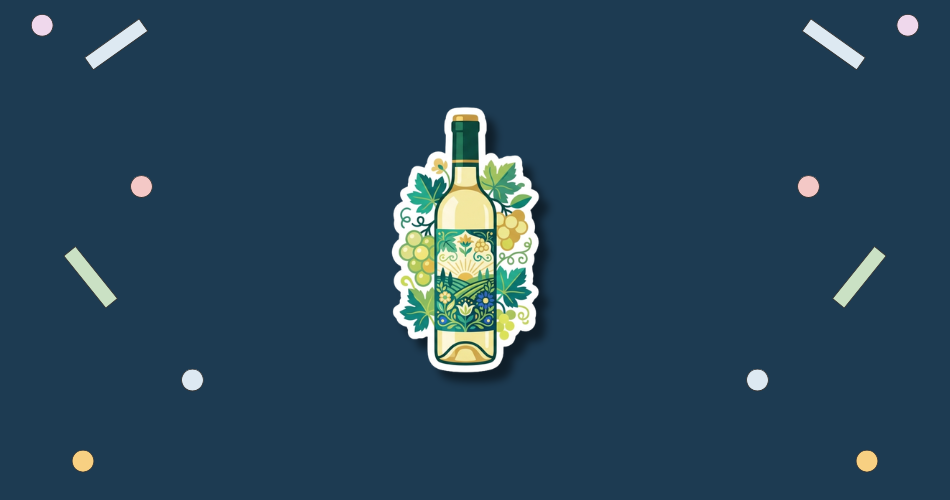
International Sauvignon Blanc Day is celebrated annually on the first Friday in May. In 2026, it falls on May 1. This global wine holiday honors one of the world’s most popular, widely planted, and recognizable white wine grape varieties, renowned for its crisp acidity, expressive aromatics, and refreshing citrus and herbaceous flavor profiles. Originating in the Bordeaux and Loire Valley regions of France, the Sauvignon Blanc grape has successfully traversed the globe, finding iconic secondary homes in diverse terroirs such as the renowned Marlborough region of New Zealand, as well as California, South Africa, Australia, and Chile.
Contents
See also: National White Wine Day, National Wine and Cheese Day, Cabernet Franc Day, Malbec World Day, National Red Wine Day, National Drink Wine Day
HT Meter
Does this day matter to you?
Tap the meter if it does, and say whether you will be celebrating — that is what opens the wishes from everybody else who will be.
This day matters to me
0 Be the first to say so
Just getting started
0 Let others know you’re in.
Wishes, greetings and stories
Join the celebration to share a wish, a greeting, or how this day goes in your house.
These are kept for the people celebrating this day. Say you will be celebrating to read them and to add your own.
You have already shared something here recently.
Nothing here yet. Yours would be the first.
History of International Sauvignon Blanc Day
The origins of International Sauvignon Blanc Day can be traced back to the rise of social media and digital marketing in the wine industry during the late 2000s and early 2010s. It was initially spearheaded as an online initiative in 2010 by wine communicators in California, notably the St. Supéry Estate in Napa Valley, as a way to engage with a global audience of wine lovers through shared virtual tastings and Twitter conversations using specific hashtags like #SauvBlancDay.
International Cabernet Sauvignon Day
Over time, the celebration was enthusiastically embraced by major international wine organizations, particularly New Zealand Winegrowers, who recognized the holiday as a perfect platform to promote Marlborough Sauvignon Blanc—a bold, highly aromatic style that revolutionized the country’s agricultural export economy in the 1980s and 1990s. Today, it has evolved from a grassroots social media trend into a globally recognized event, celebrated with official masterclasses, vineyard tours, and restaurant promotions across multiple continents.
Why is International Sauvignon Blanc Day important?
This holiday is important because it highlights the concept of terroir in winemaking and the profound influence of geography on agricultural products. Sauvignon Blanc is considered a highly transparent grape, meaning its flavor profile is heavily dictated by where it is planted and how it is managed in the vineyard. In cooler climates like the Loire Valley in France, it produces lean, mineral-driven wines with notes of wet stone, flint, and freshly cut grass. In contrast, the sunny, maritime climate of New Zealand imparts explosive tropical fruit flavors such as passionfruit, guava, and jalapeño. Celebrating this day encourages consumers to explore these regional differences and deepens their understanding of agricultural science and sensory analysis.
Furthermore, the holiday supports the global wine trade and local hospitality sectors. Wineries, independent merchants, and restaurants often rely on specific varietal days to boost sales, introduce new vintages, and educate the public. By participating in the day, consumers directly support the farmers, winemakers, and small business owners who work year-round to bring high-quality agricultural products to the table.
- It educates consumers on the importance of climate and soil in wine production.
- The day boosts sales for independent wine retailers and local hospitality venues.
- It highlights the versatility of white wine as a pairing for diverse global cuisines.
- The holiday fosters a global online community of enthusiasts sharing tasting notes.
- It recognizes the historical impact of French and New Zealand viticultural innovations.
How to Celebrate International Sauvignon Blanc Day
Make it yours
How would you like to spend International Sauvignon Blanc Day?
Tick what fits you, and we will put together ideas made for this day — not for any day.
International Cabernet Day
To celebrate International Sauvignon Blanc Day, you can start by purchasing a bottle of Sauvignon Blanc from a region you have never tried before to expand your palate. Hosting a blind tasting with friends, comparing a classic French Sancerre against a vibrant New Zealand bottle or a subtly oaked Californian Fumé Blanc, is a fun and educational way to mark the occasion. When serving the wine, ensure it is properly chilled to around 45–50°F (7–10°C) to maximize its crisp and refreshing qualities.
Because of its high acidity, Sauvignon Blanc is an exceptionally food-friendly wine. You can celebrate by preparing a meal designed to complement its flavor profile. Pair the wine with dishes that highlight its herbaceous notes, such as a creamy goat cheese tart, freshly shucked oysters, spring vegetables, or recipes utilizing fresh herbs like dill, cilantro, or basil.
- Host a side-by-side tasting comparing Old World and New World Sauvignon Blanc styles.
- Pair the wine with fresh, vibrant foods like a classic goat cheese salad or grilled asparagus.
- Support local wine merchants by asking for their personal recommendations on unique producers.
- Share your tasting notes and photos on social media using the official hashtag #SauvBlancDay.
- Explore a new wine region by choosing a bottle from South Africa, Italy, or Chile instead of your usual go-to.
The observance provides an excellent opportunity for wine enthusiasts, sommeliers, and casual drinkers alike to recognize the intricate viticultural practices and winemaking techniques that allow this versatile grape to express the unique characteristics of the soil and climate in which it is grown. By raising a glass on this day, participants not only celebrate the vibrant and zesty tasting notes of the wine itself but also acknowledge the profound impact that Sauvignon Blanc has had on the modern international wine trade, shaping global palates and encouraging a deeper appreciation for diverse and sustainably produced white wines.
International Sauvignon Blanc Day Dates Table
| Year | Date | Day of the week |
|---|---|---|
| 2026 | May 1 | Friday |
| 2027 next | May 7 | Friday |
| 2028 | May 5 | Friday |
| 2029 | May 4 | Friday |
| 2030 | May 3 | Friday |