


Lei Day
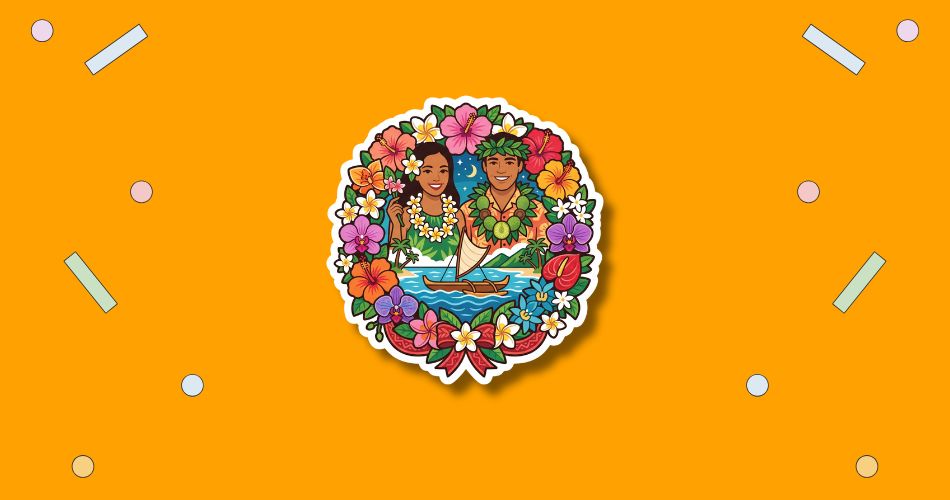
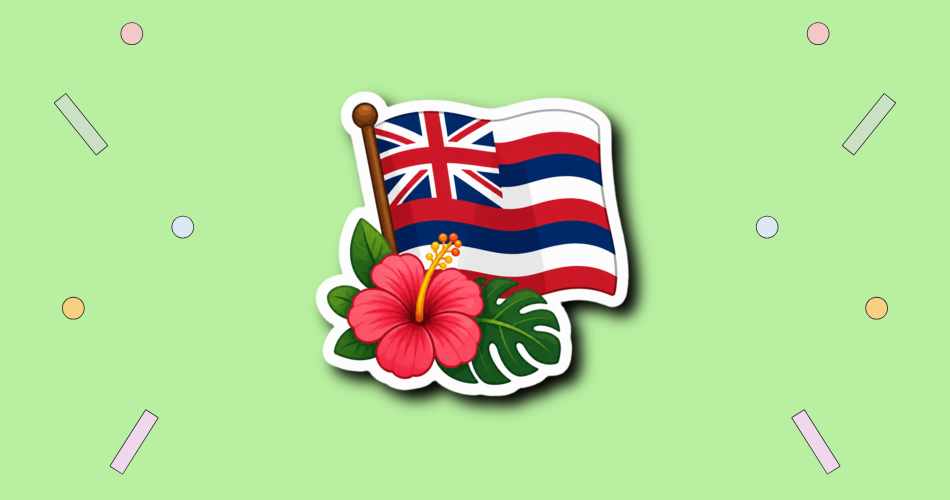
Lei Day is observed on May 1. In 2027, this date falls on a Saturday. This day is a state-wide celebration in Hawaii that honors the aloha spirit and the traditional Hawaiian craft of lei-making. While May Day is celebrated globally as a labor or spring festival, Hawaii specifically dedicates the day to the fragrant garlands of flowers, leaves, and shells that symbolize love, honor, and greeting in Polynesian culture.
See also: Prince Kuhio Day, Spring Fairy Fun Day, National Play Your Ukulele Day
HT Meter
Does this day matter to you?
Tap the meter if it does, and say whether you will be celebrating — that is what opens the wishes from everybody else who will be.
This day matters to me
0 Be the first to say so
Just getting started
0 Let others know you’re in.
Wishes, greetings and stories
Join the celebration to share a wish, a greeting, or how this day goes in your house.
These are kept for the people celebrating this day. Say you will be celebrating to read them and to add your own.
You have already shared something here recently.
Nothing here yet. Yours would be the first.
History of Lei Day
The concept of Lei Day was proposed in 1927 by Don Blanding, a poet and writer for the Honolulu Star-Bulletin. Blanding believed that the custom of making and wearing lei deserved its own official day of recognition. His colleague, Grace Tower Warren, suggested that the celebration coincide with May Day and coined the famous phrase, “May Day is Lei Day.” The first official celebration took place in 1928 at Bank of Hawaii in downtown Honolulu, where participants arrived wearing colorful garlands and competed in the first lei-making contests.
King Kamehameha Day
In 1929, Governor Wallace R. Farrington signed a proclamation making the observance official throughout the territory. The festivities quickly expanded from simple office gatherings to large-scale public pageants and school programs across all the islands. Over the decades, the City and County of Honolulu Department of Parks and Recreation took over the coordination of the main event, moving it to Kapiolani Park in Waikiki. Today, it stands as one of Hawaii’s most beloved cultural traditions, having been observed nearly every year since its inception.
Why is Lei Day important?
The lei is more than a decorative accessory; it is a physical manifestation of the aloha spirit. For Native Hawaiians, the act of gathering materials and weaving a lei involves “mana,” or spiritual power, which is passed from the creator to the wearer. This day is important because it preserves ancient botanical knowledge and traditional weaving techniques that might otherwise be lost. It serves as a reminder of the deep connection between the people of Hawaii and the natural environment of the islands.
Furthermore, Lei Day strengthens community bonds by encouraging the exchange of lei between friends, family members, and even strangers. Each of the eight major Hawaiian islands is represented by a specific color and flower, and the annual Lei Court selection honors individuals who serve as cultural ambassadors. By celebrating these distinctions, the holiday promotes a sense of shared identity and pride. It provides a platform for both master crafters and young children to showcase their skills, ensuring that the artistry of lei-making continues for future generations.
- The lei represents an unspoken expression of affection, hospitality, and respect.
- Each island has a unique signature flower, such as the Ilima for Oahu and Lokelani for Maui.
- The holiday supports local agriculture and the floriculture industry throughout the state.
- Public contests highlight different methods of construction, including braiding, twisting, and sewing.
- The event fosters a greater understanding of Native Hawaiian history among residents and visitors.
How to Celebrate Lei Day
Make it yours
How would you like to spend Lei Day?
Tick what fits you, and we will put together ideas made for this day — not for any day.
National Hawaii Day
The most traditional way to celebrate is to make, give, or wear a lei. Many people attend the large festival at Kapiolani Park, which features the world’s largest lei contest, hula performances, and live music by the Royal Hawaiian Band. Visitors can watch expert lei-makers at work and learn about the different styles of garlands, such as the lei poʻo worn on the head. Schools across Hawaii also hold special May Day pageants where students perform traditional dances and elect their own Lei Day royalty.
On the day following the main celebration, it is a custom for the Lei Court to visit Mauna ‘Ala, the Royal Mausoleum, and Kawaiahao Church. During these visits, the award-winning lei from the previous day’s contest are placed on the tombs of Hawaii’s royalty (aliʻi) as a gesture of respect. Individuals can participate at home by picking fresh blossoms from their gardens to create simple garlands for their neighbors or coworkers, spreading the spirit of aloha through a tangible gift of nature.
- Wear a fresh flower or leaf lei to work, school, or social gatherings.
- Visit a local botanical garden or park to see lei-making demonstrations.
- Attend a hula performance to see how lei are integrated into traditional dance.
- Gift a handmade lei to someone to express gratitude or welcome.
- Learn the “May Day is Lei Day in Hawaii” song, which is played at most celebrations.
Lei Day Dates Table
| Year | Date | Day of the week |
|---|---|---|
| 2026 | May 1 | Friday |
| 2027 next | May 1 | Saturday |
| 2028 | May 1 | Monday |
| 2029 | May 1 | Tuesday |
| 2030 | May 1 | Wednesday |