
National Black Women’s Equal Pay Day
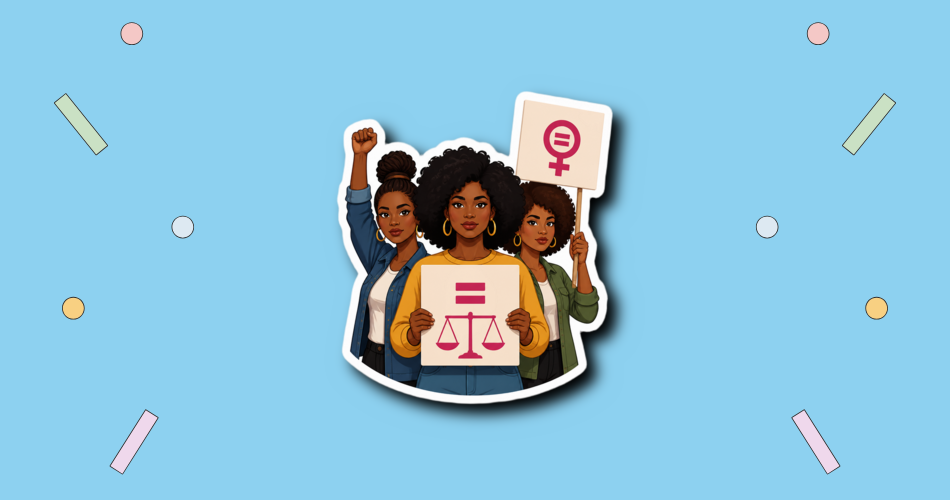
National Black Women's Equal Pay Day is observed annually on July 21. In 2027, this date falls on a Wednesday. This day draws attention to the persistent wage gap that Black women face compared to their white male counterparts and calls for urgent action to achieve pay equity.
Contents
HT Meter
Does this day matter to you?
Tap the meter if it does, and say whether you will be celebrating — that is what opens the wishes from everybody else who will be.
This day matters to me
0 Be the first to say so
Just getting started
0 Let others know you’re in.
Wishes, greetings and stories
Join the celebration to share a wish, a greeting, or how this day goes in your house.
These are kept for the people celebrating this day. Say you will be celebrating to read them and to add your own.
You have already shared something here recently.
Nothing here yet. Yours would be the first.
History of National Black Women's Equal Pay Day
National Black Women's Equal Pay Day is part of a broader Equal Pay Day calendar that highlights the wage disparities faced by different groups of women. The date is chosen to symbolize how far into the year Black women must work to earn what white men earned in the previous year. Organizations such as Equal Pay Today, the National Women's Law Center, and the American Association of University Women have long championed this day as a tool for advocacy and awareness.
For 2026, Black Women's Equal Pay Day falls on July 21, reflecting the most recent data showing that Black women working full-time, year-round earn just 65 cents for every dollar paid to white, non-Hispanic men. The gap widens to 63 cents when part-time and part-year workers are included. These figures underscore the compounding effects of racial and gender discrimination in the workplace.
Why is National Black Women's Equal Pay Day important?
The wage gap is not just a number—it represents real economic hardship. If the gap were eliminated, a typical Black woman would have enough money to cover thirty months of food, twenty-three months of child care, or twelve months of mortgage payments. The disparity limits wealth building, homeownership, and retirement security for Black women and their families.

Equal Pay Day
Systemic discrimination, occupational segregation, and lack of access to higher-paying jobs all contribute to the gap. Black women are overrepresented in low-wage roles and face barriers to advancement. The current administration's rollback of data collection on workforce demographics and attacks on diversity, equity, and inclusion programs threaten to worsen the problem. Recognizing this day is a critical step toward demanding policy solutions.
- Black women full-time, year-round workers earn 65 cents on the dollar compared to white men.
- The wage gap for all earners, including part-time workers, is 63 cents.
- Over a lifetime, the gap can cost Black women hundreds of thousands of dollars in lost earnings.
- Policy changes, such as the Working Women's Bill of Rights, are needed to enforce pay transparency and anti-discrimination protections.
- The Equal Employment Opportunity Commission must continue collecting EEO-1 data to hold employers accountable.
How to Celebrate National Black Women's Equal Pay Day
Make it yours
How would you like to spend National Black Women's Equal Pay Day?
Tick what fits you, and we will put together ideas made for this day — not for any day.
Raise awareness by sharing the facts about the wage gap on social media using the official Black Women's Equal Pay Day toolkit. Wear red or black to symbolize being “in the red” on pay equity. Amplify the voices of Black women and support organizations that fight for equal pay, such as Equal Pay Today and the National Partnership for Women & Families.
Take action by contacting your elected representatives and urging them to pass legislation that closes the wage gap. Support Black women-owned businesses and advocate for workplace policies that promote pay transparency and equity. Use this day as a catalyst for ongoing education and community organizing.
- Use the social media toolkit from Equal Rights Advocates to share graphics and key statistics.
- Contact your members of Congress and ask them to support the Working Women's Bill of Rights.
- Donate to or volunteer with organizations that work on pay equity for Black women.
- Host a workplace discussion or panel on the wage gap and how to address it.
- Commit to learning more about the intersection of race and gender in economic justice.
National Black Women's Equal Pay Day Dates
| Year | Date | Day of the week |
|---|---|---|
| 2026 | July 21 | Tuesday |
| 2027 next | July 21 | Wednesday |
| 2028 | July 21 | Friday |
| 2029 | July 21 | Saturday |
| 2030 | July 21 | Sunday |
Sorry to hear you didn't enjoy this article...
Native Women’s Equal Pay Day
Help us make it better!