




National English Muffin Day

National English Muffin Day is observed annually on April 23. In 2027, this date falls on a Friday. The holiday celebrates the unique, crannied sourdough bread that has become a staple of breakfast menus across the United States. It highlights the culinary versatility of the muffin, which serves as the essential base for classic dishes like Eggs Benedict and breakfast sandwiches.
Contents
See also: National Muffin Day, National Oatmeal Muffin Day, National Egg McMuffin Day, National Lemon Cupcake Day, National Vanilla Cupcake Day, National Chocolate Cupcake Day
HT Meter
Does this day matter to you?
Tap the meter if it does, and say whether you will be celebrating — that is what opens the wishes from everybody else who will be.
This day matters to me
0 Be the first to say so
Just getting started
0 Let others know you’re in.
Wishes, greetings and stories
Join the celebration to share a wish, a greeting, or how this day goes in your house.
These are kept for the people celebrating this day. Say you will be celebrating to read them and to add your own.
You have already shared something here recently.
Nothing here yet. Yours would be the first.
History of National English Muffin Day
The English muffin as it is known in America was popularized by Samuel Bath Thomas, a British immigrant who opened a bakery in New York City in 1880. Thomas created a “toaster crumpet” that was thinner and more porous than the traditional English crumpet. By using a secret process that avoided the use of a grill, he created a bread filled with “nooks and crannies,” which were perfect for trapping butter and jam. These were originally sold to hotels and fine restaurants before becoming a grocery store mainstay.

National Muffin Day
While the name suggests a direct British origin, the “English muffin” is largely an American term used to distinguish Thomas’s creation from the sweeter, cake-like American muffins. In the United Kingdom, they are simply referred to as “muffins” or “breakfast muffins.” The holiday honors the 19th-century entrepreneurial spirit of Samuel Thomas and the specific baking techniques that have kept the original recipe a proprietary secret for over 140 years.
Why is National English Muffin Day important?
The day recognizes a unique contribution to the American culinary landscape that bridges the gap between traditional bread and specialty pastries. The structural integrity of the English muffin makes it an ideal vehicle for a variety of toppings, from savory eggs and hollandaise sauce to sweet honey and marmalade. The holiday encourages consumers to appreciate the specific texture and fermentation process that gives the muffin its signature tangy flavor and chewy consistency.
From a commercial perspective, the day provides a significant boost for bakeries and breakfast-focused eateries. It serves as a reminder of the importance of breakfast in daily nutrition and the role that convenient, toaster-ready breads play in modern morning routines. By observing this day, food enthusiasts celebrate the longevity of a simple product that has survived the transition from small neighborhood bakeries to global industrial production while maintaining its original appeal.
- Samuel Bath Thomas invented the American version in 1880
- The “nooks and crannies” are designed to hold melted butter and toppings
- English muffins are a healthier alternative to many other breakfast breads
- The holiday promotes the use of the muffin in both sweet and savory recipes
- It highlights the historical distinction between crumpets and muffins
How to Celebrate National English Muffin Day
Make it yours
How would you like to spend National English Muffin Day?
Tick what fits you, and we will put together ideas made for this day — not for any day.

National Oatmeal Muffin Day
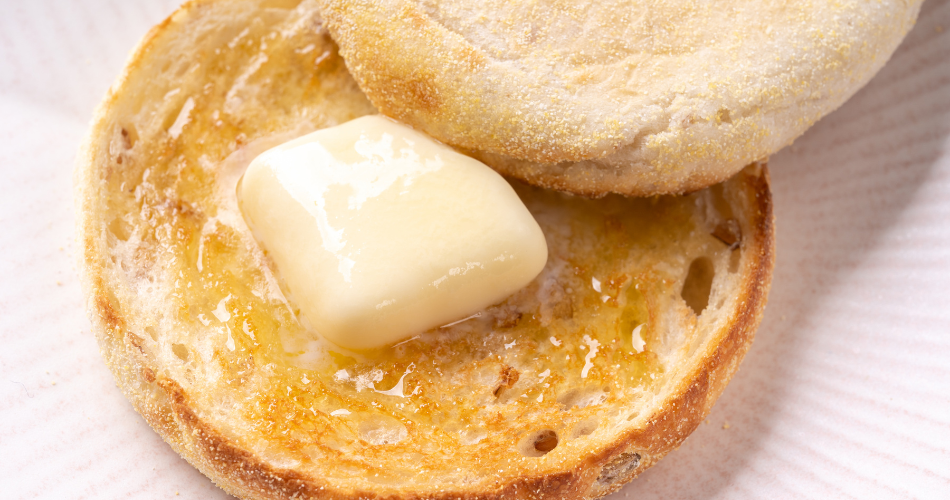
Observing this day is best done by preparing a classic breakfast or brunch at home. The most traditional way to eat an English muffin is to split it by hand or with a fork—rather than a knife—to preserve the internal texture of the “nooks and crannies.” Toasting the halves until the edges are crispy and topping them with salted butter is the simplest way to honor the holiday. For a more elaborate meal, making Eggs Benedict with poached eggs and Canadian bacon offers a professional-level culinary experience.
Sharing creative recipes on social media is another popular way to participate. Many people use the day to experiment with non-traditional toppings like avocado, smoked salmon, or even pizza sauce and mozzarella for “muffin pizzas.” Visiting a local cafe that specializes in breakfast sandwiches or purchasing a pack of artisanal sourdough muffins from a farmers’ market supports small-scale bakers. Regardless of the topping, the focus is on enjoying the unique, toasted crunch that defines the bread.
- Split your muffin with a fork to maintain the internal texture
- Toast until golden brown and apply butter while the bread is still hot
- Prepare a classic Eggs Benedict for a festive holiday brunch
- Create “mini-pizzas” using English muffin halves as the crust
- Share your favorite topping combinations on social media using the holiday hashtag
Homemade English Muffins Recipe
Ingredients
- Warm milk: 1 cup (approx. 240ml)
- Active dry yeast: 2 ¼ tsp (1 packet)
- Honey or Sugar: 1 tbsp
- Melted butter: 2 tbsp
- All-purpose flour: 3 cups (plus extra for dusting)
- Salt: 1 tsp
- Cornmeal: For dusting the pan (essential for that classic texture!)

National Egg McMuffin Day
Instructions
- Activate the Yeast
In a large bowl, combine the warm milk and honey. Sprinkle the yeast on top and let it sit for about 5–10 minutes until it becomes foamy. - Mix the Dough
Stir in the melted butter. Gradually add the flour and salt. Mix until a soft, slightly sticky dough forms. - Turn the dough onto a floured surface and knead for about 5 minutes until smooth and elastic.
- First Rise
Place the dough in a lightly oiled bowl, cover it with a damp cloth, and let it rise in a warm spot for 1 hour (or until doubled in size). - Shape the Muffins
Punch the dough down and roll it out to about 1-inch thickness. Use a round cutter (or a glass) to cut out circles. - Second Rise
Place the rounds on a baking sheet sprinkled with cornmeal. Sprinkle a little more cornmeal on top. Cover and let them rest for 20–30 minutes. - “Bake” on the Stove
Heat a non-stick skillet or griddle over low heat. Do not use oil. Cook the muffins for about 5–7 minutes per side. They should be golden brown on the outside and cooked through in the middle.
Never use a knife to cut an English muffin! To preserve those famous “nooks and crannies,” use a fork to poke holes all the way around the middle and pull it apart. This creates a rough surface that catches all your melted butter.
National English Muffin Day Dates Table
| Year | Date | Day of the week |
|---|---|---|
| 2026 | April 23 | Thursday |
| 2027 next | April 23 | Friday |
| 2028 | April 23 | Sunday |
| 2029 | April 23 | Monday |
| 2030 | April 23 | Tuesday |

Cook it
Make something for National English Muffin Day
Tell us what you feel like making and what you have to work with, and we will write one recipe for it.