
National Fibromyalgia Awareness Day
National Fibromyalgia Awareness Day is observed annually on May 12. In 2027, this date falls on a Wednesday. This day is dedicated to increasing public knowledge about a chronic health condition characterized by widespread musculoskeletal pain, extreme fatigue, and sleep disturbances. It provides a platform for patients to share their experiences and advocates to lobby for better diagnostic tools and more effective treatment options.
Contents
See also: International Awareness Day for Chronic Immunological and Neurological Diseases, International Myalgic Encephalomyelitis Awareness Day
HT Meter
Does this day matter to you?
Say that it does, and say whether you will be marking it. Both are anonymous to nobody but kind to everybody.
This day matters to me
0 Be the first to say so
Quietly remembered
0 Nobody has said so yet
Notes of remembrance
Join those marking this day to share a word, a memory, or the reason it matters to you.
These notes are kept for the people marking this day. Say you will be marking it to read them and to leave your own.
You have already shared a note here recently.
No notes yet. Yours would be the first.
History of National Fibromyalgia Awareness Day
The first organized efforts to recognize fibromyalgia began in 1992 through the collaboration of several international patient advocacy groups. These pioneers wanted to shed light on a condition that was often dismissed by the medical community due to a lack of visible symptoms or definitive blood tests. They chose May 12 as the permanent date for the observance to coincide with the birthday of Florence Nightingale, the legendary founder of modern nursing. 1
Florence Nightingale is believed to have suffered from a chronic illness similar to fibromyalgia or chronic fatigue syndrome for the last five decades of her life. Despite being bedridden for long periods, she continued to work and reform the healthcare system, making her an enduring symbol of resilience for those living with chronic pain. Over the years, the National Fibromyalgia Association and various global charities have expanded the day into a month-long focus on research, patient support, and the elimination of the stigma associated with invisible disabilities.
Why is National Fibromyalgia Awareness Day important?
This day is critical because fibromyalgia remains one of the most misunderstood medical conditions in the world. Affecting between 2% and 4% of the global population, it disproportionately impacts women, who make up the majority of diagnosed cases. Because there is no single imaging scan or laboratory test to confirm a diagnosis, patients often wait years and visit multiple specialists before receiving an accurate explanation for their symptoms. Awareness helps educate healthcare providers on the latest clinical criteria, leading to faster interventions and improved quality of life.
The observance also serves to validate the “invisible” struggle of millions of people. Many individuals with the condition face skepticism from employers, friends, and even family members because they may appear healthy on the outside despite experiencing debilitating internal pain. By bringing the condition into the public conversation, the holiday encourages empathy and structural support in workplaces and schools. Increased visibility also drives government and private funding toward research into the central nervous system’s role in pain processing, which is vital for finding a eventual cure.
- It encourages early diagnosis by teaching the public about common symptoms.
- The day builds a supportive community for people who feel isolated by pain.
- It raises funds for scientific research into the causes of the condition.
- Public awareness helps reduce the stigma that patients are just tired or lazy.
- It provides a time for medical professionals to share new treatment breakthroughs.
How to Observe National Fibromyalgia Awareness Day
Make it yours
How would you like to spend National Fibromyalgia Awareness Day?
Tick what fits you, and we will put together ideas made for this day — not for any day.
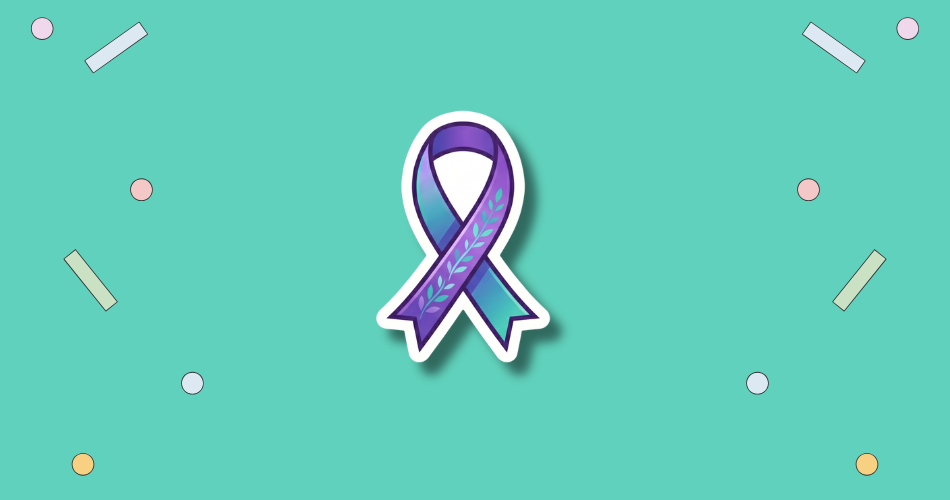
The most visible way to participate is by wearing the color purple, which is the official awareness color for fibromyalgia. Many people wear purple ribbons, clothing, or bracelets to spark conversations with others who may not be familiar with the disorder. On a larger scale, cities around the world often light up landmarks and public buildings with purple lights to show solidarity with the chronic pain community. Sharing educational graphics or personal “fibro fog” experiences on social media also helps demystify the condition for a global audience.
Education is another primary way to observe the day. Many non-profit organizations host virtual conferences, webinars, and local workshops featuring pain management experts and psychologists. These sessions provide patients and caregivers with practical tools for pacing activities, improving sleep hygiene, and navigating the emotional toll of chronic illness. Donating to reputable research foundations ensures that advocates can continue to fight for better healthcare policies and more accessible treatments for everyone affected.
- Wear a purple ribbon or clothing to show support for patients.
- Donate to organizations like the National Fibromyalgia Association for research.
- Post factual information about chronic pain on your social media pages.
- Light a purple candle or bulb to honor those struggling with invisible illness.
- Attend a local or online seminar to learn about new management techniques.
National Fibromyalgia Awareness Day Dates Table
| Year | Date | Day of the week |
|---|---|---|
| 2026 | May 12 | Tuesday |
| 2027 next | May 12 | Wednesday |
| 2028 | May 12 | Friday |
| 2029 | May 12 | Saturday |
| 2030 | May 12 | Sunday |
Thank you for your feedback!
Fuel the next post!