




National Gardening Exercise Day

National Gardening Exercise Day is observed every year on June 6. In 2027, this date falls on a Sunday. The day connects ordinary gardening tasks with the movement, strength, and flexibility they require. It treats weeding, digging, planting, raking, pruning, and watering as more than chores; they can also be practical forms of physical activity. The tone of the day is cheerful and health-minded, with a focus on getting outdoors, moving carefully, and enjoying the visible results of useful work.
Contents
See also: National Gardening Day, World Naked Gardening Day, International Sunflower Guerrilla Gardening Day, National Exercise Day
HT Meter
Does this day matter to you?
Tap the meter if it does, and say whether you will be celebrating — that is what opens the wishes from everybody else who will be.
This day matters to me
0 Be the first to say so
Just getting started
0 Let others know you’re in.
Wishes, greetings and stories
Join the celebration to share a wish, a greeting, or how this day goes in your house.
These are kept for the people celebrating this day. Say you will be celebrating to read them and to add your own.
You have already shared something here recently.
Nothing here yet. Yours would be the first.
History of National Gardening Exercise Day
National Gardening Exercise Day is a modern informal observance rather than a government-recognized national holiday. Public documentation does not identify a single confirmed founder, first observance year, or official sponsoring organization. The day is usually connected with the idea that gardening can be an active, whole-body task instead of a quiet hobby alone. Its fixed date of June 6 places it near the start of summer gardening season in much of the United States, when many people are already watering, weeding, planting, and maintaining outdoor spaces.
National Gardening Day
The broader background of the day is easy to understand because gardening has always required physical labor. Tending plants can involve bending, lifting, carrying soil, pushing a wheelbarrow, pulling weeds, turning compost, or walking back and forth across a yard. Modern health writing often recognizes many yard and garden chores as moderate physical activity, especially when they raise the heart rate and use large muscle groups. Today, National Gardening Exercise Day is mainly a reminder to notice that useful movement can happen in the garden as naturally as it does in a gym.
Why is National Gardening Exercise Day important?
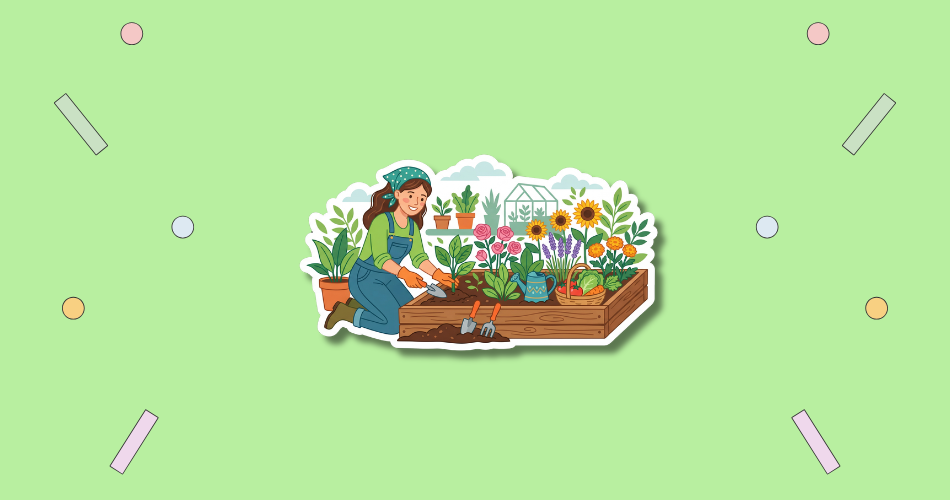
National Gardening Exercise Day matters because it makes movement feel practical and approachable. Not everyone enjoys formal workouts, but many people are willing to spend time outdoors improving a flower bed, vegetable patch, patio planter, or shared green space. Gardening can use the legs, arms, back, shoulders, hands, and core, especially when tasks are varied and done with attention to safe posture. The day also encourages people to move at a pace that fits their ability instead of treating exercise as one-size-fits-all.
The day also connects physical activity with patience, attention, and care. A garden does not reward rushing; it asks people to notice soil moisture, plant health, weather, weeds, and small seasonal changes. That slower rhythm can make movement feel less like a requirement and more like part of a useful routine. For older adults, beginners, families, and people who prefer low-pressure activity, gardening can offer a manageable way to add more motion to daily life.
- It makes everyday yard work feel more intentional.
- It gives gardeners a reason to vary their movements.
- It supports time outdoors in fresh air and daylight.
- It connects physical effort with visible results.
- It can make exercise feel less intimidating.
How to Celebrate National Gardening Exercise Day
Make it yours
How would you like to spend National Gardening Exercise Day?
Tick what fits you, and we will put together ideas made for this day — not for any day.

National Exercise Day
Start with a realistic garden task and treat it like a gentle workout. Pull weeds for a set amount of time, rake a small section of lawn, water containers by hand, spread mulch, turn compost, or plant a few seedlings. Use safe lifting habits, bend the knees when picking up heavy items, and switch hands when raking, sweeping, or carrying tools. Break up harder jobs with lighter ones so the body is not repeating the same motion for too long.
The day can also work for people without a traditional yard. A balcony, porch, windowsill, community garden, or public volunteer planting project can still offer useful movement and time with plants. Families can make it a shared activity by assigning small jobs such as watering, carrying light tools, gathering leaves, or checking seedlings. Anyone returning to physical activity after a long break should keep the work moderate, stay hydrated, and stop before fatigue turns into strain.
- Weed one small bed instead of tackling the whole yard.
- Carry watering cans in balanced, lighter loads.
- Stretch gently before and after garden work.
- Walk to a community garden or public green space.
- Use hand tools for a short, manageable task.
National Gardening Exercise Day Dates
| Year | Date | Day of the week |
|---|---|---|
| 2026 | June 6 | Saturday |
| 2027 next | June 6 | Sunday |
| 2028 | June 6 | Tuesday |
| 2029 | June 6 | Wednesday |
| 2030 | June 6 | Thursday |