



National Prairie Day
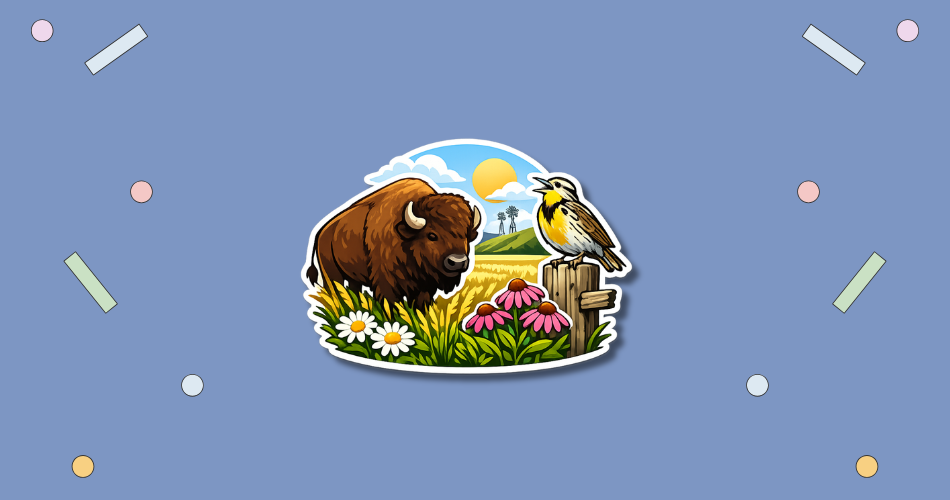
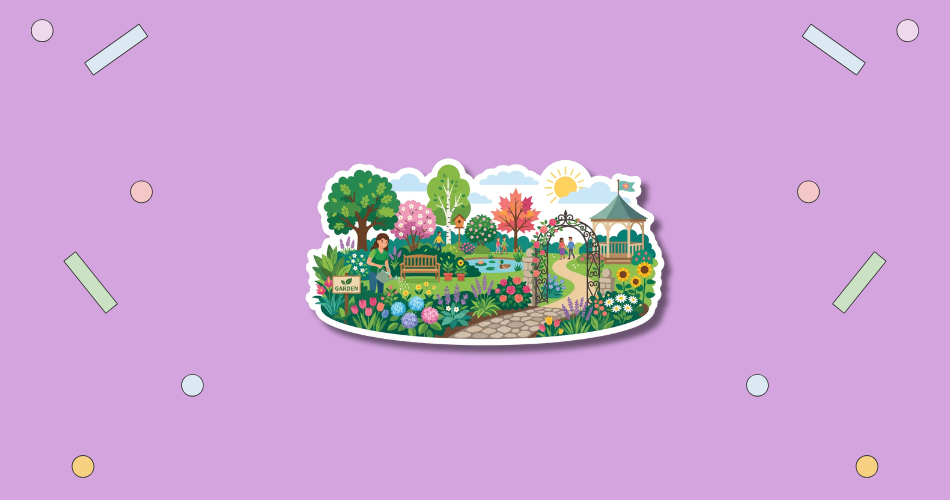
National Prairie Day is observed on the first Saturday of June. In 2027, this date falls on June 5. The day focuses attention on North America’s native prairie grasslands, their wildlife, and the conservation work needed to protect what remains. Prairies may look simple from a distance, but they are complex ecosystems built from deep-rooted grasses, wildflowers, insects, birds, soil life, and seasonal change. National Prairie Day is a chance to learn about these landscapes, visit a prairie site, support restoration, and recognize the natural heritage of America’s grasslands.
Contents
See also: National Bison Day
HT Meter
Does this day matter to you?
Tap the meter if it does, and say whether you will be celebrating — that is what opens the wishes from everybody else who will be.
This day matters to me
0 Be the first to say so
Just getting started
0 Let others know you’re in.
Wishes, greetings and stories
Join the celebration to share a wish, a greeting, or how this day goes in your house.
These are kept for the people celebrating this day. Say you will be celebrating to read them and to add your own.
You have already shared something here recently.
Nothing here yet. Yours would be the first.
History of National Prairie Day
National Prairie Day is a modern observance connected with prairie education and conservation in the United States. It was founded by the Missouri Prairie Foundation and has been observed on the first Saturday in June since 2016. The observance was created to raise public awareness of native prairies, encourage conservation of remaining original prairie, and support the reconstruction of native grasslands where appropriate. Its focus is not only scenic beauty, but also the ecological work prairies do every day.
National Bison Day
Prairies once stretched across large parts of central North America, forming vast grassland systems shaped by climate, grazing, fire, and deep-rooted native plants. Much of the tallgrass prairie was later converted for farming, ranching, towns, roads, and other development, leaving only scattered remnants in many places. Today, National Prairie Day connects public interest in nature with the practical work of protecting native plants, restoring habitat, and teaching people how prairie systems function. It also helps people see grasslands as living communities rather than empty open land.
Why is National Prairie Day important?
National Prairie Day is important because prairies support biodiversity above and below the soil surface. Native grasses and wildflowers provide food and shelter for pollinators, birds, mammals, reptiles, and many smaller species that are easy to overlook. Prairie roots help hold soil in place, improve water infiltration, and make the land more resilient during heavy rain and dry periods. Protecting prairie remnants also preserves plant communities that cannot be quickly replaced once they are plowed or heavily disturbed.
The day also matters because prairies are part of American natural and cultural history. They shaped settlement patterns, agricultural development, Indigenous land relationships, wildlife movement, and regional identity across much of the central United States. Learning about prairies can change how people view roadsides, fields, preserves, and backyard plantings. A small patch of native plants is not the same as an intact prairie, but it can still support pollinators and help people understand the value of native landscapes.
- Prairies protect soil from erosion.
- Native plants support bees, butterflies, and birds.
- Prairie remnants preserve rare ecological communities.
- Grasslands help people understand regional history.
- Restoration work gives communities a practical conservation goal.
How to Celebrate National Prairie Day
Make it yours
How would you like to spend National Prairie Day?
Tick what fits you, and we will put together ideas made for this day — not for any day.

National Trails Day
Visit a local prairie, grassland preserve, nature center, or public conservation area if one is nearby. Walk slowly, look at the plant layers, listen for birds, and notice how much life exists close to the ground. A field guide, binoculars, or a phone camera can make the visit more useful, especially for identifying wildflowers, grasses, insects, and birds. Staying on marked paths also helps protect fragile plants and nesting areas.
At home, learn which native prairie plants fit the local climate and growing conditions before planting. A small native plant bed, pollinator strip, or container garden can introduce people to prairie species without needing a large property. Schools, libraries, garden clubs, and conservation groups can use the day for talks, volunteer projects, seed collection programs, or guided walks. Sharing accurate information about prairie conservation helps the observance reach people who may have never visited a native grassland.
- Take a guided prairie walk.
- Plant native flowers suited to your region.
- Remove invasive plants with a local volunteer group.
- Read about tallgrass, mixed-grass, and shortgrass prairies.
- Share prairie photos with accurate plant or wildlife names.
National Prairie Day Dates
| Year | Date | Day of the week |
|---|---|---|
| 2026 | June 6 | Saturday |
| 2027 next | June 5 | Saturday |
| 2028 | June 3 | Saturday |
| 2029 | June 2 | Saturday |
| 2030 | June 1 | Saturday |