


National Mascot Day
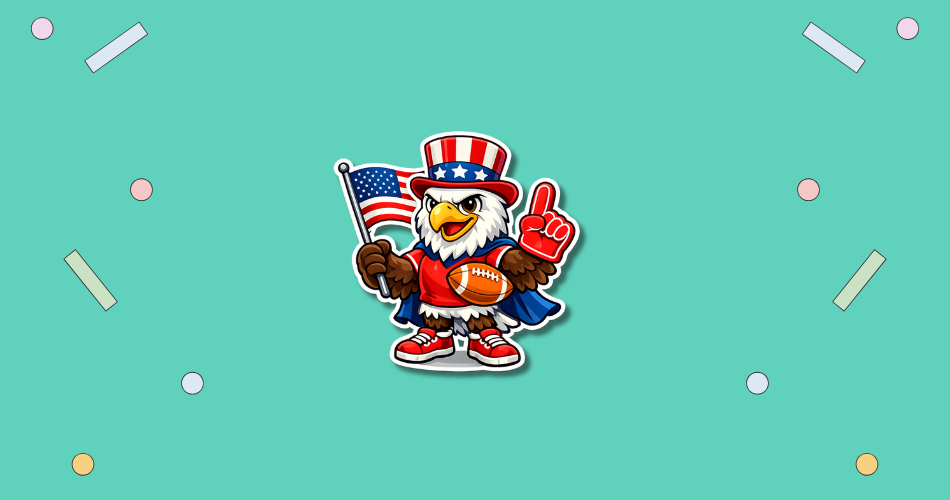
National Mascot Day is observed every year on June 17. In 2027, this date falls on a Thursday. The day recognizes the costumed characters, team symbols, school figures, and brand personalities that add energy to games, events, assemblies, parades, and community gatherings. It also puts attention on the performers inside the suits, whose work often depends on stamina, timing, humor, and strong nonverbal communication. For many fans, a mascot is more than a logo brought to life; it is a familiar face connected with school pride, team identity, and shared memories.
Contents
See also: Mother Goose Parade Day, Halloween, Macy’s Thanksgiving Day Parade, Three Kings Parade
HT Meter
Does this day matter to you?
Tap the meter if it does, and say whether you will be celebrating — that is what opens the wishes from everybody else who will be.
This day matters to me
0 Be the first to say so
Just getting started
0 Let others know you’re in.
Wishes, greetings and stories
Join the celebration to share a wish, a greeting, or how this day goes in your house.
These are kept for the people celebrating this day. Say you will be celebrating to read them and to add your own.
You have already shared something here recently.
Nothing here yet. Yours would be the first.
History of National Mascot Day
National Mascot Day is connected with the long history of mascots as symbols of luck, spirit, and identity. The word “mascot” comes from the French “mascotte,” a term associated with a lucky charm or talisman, and it became more widely known after the comic opera La Mascotte premiered in Paris in 1880. By the 1880s, the idea had moved into sports culture, where people, animals, and symbols were sometimes believed to bring good fortune to teams. One early American baseball example involved a boy nicknamed Chic, who was associated with a professional team in 1883 and treated by players as a good-luck figure.

National Student-Athlete Day
The modern observance of National Mascot Day is not tied to one clearly confirmed founder in the most reliable public holiday records. It has been recognized since at least 2016 as a day for appreciating mascots and the enthusiasm they bring to public events. Today, the meaning of the day is broader than sports alone, because mascots appear in schools, charities, public safety campaigns, civic events, entertainment venues, and businesses. The day works best as a playful appreciation day that also notices the skill behind a performance that often looks effortless from the stands.
Why is National Mascot Day important?
Mascots help turn large events into shared experiences. At a game, a mascot can lead a cheer, calm a restless crowd during a delay, pose for photos with children, or help fans feel connected even before the action begins. In schools and community settings, mascot appearances can support themes such as teamwork, reading, kindness, safety, and school spirit. Their value comes from visibility, movement, and personality, especially when a crowd needs a friendly focal point.
The day also matters because mascot performance is real work. Many performers spend long periods in heavy, warm costumes while relying on gestures, body language, and physical comedy instead of speech. A good mascot has to read a room, protect the character’s personality, interact safely with children, and keep energy high without breaking the illusion. National Mascot Day gives fans a reason to notice the person behind the performance without taking away the magic of the character.
- Mascots give teams and schools a recognizable public personality.
- Performers use movement and timing to connect with crowds.
- Children often remember mascot visits long after an event ends.
- A strong mascot can make a community event feel more welcoming.
- The day recognizes work that is usually hidden inside the costume.
How to Celebrate National Mascot Day
Make it yours
How would you like to spend National Mascot Day?
Tick what fits you, and we will put together ideas made for this day — not for any day.

National Dress Up Your Pet Day
Cheer for a favorite mascot at a game, school event, parade, or community gathering. Share a photo from a memorable mascot appearance, look up the backstory of a local team character, or watch a few classic mascot routines to notice how much expression can come from posture and movement. Families can make the day creative by drawing a new mascot for a school, club, neighborhood, or imaginary team. Event organizers can use the day to thank performers, plan safe meet-and-greet spaces, and give mascots breaks away from the crowd.
The day can also be used to think more carefully about what a mascot represents. A good mascot should bring people in, not make people feel mocked or reduced to a stereotype. Schools, teams, and organizations can review whether their mascot still reflects their values and whether the character is welcoming to the community it represents. That reflection does not take away from the fun of the day; it makes the tradition stronger, safer, and more respectful.
- Post a favorite mascot photo with a short memory.
- Thank a mascot performer after a game or event.
- Draw a new mascot for a local club or classroom.
- Learn the history of a team or school mascot.
- Plan a kid-friendly mascot visit with clear safety rules.
National Mascot Day Dates
| Year | Date | Day of the week |
|---|---|---|
| 2026 | June 17 | Wednesday |
| 2027 next | June 17 | Thursday |
| 2028 | June 17 | Saturday |
| 2029 | June 17 | Sunday |
| 2030 | June 17 | Monday |