



LGBTQIA+ Equal Pay Awareness Day
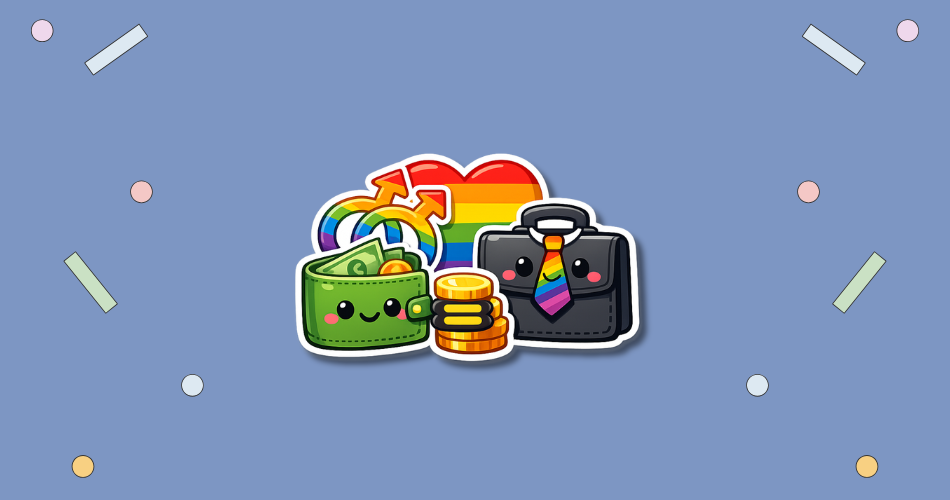
LGBTQIA+ Equal Pay Awareness Day is recognized in 2026 on June 17, with the date announced as part of the annual Equal Pay Day calendar rather than a fixed day that stays the same every year. In 2027, this date falls on June 17. This awareness day focuses on wage disparities affecting LGBTQIA+ workers and the ways discrimination, bias, limited legal protections, and gaps in wage data can shape economic security. It is a serious observance centered on pay equity, workplace fairness, and the need for more inclusive employment practices. The day also draws attention to the compounded barriers faced by transgender workers, nonbinary workers, LGBTQIA+ people of color, immigrants, and others whose experiences may not be fully reflected in broad pay-gap statistics. 1 2 3
Contents
See also: National Honor Our LGBT Elders Day, LGBT Center Awareness Day, International Family Equality Day, Lesbian Visibility Day
HT Meter
Does this day matter to you?
Say that it does, and say whether you will be marking it. Both are anonymous to nobody but kind to everybody.
This day matters to me
0 Be the first to say so
Quietly remembered
0 Nobody has said so yet
Notes of remembrance
Join those marking this day to share a word, a memory, or the reason it matters to you.
These notes are kept for the people marking this day. Say you will be marking it to read them and to leave your own.
You have already shared a note here recently.
No notes yet. Yours would be the first.
History of LGBTQIA+ Equal Pay Awareness Day
LGBTQIA+ Equal Pay Awareness Day belongs to the wider Equal Pay Day framework, which uses symbolic dates to show how pay gaps affect different groups of workers. Equal Pay Day was first observed in the United States in 1996, and later calendars added dates for specific communities whose wage gaps are shaped by race, ethnicity, disability, caregiving status, sexual orientation, gender identity, and other factors. The LGBTQIA+ observance reflects a more recent push to discuss pay equity in a way that includes workers who may face discrimination in hiring, promotions, benefits, workplace safety, and access to accurate employment data.
Equal Pay Day
The day is now used to focus attention on the economic realities of LGBTQIA+ workers rather than only on general gender-based wage comparisons. LGBTQIA+ people are not a single economic group, and income disparities can vary by race, gender identity, geography, immigration status, disability, and occupation. A major challenge is that many public data systems still do not collect enough consistent information on sexual orientation, gender identity, and intersex status to measure every pay gap clearly. That lack of data is itself part of the issue, because policy decisions and workplace reforms are harder to shape when affected workers are statistically invisible.
Why is LGBTQIA+ Equal Pay Awareness Day important?
LGBTQIA+ Equal Pay Awareness Day matters because earnings affect nearly every part of life, including rent, health care, food security, education, savings, credit, and retirement. When workers are paid less or are pushed out of stable jobs because of bias, the effects can last for decades. Pay inequity is not only about one paycheck; it can shape career growth, family stability, debt, and the ability to recover from emergencies. For LGBTQIA+ workers who already face higher risks of discrimination or rejection, economic insecurity can make those barriers even harder to navigate.
The day also broadens the public conversation about what equal pay requires. Pay equity is not solved only by comparing job titles or salaries after the fact; it also depends on fair hiring, transparent compensation practices, access to promotions, safe reporting systems, and protections against retaliation. Inclusive data collection matters because it helps identify who is being left behind and where action is needed. A stronger approach to pay equity treats LGBTQIA+ workers as part of the full workforce, not as an afterthought in economic policy.
- Wage gaps can limit long-term financial stability.
- Bias in hiring and promotion affects career growth.
- Better data can make pay inequity easier to address.
- Workplace protections help reduce economic vulnerability.
- Fair pay supports families, housing, health, and retirement.
How to Observe LGBTQIA+ Equal Pay Awareness Day
Make it yours
How would you like to spend LGBTQIA+ Equal Pay Awareness Day?
Tick what fits you, and we will put together ideas made for this day — not for any day.
International Equal Pay Day
Review pay practices, workplace policies, and hiring systems with LGBTQIA+ workers in mind. Employers can examine salary bands, promotion patterns, benefits, complaint procedures, and whether employees can safely be open at work without risking retaliation or exclusion. Workers and allies can use the day to learn about pay transparency laws, nondiscrimination protections, and how compensation decisions are made in their own workplaces. Organizations can also invite discussion without placing the burden of education on LGBTQIA+ employees.
Public awareness is useful when it leads to practical action. Share accurate information about LGBTQIA+ pay inequity, support groups that work on economic justice, and encourage elected officials or employers to back inclusive workplace protections and better data collection. Human resources teams can look at whether benefit language includes diverse families and whether policies address gender identity, chosen names, pronouns, and transition-related needs. The most meaningful observance is one that connects awareness with measurable steps toward fair pay and safer workplaces.
- Read about LGBTQIA+ wage-gap research.
- Check whether salary ranges are transparent.
- Support nondiscrimination and pay equity policies.
- Review benefits for inclusive family coverage.
- Encourage respectful workplace reporting systems.
LGBTQIA+ Equal Pay Awareness Day Dates
| Year | Date | Day of the week |
|---|---|---|
| 2026 | June 17 | Wednesday |
| 2027 | June 17 | Wednesday |
| 2028 | June 17 | Wednesday |
| 2029 | June 17 | Wednesday |
| 2030 | June 17 | Wednesday |