

National Pawpaw Day
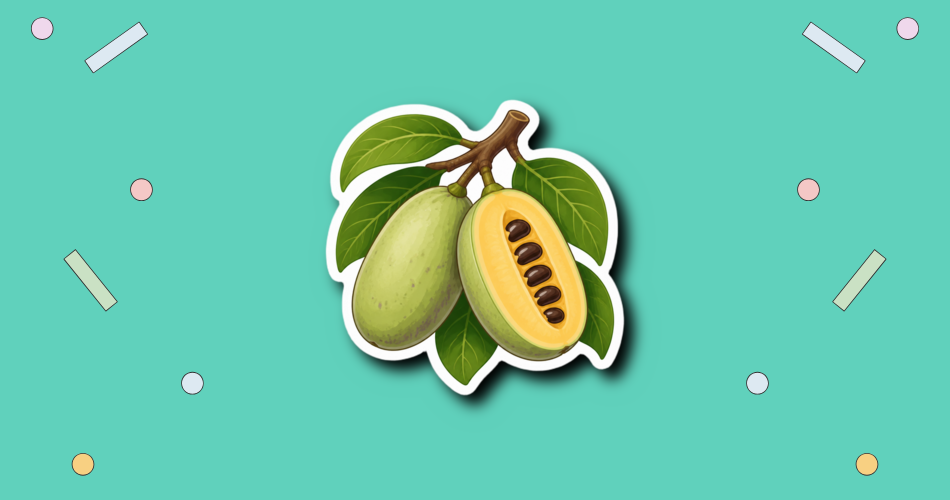
National Pawpaw Day takes place annually on the third Thursday of September. In 2027, this date falls on September 16. Enthusiasts across the United States use this day to honor a fruit that is both native and largely overlooked. The pawpaw, with its custard-like flesh and tropical flavor, has been part of the American landscape for centuries but is only now gaining wider recognition.
Contents
HT Meter
Does this day matter to you?
Tap the meter if it does, and say whether you will be celebrating — that is what opens the wishes from everybody else who will be.
This day matters to me
0 Be the first to say so
Just getting started
0 Let others know you’re in.
Wishes, greetings and stories
Join the celebration to share a wish, a greeting, or how this day goes in your house.
These are kept for the people celebrating this day. Say you will be celebrating to read them and to add your own.
You have already shared something here recently.
Nothing here yet. Yours would be the first.
History of National Pawpaw Day
Kentucky State University founded National Pawpaw Day in 2019. The university operates the only full-time pawpaw research program in the world, dedicated to improving propagation methods, orchard management, variety trials, and understanding fruit ripening and storage. This institutional support helped establish a formal day of celebration that would highlight the fruit's potential and encourage public interest.
The choice of September aligns with the peak pawpaw harvest season across much of the eastern United States. Festivals and community events naturally clustered around this time, making the third Thursday a convenient anchor for a coordinated celebration. Since its founding, the day has grown alongside a network of regional pawpaw festivals that now number more than thirty each year.
Why is National Pawpaw Day important?
National Pawpaw Day shines a spotlight on North America's largest native fruit, which remains surprisingly unknown to many Americans. The pawpaw once sustained Native American tribes and early pioneers, yet it has been marginalized in modern agriculture. Celebrating this fruit helps preserve its cultural and ecological heritage while encouraging people to explore local food sources.

National Peanut Day
Beyond its historical value, the pawpaw offers genuine nutritional and culinary benefits. The fruit contains all essential amino acids, is high in minerals, and provides many vitamins. Its creamy texture and hints of mango, banana, and pineapple make it a versatile ingredient in desserts, smoothies, and even savory dishes. Recognizing the pawpaw also supports biodiversity and sustainable food systems.
- It educates the public about a native fruit that is often overlooked in grocery stores.
- It supports small-scale growers and local food economies through festivals and tree sales.
- It encourages foraging and appreciation of wild food resources.
- It highlights the research and development work being done at institutions like Kentucky State University.
- It fosters community gatherings that combine food, music, and nature education.
How to Celebrate National Pawpaw Day
Make it yours
How would you like to spend National Pawpaw Day?
Tick what fits you, and we will put together ideas made for this day — not for any day.
Celebrate National Pawpaw Day by finding fresh pawpaw fruit at local farmers markets, festivals, or even wild foraging in suitable areas. The fruit is best eaten raw when fully ripe, but it also shines in pies, ice cream, breads, and preserves. Many communities host tasting events, cooking demonstrations, and educational talks where you can learn about growing your own pawpaw tree.
Another way to mark the day is to attend one of the many pawpaw festivals held throughout September. These events often feature live music, craft vendors, tree sales, and opportunities to meet fellow enthusiasts. If you cannot attend in person, consider ordering pawpaw products online or planting a pawpaw seedling in your yard to support the fruit's comeback.
- Visit a local pawpaw festival to taste fresh fruit and meet growers.
- Bake a pawpaw pie or make pawpaw ice cream using online recipes.
- Go on a guided foraging walk to learn how to identify pawpaw trees in the wild.
- Purchase pawpaw trees or seeds to start your own home orchard.
- Share photos and facts about pawpaws on social media using the day's hashtag.
National Pawpaw Day Dates
| Year | Date | Day of the week |
|---|---|---|
| 2026 | September 17 | Thursday |
| 2027 next | September 16 | Thursday |
| 2028 | September 21 | Thursday |
| 2029 | September 20 | Thursday |
| 2030 | September 19 | Thursday |

Sorry to hear you didn't enjoy this article...
National Pecan Day
Help us make it better!