



National Pop Goes The Weasel Day
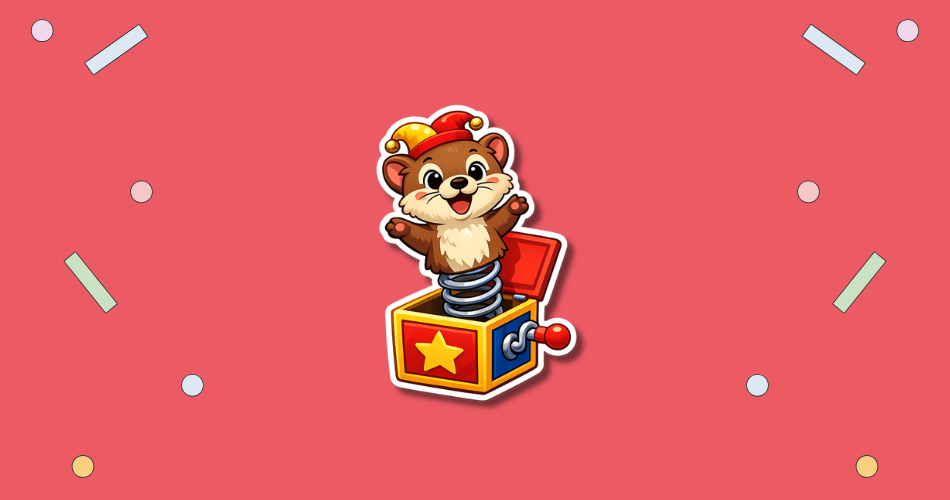
National Pop Goes The Weasel Day is observed every year on June 14. In 2027, this date falls on a Monday. This lighthearted observance centers on the traditional nursery rhyme “Pop Goes the Weasel,” a tune many English-speaking children learn through singing, play, toys, or classroom activities. The day is mainly a nostalgic and musical fun day, giving families, teachers, and rhyme lovers a reason to revisit a short song with a surprisingly tangled background. Its appeal comes from the sudden “pop,” the familiar melody, and the way different versions of the rhyme have traveled through homes, schools, playgrounds, and popular culture. 1 2
Contents
See also: Quirky Country Music Song Titles Day, National Dance Like a Chicken Day, Raggedy Ann and Andy Day
HT Meter
Does this day matter to you?
Tap the meter if it does, and say whether you will be celebrating — that is what opens the wishes from everybody else who will be.
This day matters to me
0 Be the first to say so
Just getting started
0 Let others know you’re in.
Wishes, greetings and stories
Join the celebration to share a wish, a greeting, or how this day goes in your house.
These are kept for the people celebrating this day. Say you will be celebrating to read them and to add your own.
You have already shared something here recently.
Nothing here yet. Yours would be the first.
History of National Pop Goes The Weasel Day
The modern observance does not have a clearly confirmed founder, sponsoring organization, or official origin story. What can be safely said is that the day grew around a much older song whose history reaches into nineteenth-century English and American popular culture. “Pop Goes the Weasel” was associated with a dance tune before it became known mainly as a nursery rhyme, and printed references from the 1850s show it moving through dance halls, sheet music, and public entertainment. Over time, different lyrics attached themselves to the tune, which helps explain why British and American versions often sound familiar but do not always match.
National Mother Goose Day
The rhyme itself carries traces of older urban life, especially in the British lines about City Road and The Eagle. Some interpretations connect “pop” with pawning and “weasel” with either clothing or a weaving tool, but the meaning is still debated and should not be treated as settled fact. That uncertainty is part of the rhyme’s staying power: it can be sung as nonsense, remembered as a children’s game, or explored as a small window into language, work, money, and entertainment in the past. Today, National Pop Goes The Weasel Day is understood mostly as an informal day for enjoying the rhyme and passing it along.
Why is National Pop Goes The Weasel Day important?
National Pop Goes The Weasel Day gives attention to a small piece of cultural memory that many people know before they know where it came from. Nursery rhymes help children hear rhythm, rhyme, repetition, and sound patterns, all of which support early language awareness. A short song like this can also become a shared reference between generations, especially when parents, grandparents, teachers, or caregivers sing it with children. The day keeps that simple exchange alive without needing a large event or formal program.
The observance also shows how traditional songs change as they travel. One family may know the “mulberry bush” version, another may remember City Road and The Eagle, and another may associate the tune with a jack-in-the-box. Those differences are useful reminders that folk culture is not fixed in one perfect version. It is passed along, reshaped, misheard, adapted, and kept alive because people continue to use it.
- It preserves a familiar English-language nursery rhyme.
- It supports playful singing with young children.
- It connects music, memory, and language development.
- It invites curiosity about old words and meanings.
- It gives adults a reason to revisit childhood songs.
How to Celebrate National Pop Goes The Weasel Day
Make it yours
How would you like to spend National Pop Goes The Weasel Day?
Tick what fits you, and we will put together ideas made for this day — not for any day.
National Dance Like a Chicken Day
Sing the rhyme with children, students, or family members, especially if the song was part of childhood routines. Try comparing two versions of the lyrics and notice how the tune stays recognizable even when the words change. Teachers and caregivers can use the day for a short rhyme activity, a rhythm game, or a simple movement circle where children clap, step, or jump on the word “pop.” At home, the day works well as a small musical break rather than a planned party.
For a more thoughtful approach, look into the older British lyrics and the possible meanings behind them. The rhyme can open a conversation about how songs preserve old slang, city places, jobs, and everyday struggles, even when children later sing them without knowing that background. A music class might use the tune to talk about melody and repetition, while a history or language lesson could focus on how phrases survive after their original meaning becomes unclear. The point is not to solve the rhyme completely, but to enjoy the song while noticing how much history can hide inside a few short lines.
- Sing the rhyme and add claps on the beat.
- Teach a child the version you remember.
- Compare British and American lyrics.
- Make a simple pop-up paper toy.
- Listen for the tune in a jack-in-the-box.
National Pop Goes The Weasel Day Dates
| Year | Date | Day of the week |
|---|---|---|
| 2026 | June 14 | Sunday |
| 2027 next | June 14 | Monday |
| 2028 | June 14 | Wednesday |
| 2029 | June 14 | Thursday |
| 2030 | June 14 | Friday |