



Canadian Rivers Day
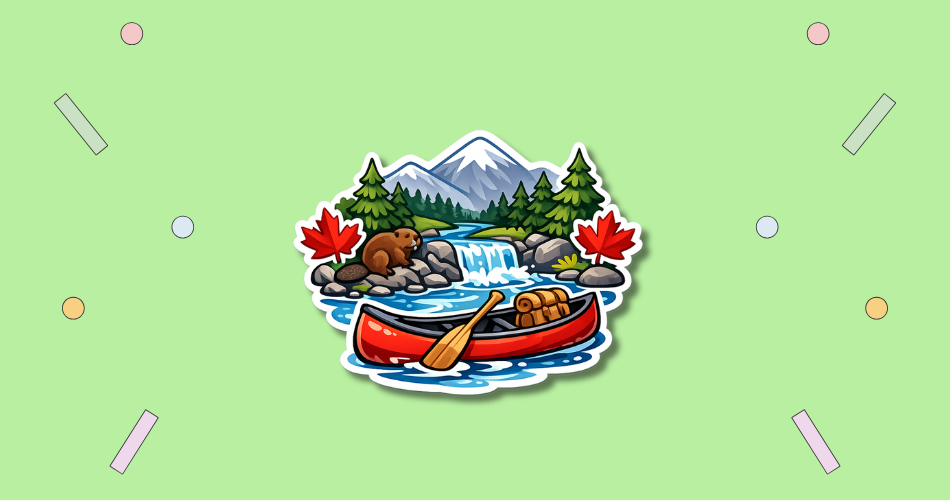
Canadian Rivers Day is observed on the second Sunday in June. In 2027, this date falls on June 13. The Canadian observance focuses attention on the heritage, health, and long-term care of rivers across the country. It connects outdoor appreciation with public awareness, encouraging people to learn how rivers support communities, wildlife, recreation, and cultural memory. The day is also a practical reminder that clean, connected waterways depend on stewardship, local action, and informed choices.
Contents
See also: International Day of Action for Rivers, National River Day
HT Meter
Does this day matter to you?
Tap the meter if it does, and say whether you will be celebrating — that is what opens the wishes from everybody else who will be.
This day matters to me
0 Be the first to say so
Just getting started
0 Let others know you’re in.
Wishes, greetings and stories
Join the celebration to share a wish, a greeting, or how this day goes in your house.
These are kept for the people celebrating this day. Say you will be celebrating to read them and to add your own.
You have already shared something here recently.
Nothing here yet. Yours would be the first.
History of Canadian Rivers Day
Canadian Rivers Day was formally proclaimed in 2002 by Sheila Copps, then Minister of Canadian Heritage, after years of discussion and support from river advocates and heritage organizations. The idea had been endorsed by the Canadian Heritage Rivers Board and by delegates at the 2001 Canadian River Heritage Conference. The first national Canadian Rivers Day was planned for June 8, 2003, placing the observance in early summer, when many Canadians are returning to paddling, fishing, hiking, and riverside activities.

World Rivers Day
The observance also grew from a wider Canadian movement to recognize rivers as natural, cultural, and recreational treasures. British Columbia had already built a strong Rivers Day tradition, and that regional success helped show that river appreciation could bring communities, conservation groups, educators, paddlers, and local governments together. Today, Canadian Rivers Day is understood as both a celebration of Canada’s river heritage and a call to protect the waterways that shape landscapes, histories, economies, and ecosystems.
Why is Canadian Rivers Day important?
Canada’s rivers are more than scenery. They carry freshwater, support fish and wildlife, connect communities, provide recreation, and hold deep cultural and historical meaning. Many rivers also tell stories of travel, trade, Indigenous presence, settlement, industry, and conservation. Canadian Rivers Day helps people see rivers not as background features, but as living systems that need care.
The day matters because freshwater systems face real pressures, including habitat loss, pollution, barriers to fish movement, invasive species, and climate-related changes. Paying attention to rivers can lead to better habits, stronger community projects, and more support for restoration work. It also helps families and schools connect environmental learning with places they can actually visit, observe, and help protect.
- Rivers provide habitat for fish, birds, plants, and other wildlife.
- Healthy waterways support clean water and resilient ecosystems.
- Local river cleanups can make visible improvements.
- Paddling and walking routes help people value nearby nature.
- River stories preserve cultural and community memory.
How to Celebrate Canadian Rivers Day
Make it yours
How would you like to spend Canadian Rivers Day?
Tick what fits you, and we will put together ideas made for this day — not for any day.

National Canoe Day
Visit a local river, creek, or shoreline and spend time noticing what is there. Look for birds, insects, native plants, signs of erosion, or places where people interact with the water. A quiet walk, a safe paddle, a family picnic, or a guided nature outing can make the day feel connected to a real place rather than an abstract environmental idea. Anyone planning time on the water should check local conditions, wear appropriate safety gear, and respect closures or sensitive habitats.
Community activities can give the day a stronger purpose. Join a shoreline cleanup, learn about a nearby watershed, support a local conservation group, or read about a river that has Canadian Heritage River status. Teachers and families can use maps, photos, and local history to connect rivers with geography, ecology, and culture. Even small actions, such as reducing litter, avoiding harmful runoff, and staying on marked trails, help protect river corridors over time.
- Pick up litter along a safe riverside path.
- Take a photo walk beside a local waterway.
- Learn the name and route of the nearest river.
- Join a paddling event or guided nature walk.
- Share a river safety reminder with family or friends.
Canadian Rivers Day Dates
| Year | Date | Day of the week |
|---|---|---|
| 2026 | June 14 | Sunday |
| 2027 next | June 13 | Sunday |
| 2028 | June 11 | Sunday |
| 2029 | June 10 | Sunday |
| 2030 | June 9 | Sunday |
Thank you for your feedback!
International Day of Action for Rivers
Fuel the next post!