



National Report Upcoding Fraud Day
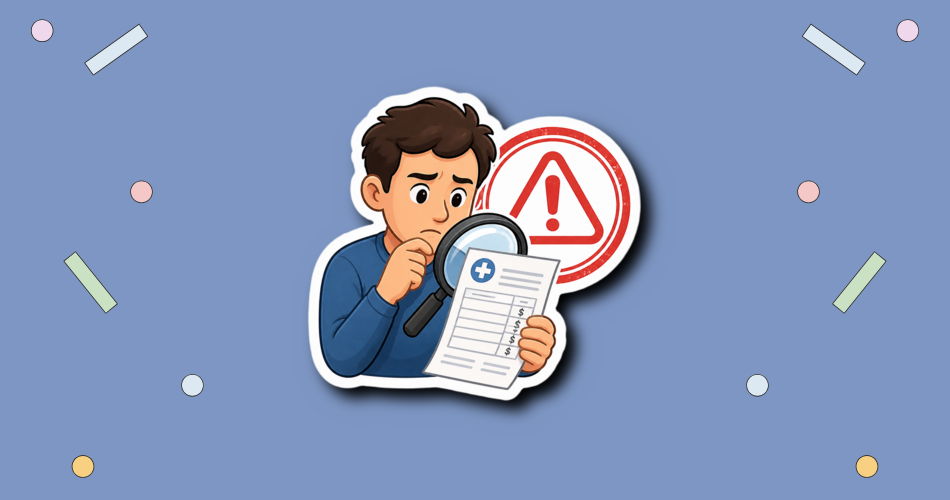
National Report Upcoding Fraud Day takes place annually on August 21. In 2027, this date falls on a Saturday. This day is dedicated to raising awareness about healthcare fraud and encouraging individuals to report suspicious billing practices. Upcoding, a specific type of fraud, occurs when healthcare providers bill for more expensive services than were actually provided, costing the system billions each year.
Contents
HT Meter
Does this day matter to you?
Tap the meter if it does, and say whether you will be celebrating — that is what opens the wishes from everybody else who will be.
This day matters to me
0 Be the first to say so
Just getting started
0 Let others know you’re in.
Wishes, greetings and stories
Join the celebration to share a wish, a greeting, or how this day goes in your house.
These are kept for the people celebrating this day. Say you will be celebrating to read them and to add your own.
You have already shared something here recently.
Nothing here yet. Yours would be the first.
History of National Report Upcoding Fraud Day
National Report Upcoding Fraud Day was created as an initiative by Joel Hesch, a former federal prosecutor who specialized in healthcare fraud cases. The day aims to educate the public about the prevalence of upcoding and other fraudulent billing schemes in the healthcare industry. By designating a specific date for awareness, the initiative hopes to empower patients and whistleblowers to come forward with information about potential fraud.
The day aligns with broader efforts to combat healthcare fraud, including the annual National Health Care Fraud Takedown. In 2026, this enforcement action exposed $6.5 billion in alleged false claims, highlighting the massive scale of the problem. National Report Upcoding Fraud Day serves as a reminder that individual reports can make a significant difference in holding fraudulent providers accountable and protecting taxpayer-funded programs like Medicare and Medicaid.
Why is National Report Upcoding Fraud Day important?
Healthcare fraud affects everyone, from individual patients to the entire economy. When providers engage in upcoding, they inflate costs that are ultimately passed on to patients, insurers, and taxpayers. This type of fraud undermines trust in the healthcare system and diverts resources away from legitimate medical care.
National Report Medicare Fraud Day
Reporting fraud is a civic responsibility that helps maintain the integrity of healthcare programs. The day emphasizes that anyone can be a whistleblower and that reporting mechanisms exist to protect those who come forward. By shining a light on fraudulent practices, National Report Upcoding Fraud Day contributes to a healthier, more honest healthcare system for all.
- Upcoding can lead to higher insurance premiums and out-of-pocket costs for patients.
- Fraudulent billing wastes billions of dollars that could be used for actual patient care.
- Reporting fraud helps protect vulnerable populations, including the elderly and low-income individuals.
- Whistleblower protections exist to safeguard those who report suspicious activity.
- Public awareness is the first step in preventing and detecting healthcare fraud.
How to Celebrate National Report Upcoding Fraud Day
Make it yours
How would you like to spend National Report Upcoding Fraud Day?
Tick what fits you, and we will put together ideas made for this day — not for any day.
Observing National Report Upcoding Fraud Day involves learning about the signs of healthcare fraud and taking action if you suspect wrongdoing. Start by reviewing your medical bills and Explanation of Benefits (EOB) statements for any services you don't recognize or that seem incorrect. If you notice discrepancies, document them and consider reporting them to the appropriate authorities.
You can also spread awareness by sharing information about upcoding and healthcare fraud with friends, family, and on social media. Many organizations provide resources and hotlines for reporting fraud, such as the HHS Office of Inspector General. Taking the time to educate yourself and others can help create a culture of accountability in healthcare.
- Review your medical bills for services you did not receive.
- Report suspected fraud to the HHS OIG hotline or online portal.
- Share information about upcoding on social media using relevant hashtags.
- Encourage your healthcare provider to maintain accurate billing practices.
- Support organizations that work to combat healthcare fraud.
National Report Upcoding Fraud Day Dates
| Year | Date | Day of the week |
|---|---|---|
| 2026 | August 21 | Friday |
| 2027 next | August 21 | Saturday |
| 2028 | August 21 | Monday |
| 2029 | August 21 | Tuesday |
| 2030 | August 21 | Wednesday |
National Report Home Health Care Fraud Day
Thank you for your feedback!
Fuel the next post!
Sorry to hear you didn't enjoy this article...
National Report Pharmaceutical Fraud Day
Help us make it better!