
National Stress Awareness Day
National Stress Awareness Day is a dedicated time to focus on the impact of physical and emotional strain on health, and it is observed on April 16. In 2027, this date falls on a Friday. While the entire month of April is dedicated to stress awareness, this specific date serves as a concentrated moment for individuals to assess their mental well-being and implement practical relaxation techniques.
Contents
Read also about National Stress Awareness Day, National Texas Stress Day
HT Meter
Does this day matter to you?
Say that it does, and say whether you will be marking it. Both are anonymous to nobody but kind to everybody.
This day matters to me
0 Be the first to say so
Quietly remembered
0 Nobody has said so yet
Notes of remembrance
Join those marking this day to share a word, a memory, or the reason it matters to you.
These notes are kept for the people marking this day. Say you will be marking it to read them and to leave your own.
You have already shared a note here recently.
No notes yet. Yours would be the first.
History of National Stress Awareness Day
The origins of this observance are tied to the broader National Stress Awareness Month, which was established in 1992 by the Health Resource Network. The goal was to bring attention to what researchers described as a growing public health crisis. By designating April 16—the day after the federal tax filing deadline in the United States—as a focal point, the holiday directly addresses one of the most common seasonal spikes in environmental and financial stress.
National Stress Awareness Day
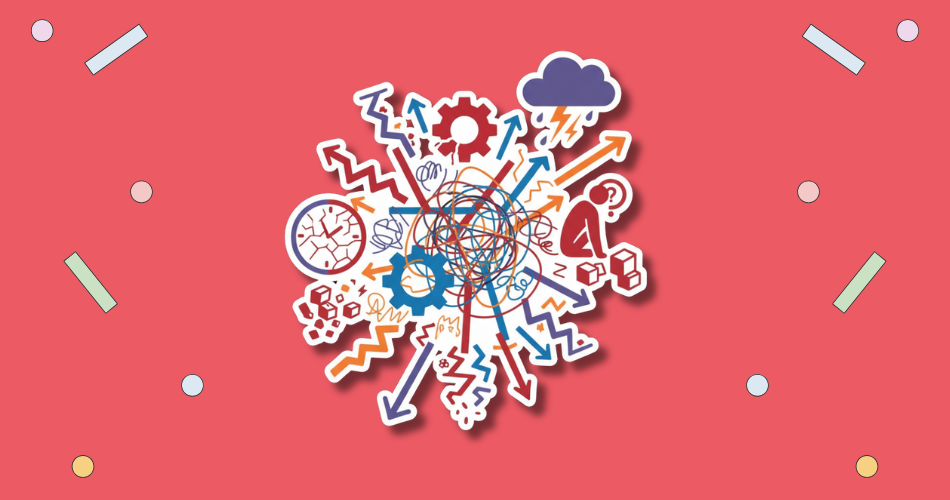
Over the decades, the day has evolved from a small educational initiative into a widely recognized event supported by medical professionals and wellness advocates. It draws on the work of Hans Selye, the “father of stress research,” who first documented the biological effects of prolonged pressure on the human body. Today, the day is used to promote the idea that managing stress is not a luxury, but a vital component of preventative healthcare and long-term disease management.
Tips for a Stress-Free Holiday Season 👈
Why is National Stress Awareness Day important?
This day is important because it highlights the direct biological link between mental tension and physical illness. Chronic stress triggers the constant release of cortisol and adrenaline, which can lead to suppressed immune function, high blood pressure, and cardiovascular strain. By focusing on these risks on April 16, the holiday encourages people to transition out of the high-pressure “tax season” mindset and prioritize the physiological recovery of their nervous systems.
National Self Care Day
The observance also helps to destigmatize the act of seeking help. Many people view stress as an unavoidable part of a productive life, yet unmanaged stress can significantly decrease focus, memory, and emotional stability. National Stress Awareness Day provides a socially accepted opportunity for colleagues, families, and friends to discuss their burdens and share effective coping mechanisms. It reinforces the concept that resilience is built through intentional rest and boundary-setting rather than through constant endurance.
- It identifies the physical warning signs of burnout and exhaustion.
- The day promotes the adoption of healthy, science-based relaxation habits.
- It reduces the health risks associated with chronic cortisol elevation.
- Public awareness encourages the use of mental health resources in the workplace.
- It fosters a supportive environment for those struggling with anxiety or overwhelm.
How to Observe National Stress Awareness Day
Make it yours
How would you like to spend National Stress Awareness Day?
Tick what fits you, and we will put together ideas made for this day — not for any day.
Observation of this day typically involves practicing “intentional downtime” to lower the heart rate and clear the mind. Simple activities like deep breathing exercises, progressive muscle relaxation, or a short walk in a natural setting are highly effective ways to signal to the body that it is safe to relax. Many people also use the day to reorganize their schedules, identifying non-essential tasks that can be removed to reduce their daily mental load.
In professional settings, you can observe the day by encouraging “quiet hours” or taking a dedicated lunch break away from digital screens. Sharing resources on mindfulness or hosting a small group discussion about work-life balance can help normalize the practice of self-care. For a more personal approach, engaging in a creative hobby or spending quality time with a pet can provide the necessary emotional reset to finish the month of April with a renewed sense of calm.
- Practice box breathing or guided meditation for ten minutes.
- Step away from social media and news feeds for several hours.
- Create a prioritized “to-do” list to gain a sense of control over tasks.
- Engage in light physical activity like yoga or stretching.
- Write down three things you are grateful for to shift your perspective.
National Stress Awareness Day Dates Table
| Year | Date | Day of the week |
|---|---|---|
| 2026 | April 16 | Thursday |
| 2027 next | April 16 | Friday |
| 2028 | April 16 | Sunday |
| 2029 | April 16 | Monday |
| 2030 | April 16 | Tuesday |