
Orkney Day
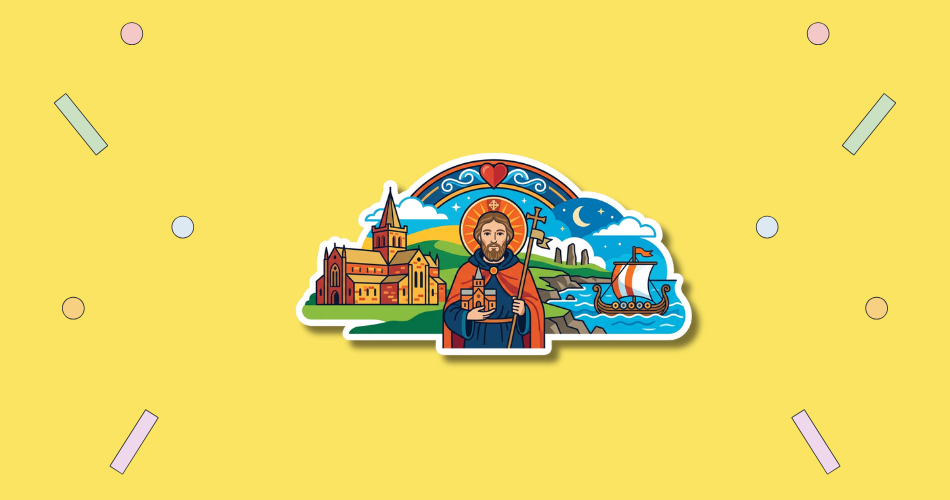
Orkney Day, also widely known as the Feast Day of Saint Magnus, is a significant cultural and religious observance in the Orkney Islands that takes place on April 16. In 2027, this date falls on a Friday. This day commemorates the martyrdom of Magnus Erlendsson, the 12th-century Viking Earl of Orkney who became the islands’ patron saint. For Orcadians, the date is more than a religious feast; it is a profound expression of local identity and Viking heritage. Whether through formal church services at the iconic St. Magnus Cathedral in Kirkwall or through community gatherings across the archipelago, the day serves to honor a figure defined by his piety and his ultimate sacrifice during a power struggle with his cousin, Haakon.
Contents
HT Meter
Does this day matter to you?
Tap the meter if it does, and say whether you will be celebrating — that is what opens the wishes from everybody else who will be.
This day matters to me
0 Be the first to say so
Just getting started
0 Let others know you’re in.
Wishes, greetings and stories
Join the celebration to share a wish, a greeting, or how this day goes in your house.
These are kept for the people celebrating this day. Say you will be celebrating to read them and to add your own.
You have already shared something here recently.
Nothing here yet. Yours would be the first.
Read also about Feast of Saint Joseph, Feast of St Agatha, Feast of Saint John, Feast Day of Vincent Ferrer
History of Orkney Day
The history of this day is inextricably linked to the Norse sagas, particularly the Orkneyinga saga. Magnus Erlendsson ruled as joint Earl of Orkney alongside his cousin Haakon Paulsson until political tensions led to a fateful meeting on the island of Egilsay in April 1117. Despite an agreement to bring only two ships each, Haakon arrived with eight, capturing the peace-seeking Magnus. Refusing to let his men fight, Magnus spent his final night in prayer before being executed by Haakon’s cook. According to legend, the rocky ground where he fell immediately bloomed into a lush green field, a phenomenon many locals viewed as the first of many miracles associated with his death.
Leif Erikson Day
Following his martyrdom, Magnus was canonized in 1135, and his reputation for sanctity spread rapidly across the Viking world. His nephew, Rognvald Kali Kolsson, vowed to build a “fine minster” in his uncle’s honor, leading to the founding of St. Magnus Cathedral in 1137. The cathedral eventually became the final resting place for the saint’s relics, which were rediscovered hidden inside a stone pillar during renovations in 1919. Today, the 16th of April remains a cornerstone of the Orcadian calendar, preserving the memory of a leader who chose a peaceful death over a violent civil war.
Why is Orkney Day important?
Orkney Day is essential for preserving the unique Norse-Scottish identity that defines the islands. While much of Scotland shares a Celtic or Gaelic history, Orkney’s lineage is deeply rooted in the Earldom of Orkney and its ties to the Norwegian crown. Saint Magnus represents the transition of the Viking people from raiders to a settled, Christian society, embodying virtues of honesty and self-sacrifice that are still highly regarded in local culture. The day provides an annual focal point for residents to reflect on this transition and the enduring influence of the Viking Age on their language, architecture, and traditions.
The importance of the day also extends to the architectural and spiritual heart of the islands: St. Magnus Cathedral. As the most northerly cathedral in Britain and one of the best-preserved medieval buildings in Scotland, it stands as a testament to the devotion inspired by the saint. Celebrating this day ensures that the stories of the cathedral’s construction and the miraculous recovery of the saint’s bones are passed down to younger generations. It is a time when the “Light in the North” is celebrated not just as a historical site, but as a living symbol of community resilience and faith.
- The holiday marks the exact date of Saint Magnus’s martyrdom in 1117.
- It highlights Orkney’s unique Norse heritage and historical ties to Norway.
- Saint Magnus is the only Norwegian saint to have a cathedral dedicated to him in Scotland.
- The day promotes the preservation of the Orkneyinga saga and local folklore.
- It brings together people of various faiths to honor a patron of peace.
How to Celebrate Orkney Day
Make it yours
How would you like to spend Orkney Day (Feast Day of Saint Magnus of Orkney)?
Tick what fits you, and we will put together ideas made for this day — not for any day.
Shetland Flag Day in Scotland
Celebrating Orkney Day often involves visiting the sites associated with the saint’s life and death. Many people travel to the island of Egilsay to see the ruins of the 12th-century church built on the spot where Magnus was killed. In Kirkwall, a special service is typically held at St. Magnus Cathedral, where the Orcadian flag—featuring a red cross on a blue and yellow background—is proudly displayed on public buildings. The atmosphere is one of community pride, with locals often engaging in walks along the “St. Magnus Way,” a long-distance pilgrimage route that follows the story of the saint through the Orkney landscape.
In addition to formal ceremonies, the day is celebrated with music and storytelling. Local choirs and musicians often perform the “Hymn to St. Magnus,” a medieval piece of music found in a 13th-century manuscript. Schools and heritage centers use the date to educate children about Viking history and the construction of the “Big Kirk.” Whether by attending a concert, sharing a meal with neighbors, or simply taking a moment of silence at a historic site, the celebration is a way for Orcadians to reconnect with their past and ensure that the legacy of their patron saint remains a vibrant part of their modern lives.
- Attend a commemorative service or choral performance at St. Magnus Cathedral.
- Fly the Orkney flag to show local pride and celebrate island identity.
- Walk a portion of the St. Magnus Way pilgrimage route on the mainland.
- Visit the martyrdom site on the island of Egilsay for a moment of reflection.
- Read excerpts from the Orkneyinga saga to learn more about Viking history.
Orkney Day Dates Table
| Year | Date | Day of the week |
|---|---|---|
| 2026 | April 16 | Thursday |
| 2027 next | April 16 | Friday |
| 2028 | April 16 | Sunday |
| 2029 | April 16 | Monday |
| 2030 | April 16 | Tuesday |