


National Thesaurus Day

National Thesaurus Day is observed on January 18. This date honors the birth of Peter Mark Roget, the British physician and lexicographer who created the first modern thesaurus. The word itself comes from the Greek term for “treasure” or “storehouse,” reflecting the book’s purpose as a collection of valuable language.
Contents
HT Meter
Does this day matter to you?
Tap the meter if it does, and say whether you will be celebrating — that is what opens the wishes from everybody else who will be.
This day matters to me
0 Be the first to say so
Just getting started
0 Let others know you’re in.
Wishes, greetings and stories
Join the celebration to share a wish, a greeting, or how this day goes in your house.
These are kept for the people celebrating this day. Say you will be celebrating to read them and to add your own.
You have already shared something here recently.
Nothing here yet. Yours would be the first.
History of National Thesaurus Day
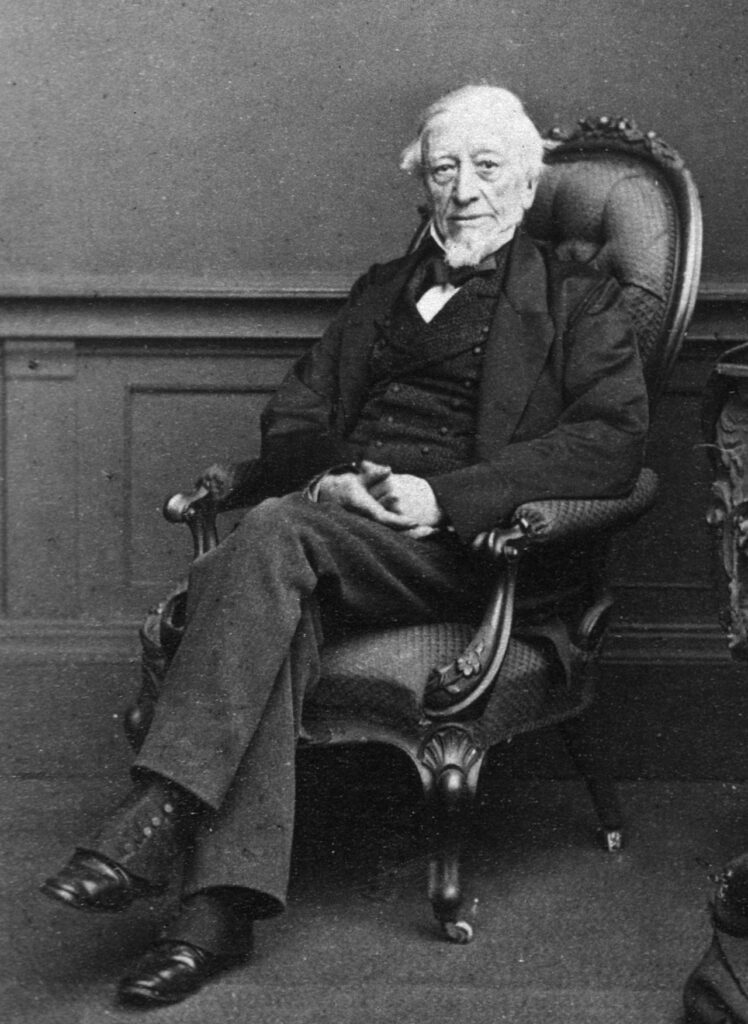
Peter Mark Roget was born on January 18, 1779. While he spent much of his career as a successful doctor and scientist, he began compiling a comprehensive list of words as early as 1805. This hobby served as a personal coping mechanism for his lifelong struggles with depression. By organizing words into specific categories based on their meanings rather than an alphabetical list, he created a unique system to help people express complex ideas with more precision.
Roget did not publish his work until after his retirement from medicine. The first edition, titled “Thesaurus of English Words and Phrases,” was released in 1852 with approximately 15,000 words. Unlike modern versions that primarily list synonyms, Roget’s original volume was a classification of ideas intended to assist in literary composition. The book has remained in print ever since and has evolved into one of the most widely used reference tools in the English language.
Why is National Thesaurus Day important?
This day highlights the depth and variety of the English language. It serves as a reminder that communication is more effective when writers and speakers choose the most accurate words for their message. Using a thesaurus helps prevent the repetitive use of common terms, allowing for more creative and engaging expression in everything from professional emails to personal letters.

National Word Nerd Day
Beyond simple word replacement, the holiday emphasizes the cognitive benefits of expanding one’s vocabulary. Learning new synonyms allows people to understand subtle nuances between similar concepts. It encourages a more thoughtful approach to language, where the goal is clarity and impact. This annual observance ensures that the legacy of Peter Mark Roget and the utility of his “treasure house” of words continue to be recognized by students and professionals alike.
- The holiday encourages people to explore new ways to describe their experiences.
- Using varied vocabulary can make school papers and resumes more professional.
- It celebrates the history of lexicography and the evolution of language.
- Finding the right word can help resolve misunderstandings in conversation.
- The day honors the intellectual curiosity of Peter Mark Roget.
How to Celebrate National Thesaurus Day
Make it yours
How would you like to spend National Thesaurus Day?
Tick what fits you, and we will put together ideas made for this day — not for any day.
One practical way to mark the occasion is to intentionally replace overused words in a piece of writing. Many people rely on basic adjectives like good or bad when more descriptive options like exemplary or detrimental would be more fitting. Opening a physical or digital thesaurus to find these alternatives can instantly improve the quality of a draft. It is also a good time to look up the origins of favorite words to see how their meanings have shifted over centuries.
Playing word games with friends or family provides a fun way to engage with the holiday. Games like “Synonym Scavenger Hunt” or word association challenges test how quickly a person can recall related terms. For those who enjoy a creative task, rewriting a well-known nursery rhyme or song lyric using only complex synonyms can result in humorous and educational outcomes. Sharing these word-based activities helps spread an appreciation for the richness of English.
- Look up three new synonyms for a word you use every day.
- Give a physical copy of a thesaurus as a gift to a student or writer.
- Challenge yourself to describe your day without using the same adjective twice.
- Try a crossword puzzle to test your knowledge of similar word meanings.
- Read about the life of Peter Mark Roget to learn about his scientific contributions.
National Thesaurus Day Dates Table
| Year | Date | Day |
|---|---|---|
| 2026 | January 18 | Sunday |
| 2027 | January 18 | Monday |
| 2028 | January 18 | Tuesday |
| 2029 | January 18 | Thursday |
| 2030 | January 18 | Friday |
Big Word Day
Dictionary Day
Sorry to hear you didn't enjoy this article...
Help us make it better!