
National Urban Beekeeping Day
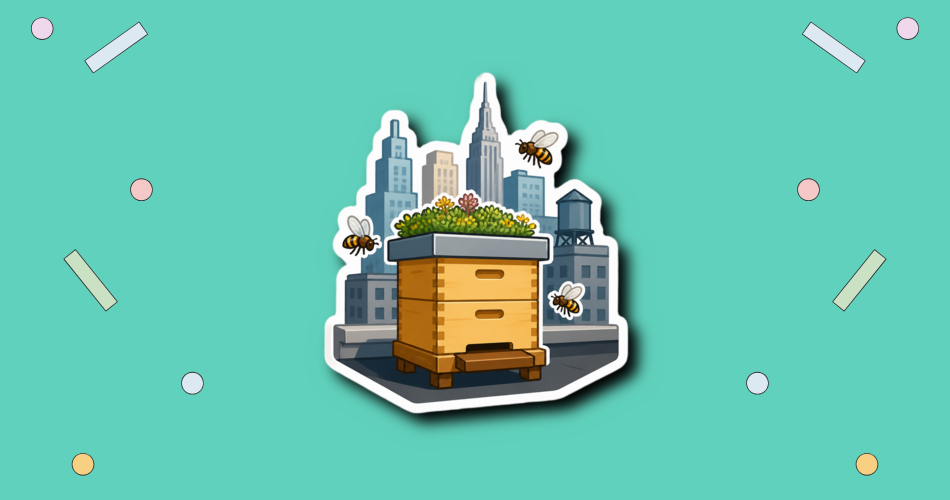
National Urban Beekeeping Day is celebrated every July 19. In 2027, this date falls on a Monday. The day highlights the practice of keeping bee colonies in towns and cities and encourages support for urban beekeepers, community apiaries, and pollinator-friendly planting. Urban beekeeping draws interest from gardeners, educators, restaurant and food producers, and anyone who wants to help local ecosystems while enjoying locally produced honey.
Contents
HT Meter
Does this day matter to you?
Tap the meter if it does, and say whether you will be celebrating — that is what opens the wishes from everybody else who will be.
This day matters to me
0 Be the first to say so
Just getting started
0 Let others know you’re in.
Wishes, greetings and stories
Join the celebration to share a wish, a greeting, or how this day goes in your house.
These are kept for the people celebrating this day. Say you will be celebrating to read them and to add your own.
You have already shared something here recently.
Nothing here yet. Yours would be the first.
History of National Urban Beekeeping Day
National Urban Beekeeping Day was launched in December 2019 by Detroit Hives, a nonprofit that converts vacant lots into pollinator-friendly spaces to support bee colonies and sustainable local communities. The observance was created to raise awareness of the role bees play in urban ecosystems and to promote education and resources for backyard and rooftop beekeepers.
After the founding announcement, interest in formal recognition spread. In 2019 a Michigan state representative introduced a bill proposing July 19 as National Urban Beekeeping Day in that state. The holiday’s early organizers aimed to use the date to spotlight the environmental and community benefits that urban apiaries provide.
Why is National Urban Beekeeping Day important?
The day draws attention to how urban beekeeping supports biodiversity and local food systems. Urban colonies often have access to diverse flowering plants and fewer agricultural pesticides than some rural locations, which can contribute to healthier bees. City bees help pollinate parks, community gardens, and small urban farms, strengthening urban green spaces and local produce availability.
World Honey Bee Day
National Urban Beekeeping Day also encourages responsible practices and public understanding. Many cities previously discouraged or banned beekeeping because of concerns about swarming and stings; the observance helps shift conversations toward education, safe hive management, and sensible local rules that protect both people and pollinators.
- Highlights the pollination services bees provide in city landscapes
- Promotes local honey production and small-scale food resilience
- Encourages planting of pollinator-friendly gardens and green roofs
- Supports educational programs for schools and community groups
- Advances policies that balance beekeeping with public safety
How to Celebrate National Urban Beekeeping Day
Make it yours
How would you like to spend National Urban Beekeeping Day?
Tick what fits you, and we will put together ideas made for this day — not for any day.
Celebrate by learning and by taking small, practical steps that help pollinators where you live. Visit a local urban apiary or community garden, attend a workshop from a beekeeping association, or invite a beekeeper to speak at a school or neighborhood event. Sharing photos and information about city bees helps spread awareness and builds community support.
You can also make changes at home and in your neighborhood to create better forage and habitat. Plant a variety of flowering species that bloom across seasons, reduce or eliminate pesticide use, and consider supporting local beekeepers by buying their honey or volunteering with a nonprofit that maintains urban hives. Small, consistent actions by many people add up to measurable benefits for urban pollinators.
- Visit or volunteer at an urban apiary or community hive
- Plant a bee-friendly garden with native and nectar-rich flowers
- Attend a beekeeping workshop or invite a beekeeper to give a talk
- Buy honey or other products from local urban beekeepers
- Advocate for sensible hive registration and pollinator-friendly city policies
National Urban Beekeeping Day Dates
| Year | Date | Day of the week |
|---|---|---|
| 2026 | July 19 | Sunday |
| 2027 next | July 19 | Monday |
| 2028 | July 19 | Wednesday |
| 2029 | July 19 | Thursday |
| 2030 | July 19 | Friday |