


National Whistleblower Day

National Whistleblower Day is observed annually on July 30. In 2027, this date falls on a Friday. The day honors individuals who report fraud, waste, abuse, and corruption, and it commemorates the first U.S. law protecting whistleblowers, passed by the Continental Congress in 1778.
Contents
HT Meter
Does this day matter to you?
Tap the meter if it does, and say whether you will be celebrating — that is what opens the wishes from everybody else who will be.
This day matters to me
0 Be the first to say so
Just getting started
0 Let others know you’re in.
Wishes, greetings and stories
Join the celebration to share a wish, a greeting, or how this day goes in your house.
These are kept for the people celebrating this day. Say you will be celebrating to read them and to add your own.
You have already shared something here recently.
Nothing here yet. Yours would be the first.
History of National Whistleblower Day
The origins of National Whistleblower Day trace back to 1777, when Lieutenant Richard Marven and midshipman Samuel Shaw of the Continental Navy, along with eight other sailors, reported abuses against British prisoners by Commodore Esek Hopkins. In retaliation, Hopkins had Marven and Shaw jailed. The sailors petitioned Congress, and on July 30, 1778, the Continental Congress unanimously passed the world's first whistleblower protection law, declaring it the duty of all Americans to report misconduct, frauds, or misdemeanors to proper authorities.
In modern times, the U.S. Senate first recognized National Whistleblower Day in 2013. Since then, both the Senate and the House of Representatives have passed resolutions each year designating July 30 as National Whistleblower Appreciation Day. The day has not been permanently designated as a federal holiday but is commemorated annually with events on Capitol Hill and elsewhere.
Why is National Whistleblower Day important?
Whistleblowers play a crucial role in maintaining the integrity and safety of communities by exposing wrongdoing that might otherwise remain hidden. Their actions protect consumers, taxpayers, and the general public from fraud, abuse, and waste in both the public and private sectors. Despite legal protections, whistleblowers often face retaliation, legal battles, and personal hardship, making recognition and support essential.
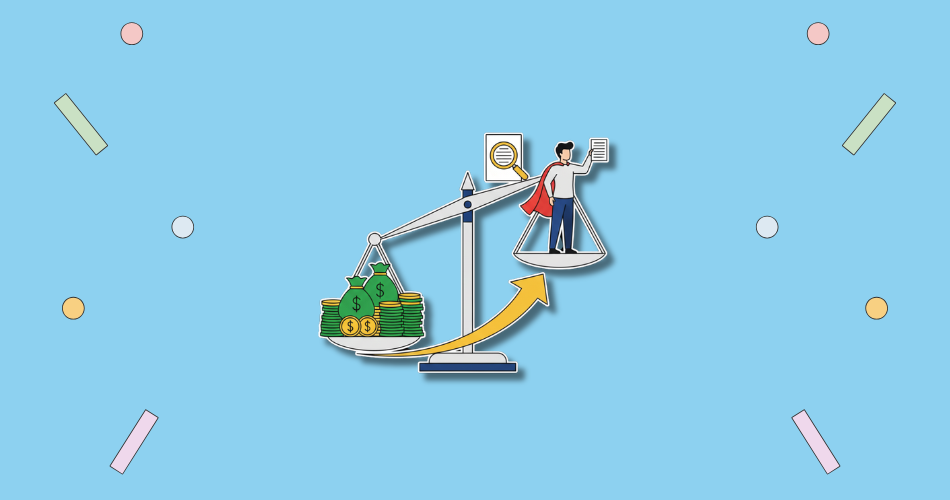
National Whistleblower Reward Day
The day also highlights the historical significance of whistleblowing as a fundamental American value, rooted in the Founding Fathers' belief that citizens have a duty to report corruption. Notable whistleblowers include Mark Felt (Deep Throat), who helped expose the Watergate scandal; Frank Serpico, who reported corruption in the NYPD; and Peter Buxtun, who raised concerns about the Tuskegee Syphilis Experiment.
- Learn about the protections in place for whistleblowers, such as the False Claims Act and Dodd-Frank Act.
- Review your company or organization's ethics policies to understand reporting procedures.
- Read books or watch documentaries on whistleblowing, such as Silenced directed by James Spione or Crisis of Conscience by Tom Mueller.
- Use #NationalWhistleblowerDay on social media to share information and show support.
- Attend events hosted by organizations like the National Whistleblower Center, which holds annual celebrations on Capitol Hill.
How to Celebrate National Whistleblower Day
Make it yours
How would you like to spend National Whistleblower Day?
Tick what fits you, and we will put together ideas made for this day — not for any day.
Celebrate National Whistleblower Day by expressing gratitude to those who have come forward to expose wrongdoing. Consider writing a letter of thanks to a known whistleblower or donating to organizations that support whistleblowers, such as the National Whistleblower Center. Hosting a discussion or film screening about whistleblowing can also raise awareness in your community.
Another way to celebrate is by educating yourself and others about the history and importance of whistleblowing. Read about the first whistleblowers in U.S. history, such as Marven and Shaw, or explore the stories of modern whistleblowers like Sherron Watkins of Enron. Sharing these stories on social media helps amplify the message that whistleblowing is a courageous act that benefits society.
National Whistleblower Day Dates
| Year | Date | Day of the week |
|---|---|---|
| 2026 | July 30 | Thursday |
| 2027 next | July 30 | Friday |
| 2028 | July 30 | Sunday |
| 2029 | July 30 | Monday |
| 2030 | July 30 | Tuesday |

Sorry to hear you didn't enjoy this article...

National Report IRS Tax Fraud Day
Help us make it better!