
Neurofibromatosis Awareness Day
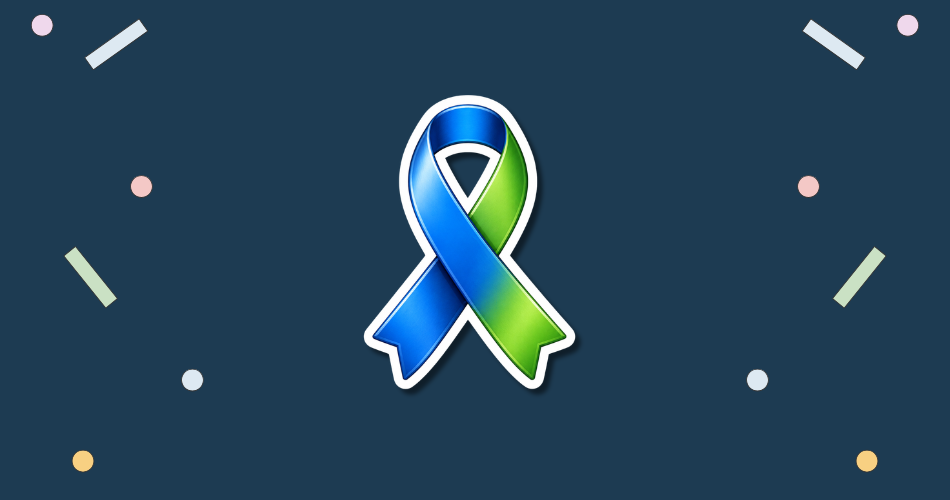
Neurofibromatosis Awareness Day is observed every year on May 17. In 2027, this date falls on a Monday. The day raises awareness of neurofibromatosis, often shortened to NF, a group of genetic conditions that can cause tumors to grow on nerves throughout the body. It is an awareness-based observance connected with education, patient support, research, and visibility for people affected by NF. Many awareness efforts take place during May, including wearing blue and green, sharing personal stories, and lighting buildings or landmarks for NF. 1 2 3
Contents
HT Meter
Does this day matter to you?
Say that it does, and say whether you will be marking it. Both are anonymous to nobody but kind to everybody.
This day matters to me
0 Be the first to say so
Quietly remembered
0 Nobody has said so yet
Notes of remembrance
Join those marking this day to share a word, a memory, or the reason it matters to you.
These notes are kept for the people marking this day. Say you will be marking it to read them and to leave your own.
You have already shared a note here recently.
No notes yet. Yours would be the first.
History of Neurofibromatosis Awareness Day
Neurofibromatosis Awareness Day is now widely connected with May 17 and with the broader observance of NF Awareness Month in May. The day is often referred to as World NF Awareness Day, reflecting its use by advocacy organizations and patient communities beyond one country. Current awareness campaigns focus on making NF more visible, supporting families, improving public understanding, and encouraging research into better treatments. The modern observance is especially associated with public education and the “Shine a Light” style of awareness activity, in which buildings, homes, and landmarks are lit in awareness colors.
The condition behind the day has a long medical and personal history for families affected by it. NF includes neurofibromatosis type 1, NF2-related schwannomatosis, and schwannomatosis, though these conditions can differ in symptoms, severity, and age of diagnosis. NF can affect the brain, spine, skin, bones, hearing, vision, learning, pain, and other parts of daily health. Because symptoms can vary so widely, awareness work helps move the public conversation beyond visible signs and toward a fuller understanding of the medical, emotional, and practical challenges people may face.
Why is Neurofibromatosis Awareness Day important?
Neurofibromatosis Awareness Day matters because NF is often misunderstood, underrecognized, or invisible to people outside the affected community. Some people live with visible tumors or skin changes, while others experience pain, hearing loss, learning challenges, or other symptoms that may not be obvious. Awareness can help families explain the condition, encourage earlier conversations with health professionals, and reduce the isolation that can come with a rare or complex diagnosis. It also gives patient organizations a clear date for education, fundraising, advocacy, and support.
National Fibromyalgia Awareness Day
The day also points attention toward research and long-term care. NF is genetic and is not contagious, but its effects can be unpredictable from one person to another. Ongoing medical monitoring, specialist care, and family support may be important parts of living with the condition. By focusing public attention on NF, the observance helps connect medical science with real people whose needs include information, dignity, practical help, and hope for better treatments.
- It helps more people learn what NF is.
- Families can share experiences without having to explain everything alone.
- Public awareness may support earlier recognition of symptoms.
- Fundraising efforts can help research and patient programs.
- Visibility shows people with NF that their experiences matter.
How to Observe Neurofibromatosis Awareness Day
Make it yours
How would you like to spend Neurofibromatosis Awareness Day?
Tick what fits you, and we will put together ideas made for this day — not for any day.
Wear blue and green on May 17, share accurate information about NF, or take a few minutes to learn the differences among NF1, NF2-related schwannomatosis, and schwannomatosis. People who are comfortable doing so may share a personal story, photo, or message about living with NF or supporting someone who does. Local groups, schools, workplaces, and community organizations can use the day to pass along reliable educational materials. A simple post, conversation, or display can help someone hear about NF for the first time.
A more community-focused observance can include supporting a patient organization, joining an awareness walk or challenge, or asking a local building to light up in NF awareness colors. Families may also use the day privately, by checking in with one another, organizing medical records, or connecting with support resources. Because NF affects people differently, the most respectful approach is to listen first and avoid assumptions about what someone’s diagnosis means. Awareness is strongest when it combines facts with empathy.
- Wear blue and green.
- Share one clear NF fact online.
- Read a patient story from a trusted organization.
- Donate to NF research or family support work.
- Ask a local landmark to light up for NF.
Neurofibromatosis Awareness Day Dates
| Year | Date | Day of the week |
|---|---|---|
| 2026 | May 17 | Sunday |
| 2027 next | May 17 | Monday |
| 2028 | May 17 | Wednesday |
| 2029 | May 17 | Thursday |
| 2030 | May 17 | Friday |
Sorry to hear you didn't enjoy this article...
Necrotizing Fasciitis Awareness Day
Help us make it better!