
Nigeria Independence Day
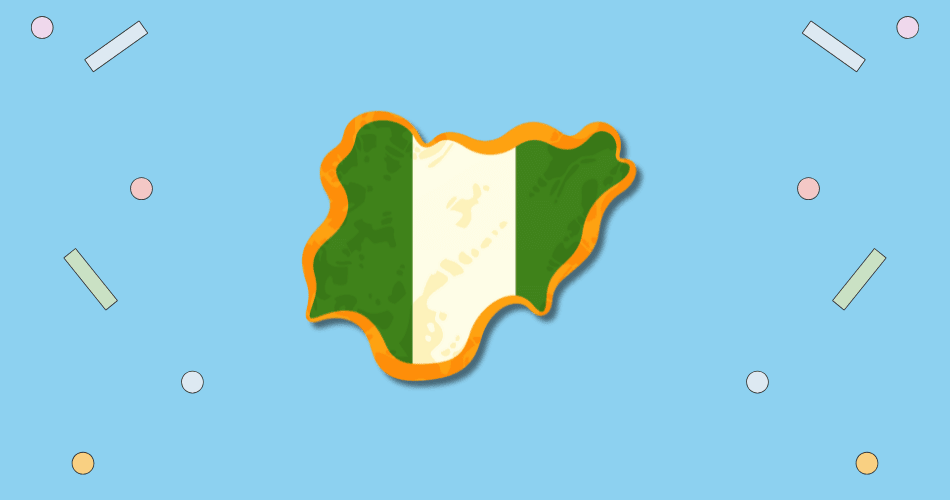
Nigeria Independence Day is observed October 1 each year. In 2026, this date falls on a Thursday. It marks Nigeria’s independence from British colonial rule, which was achieved on October 1, 1960.
Contents
HT Meter
Does this day matter to you?
Tap the meter if it does, and say whether you will be celebrating — that is what opens the wishes from everybody else who will be.
This day matters to me
0 Be the first to say so
Just getting started
0 Let others know you’re in.
Wishes, greetings and stories
Join the celebration to share a wish, a greeting, or how this day goes in your house.
These are kept for the people celebrating this day. Say you will be celebrating to read them and to add your own.
You have already shared something here recently.
Nothing here yet. Yours would be the first.
History of Nigeria Independence Day
In the mid-20th century, the people of Nigeria pushed increasingly for self-government. Constitutional reforms during the 1940s and 1950s gradually expanded Nigerian participation in governance. Nationalist movements gained momentum under leaders such as Nnamdi Azikiwe, Obafemi Awolowo, and Ahmadu Bello, who campaigned for full independence.
On October 1, 1960, Nigeria formally gained independence from the United Kingdom. On that day, symbols of colonial governance were replaced, including the lowering of the Union Jack and raising of Nigeria’s new green-white-green flag. Independence Day has since been a major annual national holiday, celebrated across the country.
Why is Nigeria Independence Day important?
This day is deeply meaningful because it marks not only political freedom, but also the beginning of Nigeria’s journey as a sovereign nation, capable of forming its own path. It’s a reminder of struggle, sacrifice, and determination by many people over many years who wanted self-rule. The sense of identity, pride, and unity that comes with the holiday makes it a powerful force for national cohesion.
Independence Day in Cameroon
Moreover, it’s an opportunity to reflect on how far the country has come and how much remains to be done. It’s a time when citizens can both celebrate achievements and critique current challenges — governance, economy, social welfare — with a view toward progress and inclusion.
- because it honors those who fought for independence
- because it helps reinforce national identity and solidarity
- because it allows celebrations of culture and shared history
- because it offers a chance to reflect on both achievements and ongoing challenges
- because it brings together people across regions to celebrate together
How to Celebrate Nigeria Independence Day
Make it yours
How would you like to spend Nigeria Independence Day?
Tick what fits you, and we will put together ideas made for this day — not for any day.
Celebrations typically involve official ceremonies: flag raising, speeches from government leaders, cultural performances, parades and public gatherings. Many people wear clothing in the national colors (green and white), share meals, listen to patriotic music, dance, and attend events that show cultural heritage.
Beyond official acts, everyday people might celebrate by gathering with family and friends, sharing traditional foods, recounting stories of independence, or even volunteering for community events. It’s a day of joy but also of remembrance — of roots, struggles, hopes.
- dress in green and white or national colors
- attend (or watch) flag-raising and official speeches
- enjoy traditional music and dance performances
- cook or share Nigerian cuisine with friends or family
- talk about the history, teach younger generations what it meant
Nigeria Independence Day Dates Table
| Year | Date | Day |
|---|---|---|
| 2026 | October 1 | Thursday |
| 2027 | October 1 | Friday |
| 2028 | October 1 | Sunday |
| 2029 | October 1 | Monday |
| 2030 | October 1 | Tuesday |
Sorry to hear you didn't enjoy this article...
Ghana Independence Day
Help us make it better!