

Pet Birth Defect Awareness Day
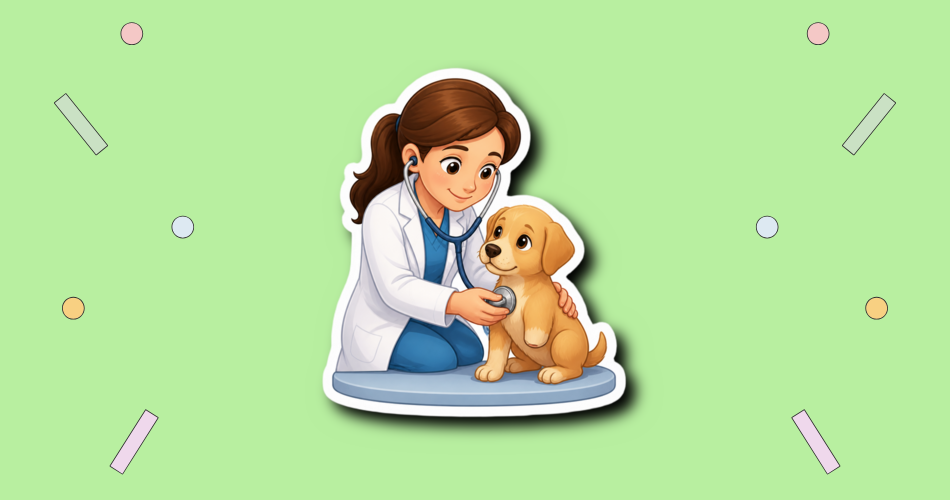
Pet Birth Defect Awareness Day is observed every September 13. In 2027, this date falls on a Monday. This day shines a light on congenital conditions in pets and their impact on animal welfare, encouraging pet owners and veterinarians to learn more about prevention, early detection, and compassionate care for affected animals.
Contents
HT Meter
Does this day matter to you?
Say that it does, and say whether you will be marking it. Both are anonymous to nobody but kind to everybody.
This day matters to me
0 Be the first to say so
Quietly remembered
0 Nobody has said so yet
Notes of remembrance
Join those marking this day to share a word, a memory, or the reason it matters to you.
These notes are kept for the people marking this day. Say you will be marking it to read them and to leave your own.
You have already shared a note here recently.
No notes yet. Yours would be the first.
History of Pet Birth Defect Awareness Day
Pet Birth Defect Awareness Day was established to address the lack of public knowledge about congenital anomalies in companion animals. Birth defects can affect any breed or species, from dogs and cats to rabbits and reptiles, and may involve the heart, spine, or other organs. The day aims to reduce stigma and promote understanding that many pets with birth defects can live happy, fulfilling lives with proper medical support.
Over time, veterinary organizations and animal welfare groups have embraced the day as an opportunity to share resources and research. By focusing on education, the observance encourages responsible breeding practices and helps pet parents recognize early signs of congenital issues. The day also highlights the importance of regular veterinary checkups, which can catch problems that might otherwise go unnoticed until they become serious.
Why is Pet Birth Defect Awareness Day important?
Pet Birth Defect Awareness Day matters because many pet owners are unaware that birth defects are relatively common in animals. Conditions such as cleft palates, heart murmurs, and hip dysplasia can be managed or treated, but only if they are diagnosed early. Raising awareness helps ensure that affected pets receive the care they need rather than being overlooked or surrendered.
National Specially-Able Pets Day
The day also draws attention to the ethical responsibilities of breeders and pet sellers. By promoting education about genetic testing and selective breeding, the observance aims to reduce the incidence of preventable birth defects. For pet owners, understanding the potential for congenital conditions can lead to more informed decisions when adopting or purchasing a pet.
- Learn about common birth defects in dogs, cats, and other pets from reputable veterinary sources.
- Schedule a wellness exam for your pet to check for any hidden congenital issues.
- Share information on social media using the hashtag #PetBirthDefectAwarenessDay.
- Support animal shelters and rescue groups that care for pets with special needs.
- Talk to your veterinarian about genetic testing if you are planning to breed your pet.
How to Observe Pet Birth Defect Awareness Day
Make it yours
How would you like to spend Pet Birth Defect Awareness Day?
Tick what fits you, and we will put together ideas made for this day — not for any day.
Observing Pet Birth Defect Awareness Day involves taking time to educate yourself and others about congenital conditions in pets. You can start by reading articles or watching videos from veterinary professionals that explain common defects and their treatments. Many veterinary clinics offer free or discounted checkups on this day, making it easier for pet owners to get their animals evaluated.
Another meaningful way to observe is by donating to organizations that fund research into pet birth defects or that provide financial assistance for surgeries and therapies. If you have a pet with a birth defect, consider sharing your story to inspire others and show that these animals can thrive. Even small actions, like talking to a friend about the day, help spread awareness and improve outcomes for pets everywhere.
- Read up on specific birth defects such as patent ductus arteriosus or portosystemic shunts.
- Volunteer at a local rescue that specializes in special-needs animals.
- Make a donation to a veterinary research fund focused on congenital conditions.
- Create a care package for a pet with a birth defect in your community.
- Host a small educational gathering or online webinar about pet health.
Pet Birth Defect Awareness Day Dates
| Year | Date | Day of the week |
|---|---|---|
| 2026 | September 13 | Sunday |
| 2027 next | September 13 | Monday |
| 2028 | September 13 | Wednesday |
| 2029 | September 13 | Thursday |
| 2030 | September 13 | Friday |

Sorry to hear you didn't enjoy this article...

National Cat & Dog Gut Health Awareness Day
Help us make it better!