




Pidjiguiti Day
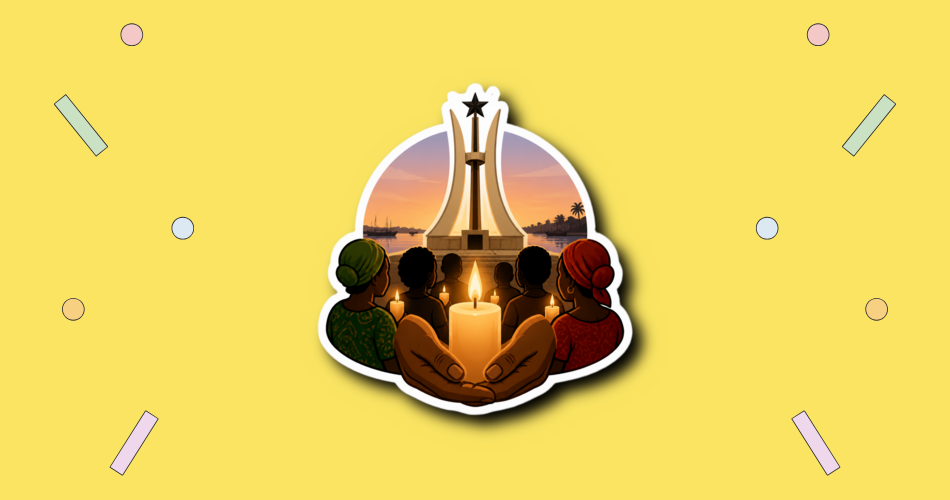
Pidjiguiti Day is observed annually on August 3. In 2027, this date falls on a Tuesday. This national holiday in Guinea-Bissau commemorates the Pidjiguiti massacre of 1959, when Portuguese colonial police opened fire on striking dockworkers at the Port of Bissau. The day serves as a solemn reminder of the sacrifices made in the struggle for independence and workers' rights.
Contents
HT Meter
Does this day matter to you?
Tap the meter if it does, and say whether you will be celebrating — that is what opens the wishes from everybody else who will be.
This day matters to me
0 Be the first to say so
Just getting started
0 Let others know you’re in.
Wishes, greetings and stories
Join the celebration to share a wish, a greeting, or how this day goes in your house.
These are kept for the people celebrating this day. Say you will be celebrating to read them and to add your own.
You have already shared something here recently.
Nothing here yet. Yours would be the first.
History of Pidjiguiti Day
Guinea-Bissau was under Portuguese colonial rule from the 19th century. In the 1950s, a wave of independence movements swept across Africa, and Guinea-Bissau was no exception. In 1956, Amílcar Cabral founded the African Party for the Independence of Guinea and Cape Verde (PAIGC). The party initially favored nonviolent resistance, and its first major action was to organize a strike for better pay at the Pidjiguiti Docks of the Port of Bissau.
On August 3, 1959, a large number of dockworkers gathered to support the strike and took control of the port to prevent operations. Security forces attempted to recapture the port, and when they broke through the gate, the Portuguese International and State Defense Police (PIDE) opened fire, killing at least 50 people and injuring hundreds more. Many protesters were arrested and tortured. The massacre marked a turning point, leading the PAIGC to abandon nonviolent tactics and launch an armed struggle in 1963, which eventually resulted in Guinea-Bissau's independence in 1974.
Why is Pidjiguiti Day important?
Pidjiguiti Day honors the memory of the dockworkers and protesters who lost their lives fighting for fair wages and freedom from colonial oppression. The massacre exposed the brutality of Portuguese rule and galvanized the independence movement, making it a pivotal moment in the nation's history. The day also serves as a reminder of the ongoing struggle for social justice and workers' rights globally.

Guinea Independence Day
Additionally, the holiday reflects the resilience of the Guinean people and their determination to achieve self-determination. It is a time for national reflection on the costs of colonialism and the value of sovereignty. The day reinforces the importance of peaceful protest even when met with violence, and it celebrates the eventual triumph of independence.
- Commemorates the Pidjiguiti massacre, a key event in Guinea-Bissau's independence struggle.
- Honors the sacrifices of the dockworkers and other victims of colonial repression.
- Marks the shift from nonviolent protest to armed resistance that led to independence.
- Serves as a national day of mourning and remembrance for those who died.
- Reinforces the values of workers' rights and freedom from oppression.
How to Celebrate Pidjiguiti Day
Make it yours
How would you like to spend Pidjiguiti Day?
Tick what fits you, and we will put together ideas made for this day — not for any day.
On Pidjiguiti Day, people in Guinea-Bissau typically light candles or participate in torchlight processions to honor the victims. The president delivers a solemn speech broadcast on national television, often reflecting on the events of 1959 and the country's progress since independence. A nationwide five-minute period of silence is observed, allowing citizens to pay their respects.
Many families gather to share stories of the struggle and to educate younger generations about the nation's history. Schools and community organizations hold events that focus on the themes of justice, freedom, and remembrance. The day is also a public holiday, giving people time to reflect and participate in local commemorations.
- Light candles or join a torchlight procession.
- Watch the president's televised speech.
- Observe the official five-minute silence at noon.
- Attend community gatherings or educational events about the independence movement.
- Share stories of the 1959 massacre with family and friends.
Pidjiguiti Day Dates
| Year | Date | Day of the week |
|---|---|---|
| 2026 | August 3 | Monday |
| 2027 next | August 3 | Tuesday |
| 2028 | August 3 | Thursday |
| 2029 | August 3 | Friday |
| 2030 | August 3 | Saturday |
Sorry to hear you didn't enjoy this article...

Commemoration of the Batepá Massacre
Help us make it better!