

Real Food Day
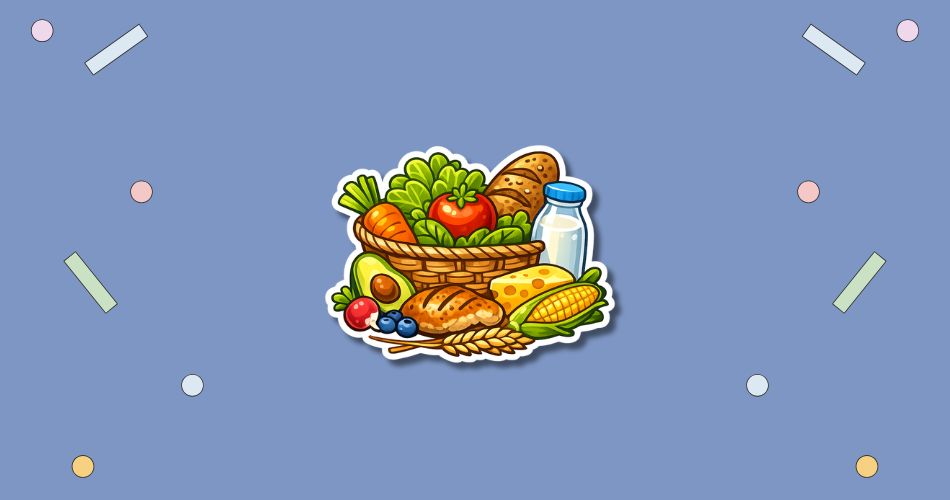
Real Food Day is observed every year on June 19. In 2027, this date falls on a Saturday. The day focuses on choosing whole and minimally processed foods instead of highly processed convenience foods. It connects everyday meals with clearer food labels, basic cooking, fresh ingredients, and a more active lifestyle. Real Food Day is also an awareness day, so the tone is practical rather than purely festive: it asks people to think about what they eat and how food choices affect long-term health. 1
Contents
See also: World Food Day, National Food Day, National Eat Your Vegetables Day, Eat More Fruits and Vegetables Day
HT Meter
Does this day matter to you?
Say that it does, and say whether you will be marking it. Both are anonymous to nobody but kind to everybody.
This day matters to me
0 Be the first to say so
Quietly remembered
0 Nobody has said so yet
Notes of remembrance
Join those marking this day to share a word, a memory, or the reason it matters to you.
These notes are kept for the people marking this day. Say you will be marking it to read them and to leave your own.
You have already shared a note here recently.
No notes yet. Yours would be the first.
History of Real Food Day
Real Food Day was launched in 2019 by the Public Health Collaboration, a UK-based charity focused on metabolic health and nutrition education. The first campaign was tied to June 19 and promoted the idea that “real food” means foods close to their natural form, such as vegetables, fruit, meat, fish, dairy, eggs, beans, lentils, nuts, and other minimally processed ingredients. The campaign also drew a contrast between real food and highly processed foods, especially products made with large amounts of added sugar, refined starches, industrial oils, and additives.
National Food Day
The broader idea behind the day is older than the observance itself. Cooks, families, farmers, physicians, and nutrition educators have long talked about the value of meals built from recognizable ingredients. Today, Real Food Day is mainly used to encourage small, realistic changes: cooking more often, reading ingredient lists, reducing reliance on takeout and packaged snacks, and making food education easier for children and adults. It fits into a larger public conversation about ultra-processed foods and how modern eating habits shape health.
Why is Real Food Day important?
Real Food Day matters because food choices are made many times a day, often quickly and under pressure. The day gives people a plain-language way to compare a home-cooked meal, a simple packed lunch, or a bowl of fruit with products designed mainly for convenience and shelf life. It does not require perfection or a rigid diet. Instead, it puts attention on learning what is in food, choosing ingredients with fewer unnecessary additions, and making meals that feel practical for ordinary households.
The day is also useful because “healthy eating” can feel vague or confusing. Real Food Day narrows the idea to a concrete question: is this food close to the way it began, or has it been heavily manufactured? That question can help shoppers compare products, plan meals, and involve children in basic food skills. It also supports a wider health conversation about reducing highly processed foods while still respecting budgets, cultural food traditions, medical needs, and personal circumstances.
- It makes food choices easier to understand.
- It supports cooking with recognizable ingredients.
- It helps families talk about nutrition clearly.
- It draws attention to heavily processed foods.
- It connects meals with everyday wellbeing.
How to Observe Real Food Day
Make it yours
How would you like to spend Real Food Day?
Tick what fits you, and we will put together ideas made for this day — not for any day.
Let's All Eat Right Day
Start with one meal that can be made from simple ingredients. Breakfast might be eggs with vegetables, plain yogurt with fruit, oatmeal with nuts, or leftovers from a home-cooked dinner. Lunch could be a homemade soup, salad, rice bowl, bean dish, or sandwich made with ingredients that are easy to recognize. The goal is not to reject every packaged item, but to notice where whole foods can replace products that are high in added sugar, refined starches, or long ingredient lists.
Real Food Day can also be used for food education at home, school, or work. Read labels with children, compare a whole fruit with a fruit-flavored snack, or visit a farmers market to see seasonal ingredients. A workplace lunch-and-learn can focus on simple meal prep, affordable pantry staples, or realistic ways to reduce takeout during the week. People managing diabetes, heart disease, allergies, eating disorders, or other medical concerns should use the day as a prompt for informed choices, not as a substitute for professional care.
- Cook one meal from basic ingredients.
- Read the labels on three pantry items.
- Replace a sugary drink with water.
- Plan a simple packed lunch.
- Try one seasonal fruit or vegetable.
Real Food Day Dates
| Year | Date | Day |
|---|---|---|
| 2026 | June 19 | Friday |
| 2027 | June 19 | Saturday |
| 2028 | June 19 | Monday |
| 2029 | June 19 | Tuesday |
| 2030 | June 19 | Wednesday |

Cook it
Make something for Real Food Day
Tell us what you feel like making and what you have to work with, and we will write one recipe for it.