

Sovereignty Day of Montenegro
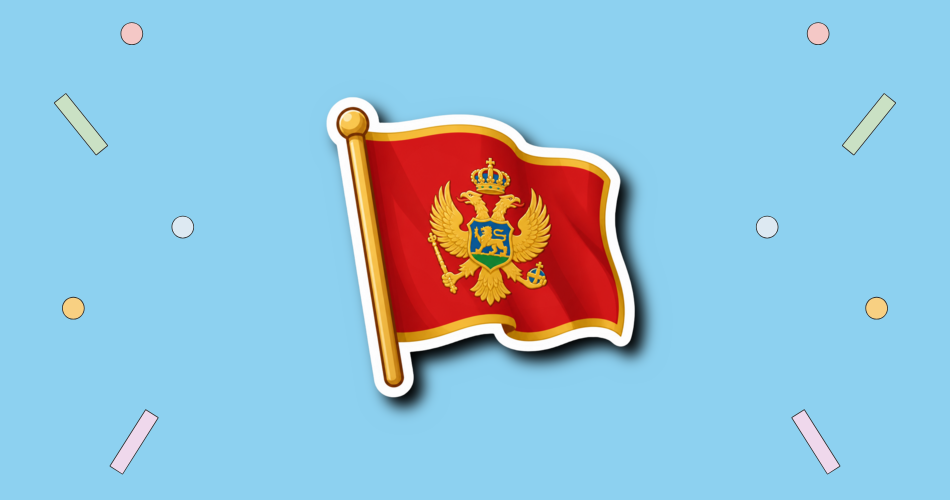
Sovereignty Day of Montenegro is celebrated on July 13. In 2027, this date falls on a Tuesday. This date marks a milestone in Montenegro’s long path to international recognition and is a day when people across the country take part in public events, cultural programs, and reflection on national history.
Contents
HT Meter
Does this day matter to you?
Tap the meter if it does, and say whether you will be celebrating — that is what opens the wishes from everybody else who will be.
This day matters to me
0 Be the first to say so
Just getting started
0 Let others know you’re in.
Wishes, greetings and stories
Join the celebration to share a wish, a greeting, or how this day goes in your house.
These are kept for the people celebrating this day. Say you will be celebrating to read them and to add your own.
You have already shared something here recently.
Nothing here yet. Yours would be the first.
History of Sovereignty Day of Montenegro
Montenegro’s claim to statehood stretches back through centuries of regional change. In 1878 the Congress of Berlin recognised Montenegro as an independent state, a turning point that the July 13 observance commemorates; that same calendar date is also remembered for the 1941 uprising against occupying forces during the Second World War. Over the twentieth century Montenegro’s status shifted again as it joined with Serbia and then became part of various Yugoslav configurations.
The twentieth and early twenty-first centuries brought further political change. Montenegro became a kingdom in 1910 and later entered a union with Serbia after the First World War. In 2006 a referendum restored Montenegro’s full independence as a modern state. The July 13 commemoration therefore blends a nineteenth‑century diplomatic milestone with twentieth‑century resistance and modern civic identity.
Why is Sovereignty Day of Montenegro important?
Sovereignty Day of Montenegro is important because it links distinct episodes of national history into a single public moment. The day recalls international recognition in 1878 while also connecting to the local memory of resistance during the Second World War, giving citizens multiple historical touchstones to consider.
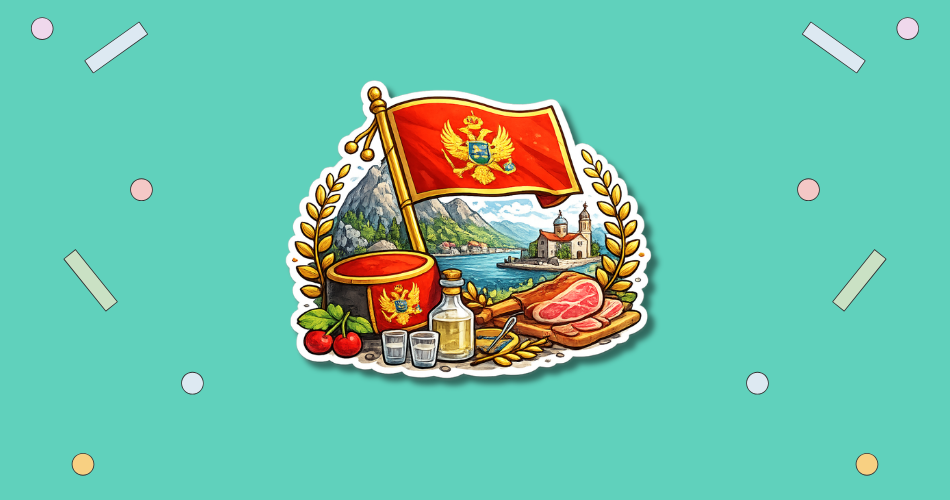
Independence Day in Montenegro
The holiday serves as a focal point for civic pride and cultural celebration. It is an occasion for public ceremonies, exhibitions, and community gatherings that highlight Montenegrin heritage and the continuity of the state across changing political circumstances.
- It commemorates Montenegro’s international recognition at the Congress of Berlin in 1878.
- It remembers the July 13, 1941 uprising against occupation during the Second World War.
- It reinforces the nation’s cultural traditions and historical symbols.
- It provides a shared public day for civic ceremonies and communal reflection.
- It supports local cultural institutions through exhibitions, concerts, and events.
How to Celebrate Sovereignty Day of Montenegro
Make it yours
How would you like to spend Sovereignty Day of Montenegro?
Tick what fits you, and we will put together ideas made for this day — not for any day.
Many Montenegrins mark the day with festivities that highlight local culture and community life. Municipal and national institutions often stage free public concerts, historical exhibitions, and official ceremonies. Restaurants and hospitality businesses commonly create special menus featuring traditional Montenegrin dishes, making the holiday a time for food and social gathering.
Visitors and residents can also use the day to explore local museums, attend performances by folk ensembles, or join civic flag‑raising events and speeches. Supporting local artisans and vendors at markets and cultural fairs helps link celebration to the living traditions of Montenegro.
- Eat traditional foods and regional specialties at local restaurants or family gatherings.
- Attend concerts, exhibitions, and cultural performances in towns and cities.
- Visit national and regional museums to see historical displays and documents.
- Take part in flag‑raising ceremonies and public commemorations in squares and civic spaces.
- Shop at craft markets and support Montenegrin producers and artisans.
Sovereignty Day of Montenegro Dates
| Year | Date | Day of the week |
|---|---|---|
| 2026 | July 13 | Monday |
| 2027 next | July 13 | Tuesday |
| 2028 | July 13 | Thursday |
| 2029 | July 13 | Friday |
| 2030 | July 13 | Saturday |
Sorry to hear you didn't enjoy this article...
Sovereignty Day in Slovenia
Help us make it better!