


Spoonerism Day

Spoonerism Day is celebrated on July 22. In 2027, this date falls on a Thursday. This lighthearted observance honors the amusing slips of the tongue known as spoonerisms and encourages people to laugh at mistakes, share wordplay, and play with language in classrooms, cafés, and online communities.
Contents
HT Meter
Does this day matter to you?
Tap the meter if it does, and say whether you will be celebrating — that is what opens the wishes from everybody else who will be.
This day matters to me
0 Be the first to say so
Just getting started
0 Let others know you’re in.
Wishes, greetings and stories
Join the celebration to share a wish, a greeting, or how this day goes in your house.
These are kept for the people celebrating this day. Say you will be celebrating to read them and to add your own.
You have already shared something here recently.
Nothing here yet. Yours would be the first.
History of Spoonerism Day
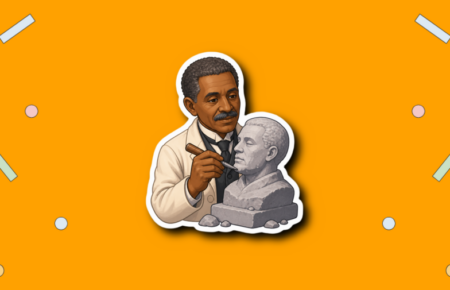
The name of the day comes from Reverend William Archibald Spooner, an Oxford academic and Anglican clergyman born on July 22, 1844, who became famous for mixing initial sounds in speech. Many of the famous examples attributed to him are thought to be apocryphal, yet his reputation for such slips made his name the label for the linguistic phenomenon.
Over time the term spoonerism entered popular culture as a handy label for transposed sounds and playful word swaps. The commemorative observance falls on Spooner’s birthdate; the modern holiday appears in online calendars and lifestyle sites that encourage people to celebrate language through challenges, readings, and light public events. There is no single founding organization recorded for the day.
Why is Spoonerism Day important?
Spoonerism Day matters because it invites a kinder response to everyday mistakes and highlights an accessible slice of how spoken language works. Slips of the tongue are common enough that turning them into a shared joke reduces embarrassment and opens room for creativity in conversation and writing.
International Tongue Twister Contest Day
The observance also has educational and linguistic value. Researchers and teachers use spoonerisms and related exercises to study phoneme awareness and to help learners segment sounds. Celebrating these playful errors supports literacy skills while making language study more inviting.
- It normalizes harmless speech errors and reduces self-consciousness about talking aloud.
- It provides a fun route into phonemic awareness and early reading activities.
- It encourages creativity in storytelling, comedy, and classroom exercises.
- It creates opportunities for community interaction through shared challenges and social posts.
- It supports independent bookstores, language teachers, and game makers who promote wordplay.
How to Celebrate Spoonerism Day
Make it yours
How would you like to spend Spoonerism Day?
Tick what fits you, and we will put together ideas made for this day — not for any day.
Make the day an excuse to laugh at language and try out spoonerisms with friends, family, or students. Social media tags and short video challenges are popular ways to share favorite examples, and independent bookstores or literary events sometimes highlight books, games, and activities about wordplay.
Businesses and schools can join in with simple, low-cost events that center on voice, listening, and humour. Bookstores might curate language and humor titles, cafés could create menu puns for the day, and teachers can build short classroom tasks or boards that invite students to invent safe, silly spoonerisms.
- Host a tongue-twister or spoonerism challenge and record attempts for laughs.
- Run a “Spoonerism of the Day” board at school, the library, or in a shop window.
- Read or write short fairy tales and swap initial sounds for comic effect.
- Offer small discounts on books about language, humor, or writing during the celebration.
- Use spoonerism prompts as warm-ups in creative writing or speech classes.
Spoonerism Day Dates
| Year | Date | Day of the week |
|---|---|---|
| 2026 | July 22 | Wednesday |
| 2027 next | July 22 | Thursday |
| 2028 | July 22 | Saturday |
| 2029 | July 22 | Sunday |
| 2030 | July 22 | Monday |
Sorry to hear you didn't enjoy this article...
Reading is Funny Day
Help us make it better!