


St. David’s Day
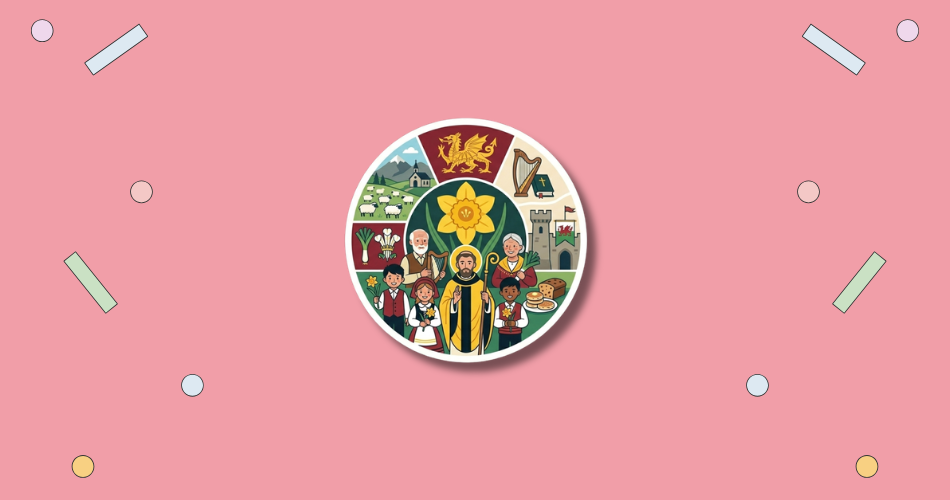
St. David’s Day (known in Welsh as Dydd Gŵyl Dewi Sant) is observed on March 1. In 2027, this date falls on a Monday. As the national day of Wales, it commemorates the life and legacy of St. David, the patron saint of the Welsh people, who died on this day in the year 589. It is a day of immense national pride, characterized by traditional music, the wearing of national symbols, and the celebration of Welsh culture and language.
Contents
HT Meter
Does this day matter to you?
Tap the meter if it does, and say whether you will be celebrating — that is what opens the wishes from everybody else who will be.
This day matters to me
0 Be the first to say so
Just getting started
0 Let others know you’re in.
Wishes, greetings and stories
Join the celebration to share a wish, a greeting, or how this day goes in your house.
These are kept for the people celebrating this day. Say you will be celebrating to read them and to add your own.
You have already shared something here recently.
Nothing here yet. Yours would be the first.
History of St. David’s Day
St. David was a Celtic priest and bishop born in the 6th century in Pembrokeshire. He was a central figure in the Welsh church during the “Age of Saints,” known for his ascetic lifestyle and his role in founding several monasteries, most notably the one that now houses St. David’s Cathedral. Legend attributes many miracles to him, the most famous being the ground rising beneath his feet during a sermon at Llanddewi Brefi to allow the crowd to hear him, while a white dove settled on his shoulder.
His canonization by Pope Callixtus II in 1120 established March 1 as a holy day. David’s final words to his followers—“Gwnewch y pethau bychain” (Do the little things)—have become a guiding maxim for Welsh identity, emphasizing that small acts of kindness and faithfulness define a meaningful life. While it is not a public holiday in the UK (despite ongoing petitions to the UK government), it is a day of significant cultural activity throughout Wales and among the Welsh diaspora worldwide.
Why is St. David’s Day important?
This day is the primary occasion for the global Welsh community to celebrate their distinct heritage. For a nation with a language and culture that have historically faced existential threats, St. David’s Day serves as an essential tool for cultural preservation. It provides a platform for the Welsh language (Cymraeg) to be highlighted in schools and public life, fostering a sense of continuity and belonging among younger generations.

St. Dwynwen's Day
The observance also honors the specific values associated with St. David: humility, peace, and environmental stewardship. Unlike many other national saints associated with military conquest, David is celebrated for his simplicity and his “water-drinker” lifestyle. This makes the day a celebration of character and community spirit. From a tourism and economic perspective, it draws global attention to Welsh arts, food, and history, showcasing the modern vitality of the country alongside its ancient traditions.
- The holiday is the most significant annual celebration of Welsh national identity.
- It promotes the use of the Welsh language, one of the oldest living languages in Europe.
- St. David’s Cathedral remains a major site of pilgrimage, as important as Rome in the Middle Ages.
- The observance strengthens ties between Wales and Welsh communities in the US, Canada, and Patagonia.
- It highlights Welsh culinary traditions, from Cawl to Welsh Cakes.
How to Celebrate St. David’s Day
Make it yours
How would you like to spend St. David's Day?
Tick what fits you, and we will put together ideas made for this day — not for any day.
The most visible way to celebrate is by pinning a leek or a daffodil to your clothing—the two national emblems of Wales. The leek’s association with the day dates back to a battle against the Saxons, where St. David reportedly advised Welsh soldiers to wear leeks in their hats to distinguish themselves from the enemy. Schools across Wales hold Eisteddfodau (cultural festivals), where children compete in poetry, singing, and recitation, often dressed in traditional Welsh costume (petticoats, aprons, and tall black hats).
Culinarily, the day is marked by eating Cawl (a hearty lamb and leek stew), Welsh Cakes (sweet griddle cakes with currants), and Rarebit. Major cities like Cardiff host large parades featuring dragons, flags, and performers. For those outside of Wales, many landmarks around the world are illuminated in yellow or red, and Welsh societies host dinners featuring choral singing—a nod to Wales’ reputation as the “Land of Song.”
- Wear a yellow daffodil or a green-and-white leek on your lapel.
- Bake a batch of traditional Welsh Cakes to share with friends.
- Fly the Flag of St. David (a yellow cross on a black background) or the Red Dragon.
- Learn a few phrases in Welsh, such as “Dydd Gŵyl Dewi Hapus” (Happy St. David’s Day).
- Listen to a Welsh male voice choir or contemporary Welsh music to celebrate the “Land of Song.”
St. David’s Day Dates Table
| Year | Date | Day |
|---|---|---|
| 2026 | March 1 | Sunday |
| 2027 | March 1 | Monday |
| 2028 | March 1 | Wednesday |
| 2029 | March 1 | Thursday |
| 2030 | March 1 | Friday |

Sorry to hear you didn't enjoy this article...

Saint George's Day
Help us make it better!