

St John’s Eve
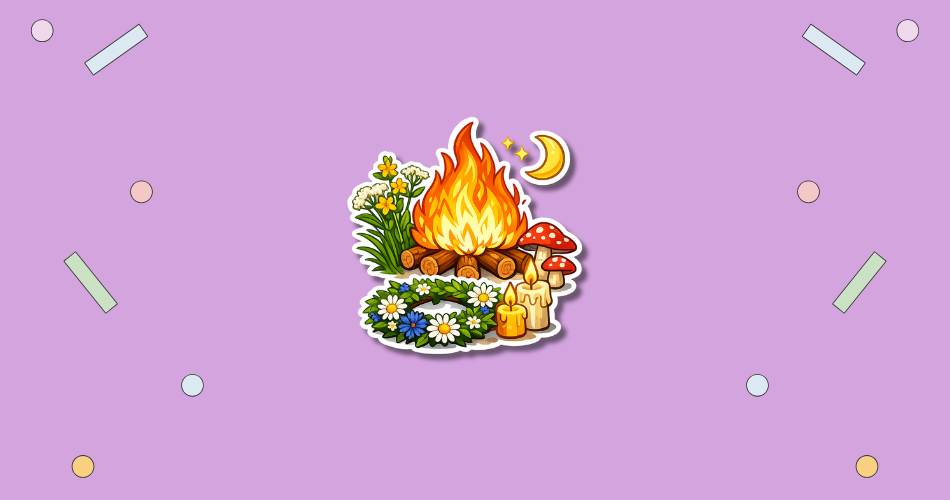
St John’s Eve is observed every year on June 23. In 2027, this date falls on a Wednesday. It is the evening before the Feast of St. John the Baptist on June 24, a Christian feast that became closely connected with midsummer customs in many places. The night is especially associated with bonfires, outdoor gatherings, songs, seasonal foods, and traditions involving water, herbs, and light. Although local customs vary widely, the day is best understood as both a religious vigil and a cultural midsummer observance. 1
Contents
See also: Kupala Night
HT Meter
Does this day matter to you?
Tap the meter if it does, and say whether you will be celebrating — that is what opens the wishes from everybody else who will be.
This day matters to me
0 Be the first to say so
Just getting started
0 Let others know you’re in.
Wishes, greetings and stories
Join the celebration to share a wish, a greeting, or how this day goes in your house.
These are kept for the people celebrating this day. Say you will be celebrating to read them and to add your own.
You have already shared something here recently.
Nothing here yet. Yours would be the first.
History of St John’s Eve
St John’s Eve developed around the Christian feast honoring the birth of John the Baptist, which is observed on June 24. Christian tradition places John’s birth six months before the birth of Jesus, which is why the feast falls six months before Christmas. In several European countries, the evening before the feast became a major part of the observance because celebrations traditionally began after sunset on June 23. Bonfires were already part of older midsummer customs in parts of Europe, and those customs were later connected with the Christian calendar.
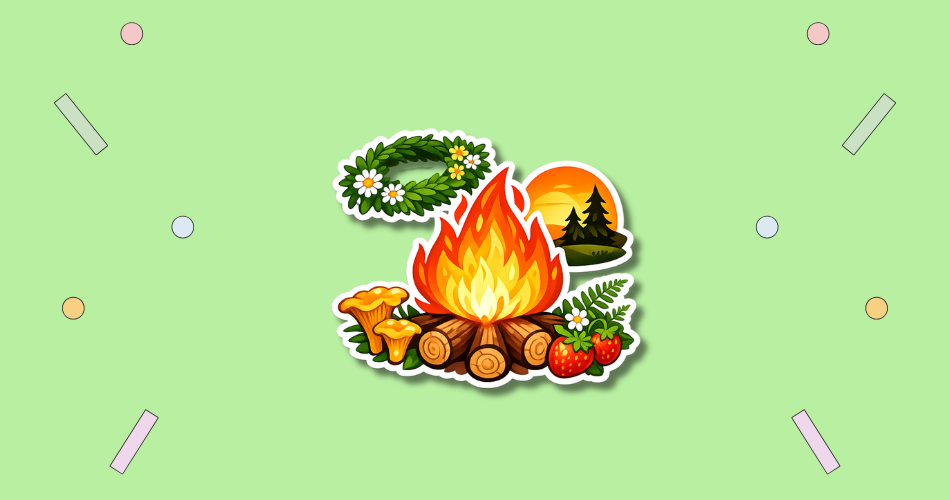
International St. Johns Day
The observance has never had one single form everywhere it is marked. In Denmark, it is known as Sankt Hans Aften and is connected with bonfires, speeches, and singing. In Spain, especially in Catalonia and other coastal regions, the night before June 24 is marked with fires, fireworks, food, and gatherings near the sea. In Ireland and other parts of Europe, St John’s Eve has also been associated with bonfire nights, seasonal rituals, and community celebrations around the turning point of summer.
Why is St John’s Eve important?
St John’s Eve matters because it preserves a layered tradition that joins religious meaning with seasonal life. For Christians, it points toward John the Baptist’s role as a prophet and forerunner. For many communities, it also marks the long light of midsummer and the social customs that grew around that time of year. Fire, water, music, and shared meals give the evening a distinctive place in local calendars.
The observance also shows how holidays can carry different meanings in different places without losing their central date. Some people approach it as a church-related vigil, while others know it mostly through cultural customs such as bonfires or late-night outdoor gatherings. That mix makes St John’s Eve useful for understanding how faith, folklore, climate, and community traditions can overlap. It is a reminder that seasonal observances often survive because families and towns keep adapting them.
- It connects the Feast of St. John the Baptist with midsummer customs.
- Bonfires give the evening a strong visual tradition.
- Local foods and songs keep regional identity alive.
- The date links Christian worship with seasonal change.
- Community gatherings help pass older customs to younger generations.
How to Celebrate St John’s Eve
Make it yours
How would you like to spend St John's Eve?
Tick what fits you, and we will put together ideas made for this day — not for any day.

Feast of Saint John
Light a safe outdoor fire where local rules allow, or use candles at home as a quieter nod to the evening’s fire traditions. Share a simple meal outdoors, listen to traditional midsummer songs, or read about how the day is marked in Denmark, Spain, Ireland, Lithuania, and other places. A walk near water also fits the character of the night, since rivers, seas, dew, and bathing customs appear in several local traditions. Anyone taking part in public celebrations should check local safety guidance, especially around bonfires and fireworks.
A more reflective approach can focus on the religious side of the date. Read about John the Baptist’s place in Christian tradition, attend a church service connected with the feast, or learn why his nativity is one of the few saintly births specially honored in the Christian calendar. Families can also use the evening to talk about seasonal customs and how older traditions change over time. The most fitting celebration is grounded in respect for local practice rather than copying rituals without context.
- Watch a community bonfire from a safe distance.
- Prepare a seasonal meal to share outdoors.
- Learn one midsummer song or folk custom.
- Read about John the Baptist before June 24.
- Take an evening walk near water or open sky.
St John’s Eve Dates
| Year | Date | Day of the week |
|---|---|---|
| 2026 | June 23 | Tuesday |
| 2027 next | June 23 | Wednesday |
| 2028 | June 23 | Friday |
| 2029 | June 23 | Saturday |
| 2030 | June 23 | Sunday |