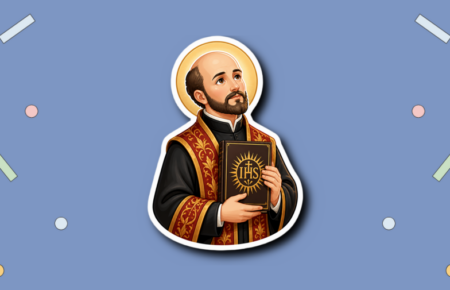

International St. Johns Day

International St. Johns Day is observed every year on June 24. In 2027, this date falls on a Thursday. The day honors the birth of Saint John the Baptist, a major figure in Christian tradition who is remembered as the forerunner of Jesus. It is connected with church liturgies, feast-day customs, and midsummer traditions in a number of countries. For many people, the day blends religious reflection with older seasonal practices tied to light, water, renewal, and community gatherings. 1 2 3
Contents
See also: St John’s Eve, Kupala Night
HT Meter
Does this day matter to you?
Say that it does, and say whether you will be marking it. Both are anonymous to nobody but kind to everybody.
This day matters to me
0 Be the first to say so
Quietly remembered
0 Nobody has said so yet
Notes of remembrance
Join those marking this day to share a word, a memory, or the reason it matters to you.
These notes are kept for the people marking this day. Say you will be marking it to read them and to leave your own.
You have already shared a note here recently.
No notes yet. Yours would be the first.
History of International St. Johns Day
The Christian observance behind International St. Johns Day is the Nativity of Saint John the Baptist. Liturgical commemoration of John’s birth appears in early Christian history, and the date of June 24 was later connected with the Gospel tradition that Elizabeth was already six months pregnant when the angel announced the birth of Jesus to Mary. Since Christmas is observed on December 25 in Western Christianity, June 24 became the date used to honor John’s birth six months earlier. The day is unusual among saints’ days because it celebrates a birth rather than a death or martyrdom.

St John's Eve
Saint John the Baptist is remembered in the Gospels as a preacher, baptizer, and prophetic voice who called people to repentance and prepared the way for Jesus. Over time, his feast day also became linked with midsummer customs, especially in parts of Europe where bonfires, water rituals, processions, and community meals developed around late June. Today, the day may be observed as a church feast, a cultural celebration, or a public holiday in certain places. Its meaning depends on local tradition, but the central connection remains John the Baptist and his place in Christian memory.
Why is International St. Johns Day important?
International St. Johns Day matters because it preserves one of the older and more widely recognized Christian feast traditions. John the Baptist’s story is closely tied to baptism, repentance, humility, and preparation, all themes that continue to shape Christian worship and teaching. The day gives churches and believers a specific date to reflect on his role before the ministry of Jesus. It also helps connect the calendar year with the larger rhythm of Christian feasts.
The day also has cultural value beyond formal worship. In places where St. John’s Day overlaps with midsummer customs, it carries memories of seasonal change, neighborhood gatherings, and inherited folk practices. Bonfires and outdoor celebrations are not the same everywhere, but they show how religious observance and local culture often grow together. That mix of faith, season, and community is why the day remains recognizable in different forms.
- It honors a major figure in Christian tradition.
- It connects the feast calendar with the story of Jesus.
- It preserves older midsummer customs in many communities.
- It gives churches a day for prayer, liturgy, and reflection.
- It links personal faith with shared cultural memory.
How to Observe International St. Johns Day
Make it yours
How would you like to spend International St. Johns Day?
Tick what fits you, and we will put together ideas made for this day — not for any day.

Feast of Saint John
Attend a church service connected with the Nativity of Saint John the Baptist, read the Gospel passages about his birth and ministry, or spend time learning why his role is important in Christian tradition. Families can mark the day with a simple meal, a candlelit prayer, or a conversation about baptism, humility, and service. In communities with St. John’s Day events, local processions, music, outdoor gatherings, or bonfire customs may be part of the day. The tone can be joyful while still keeping the religious meaning of the feast in view.
The day can also be approached as a cultural learning moment. Look at how St. John’s Day is observed in different countries, especially where it is connected with midsummer, public holidays, or regional festivals. A careful approach matters because local customs vary widely, and not every midsummer celebration is specifically religious. Respecting those differences makes the observance more meaningful and more accurate.
- Read Luke 1 and note John’s birth story.
- Light a candle during a quiet prayer at home.
- Learn about St. John’s Day customs in one country.
- Attend a local church liturgy if one is offered.
- Share a meal with family or friends after sunset.
International St. Johns Day Dates
| Year | Date | Day of the week |
|---|---|---|
| 2026 | June 24 | Wednesday |
| 2027 next | June 24 | Thursday |
| 2028 | June 24 | Saturday |
| 2029 | June 24 | Sunday |
| 2030 | June 24 | Monday |