

Summertime Ends (Daylight Savings Ends)

Summertime Ends in the USA on the first Sunday in November, when clocks are set back one hour at 2 a.m. local daylight time and the nation returns to standard time. In 2026, this date falls on November 1. For example, in 2025 this occurs on Sunday, November 2. It’s a moment of transition, both technical and symbolic, where we shift from longer evenings to earlier sunsets, adjusting our routines and body clocks along the way.
Contents
HT Meter
Does this day matter to you?
Say that it does, and say whether you will be marking it. Both are anonymous to nobody but kind to everybody.
This day matters to me
0 Be the first to say so
Quietly remembered
0 Nobody has said so yet
Notes of remembrance
Join those marking this day to share a word, a memory, or the reason it matters to you.
These notes are kept for the people marking this day. Say you will be marking it to read them and to leave your own.
You have already shared a note here recently.
No notes yet. Yours would be the first.
History of Summertime Ends (Daylight Savings Ends)
The practice of switching clocks between daylight saving time (DST) and standard time in the U.S. has roots stretching back to efforts during World War I and II to conserve energy by making better use of daylight.
In its current form, the end of daylight saving time was formalised when the Energy Policy Act of 2005 extended DST in the U.S., establishing that DST ends on the first Sunday in November. The idea was to better align daylight hours with waking and working hours while encouraging energy savings, even though the practice remains a topic of public debate.
Why is Summertime Ends (Daylight Savings Ends) USA important?
When the clocks “fall back” and we end daylight saving time, we gain an extra hour of sleep and the mornings begin with earlier sunlight, but evenings become darker sooner. This shift is more than a logistical detail—it signals a change in rhythm: our daylight hours change, moods adjust, and routines may shift.
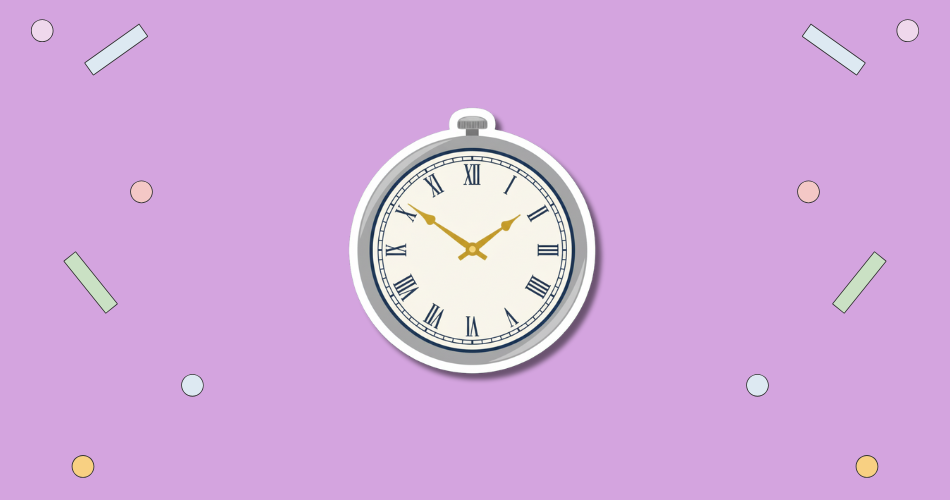
Daylight Saving Day
Moreover, the transition reminds us that timekeeping is not just about clocks and schedules—it reflects our relationship with nature’s cycles, daylight, work, rest and the structure of our lives. In a world where so many hours are fixed by artificial light and schedules, this adjustment draws attention to something more primal: the light of day and how we live by it.
- It gives us a tangible marker of seasonal change
- It affects sleep schedules and human circadian rhythms
- It signals shorter evenings and earlier nights, which many experience emotionally
- It influences behaviour in everything from commuting to leisure to energy use
- It reminds us that our societal time‑structure is designed, not natural
How to Observe Summertime Ends (Daylight Savings Ends) USA
Make it yours
How would you like to spend Summertime Ends (Daylight Savings Ends)?
Tick what fits you, and we will put together ideas made for this day — not for any day.
Observing the end of daylight saving time can be simple yet meaningful. Before you go to bed on the night before the change, set your clocks back one hour. Think of it not just as a technical shift, but as a moment to pause: enjoy the extra hour of rest or use it to reflect. In the morning, embrace the earlier sunlight—take a quiet moment with a cup of coffee or a walk in the morning light.
It’s also a good moment to perform a household check: change batteries in smoke or carbon‑monoxide detectors, update any manual clocks that don’t adjust automatically, and ensure your devices reflect the correct time. These small actions anchor the change in practical care and intention.
- Set clocks back before bed to avoid confusion Sunday morning
- Use the extra hour as rest or a gentle start to the day
- Welcome the earlier morning light—maybe step outside for a moment
- Check smoke alarms, carbon‑monoxide detectors, and manual clocks
- Acknowledge the shift: plan for shorter evenings or adjust your routines accordingly
Summertime Ends (Daylight Savings Ends) USA Dates Table
| Year | Date | Day of the week |
|---|---|---|
| 2026 next | November 1 | Sunday |
| 2027 | November 7 | Sunday |
| 2028 | November 5 | Sunday |
| 2029 | November 4 | Sunday |
| 2030 | November 3 | Sunday |
Sorry to hear you didn't enjoy this article...

British Summer Time Begins
Help us make it better!