
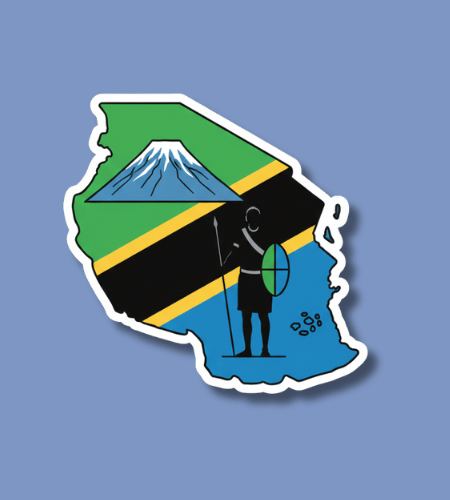
Tanzania Independence Day is observed annually on December 9. This patriotic holiday marks the moment in 1961 when Tanganyika regained its sovereignty from British colonial rule, laying the foundation for the modern nation of Tanzania.
Table of Contents
History of Tanzania Independence Day
The journey to independence began decades before the official date, rooted in the resistance against colonial powers. Initially part of German East Africa, the territory came under British administration after World War I. The drive for self-rule accelerated in the 1950s with the formation of the Tanganyika African National Union (TANU). Led by Julius Nyerere, a charismatic teacher and political strategist, the movement emphasized unity and peaceful transition rather than armed conflict. Nyerere traveled across the country, speaking to diverse ethnic groups to build a cohesive national identity that transcended tribal lines.
On December 9, 1961, the British flag was lowered, and the flag of the new independent Tanganyika was raised. Julius Nyerere became the first Prime Minister, and a year later, the country became a republic with Nyerere as President. It is important to note that this day specifically commemorates the independence of the mainland (Tanganyika). The nation we know today as Tanzania was formed later, in 1964, through the union of Tanganyika and the islands of Zanzibar. However, December 9 remains the primary date for celebrating the birth of the nation’s freedom and sovereignty.
Why is Tanzania Independence Day important?
This day serves as a powerful reminder of the dignity of self-determination and the value of national unity. It honors the vision of “Uhuru na Umoja” (Freedom and Unity), which became the guiding motto for the country. The peaceful nature of Tanganyika’s transition to independence is a source of immense pride, distinguishing it from many other liberation struggles of the era. It highlights the leadership of “Mwalimu” Julius Nyerere, whose philosophies on education, self-reliance, and African socialism deeply influenced the country’s development and moral compass.
Beyond its historical significance, the holiday reinforces the unique identity of the Tanzanian people. With over 120 ethnic groups living together in relative harmony, the day focuses on what connects citizens rather than what divides them. It is a time to reflect on the progress made in infrastructure, education, and health since the colonial era. The observance also reaffirms Tanzania’s role as a stabilizer in East Africa, remembering its history of supporting other liberation movements across the continent.
- It commemorates the end of decades of foreign colonial rule.
- The day honors Julius Nyerere and the founding fathers of the nation.
- It celebrates the peaceful transition of power in 1961.
- The holiday promotes national unity among diverse ethnic groups.
- It provides an opportunity to reflect on the country’s future goals.
How to Celebrate Tanzania Independence Day
Celebrations are typically vibrant and community-oriented, often centering around the National Stadium in Dar es Salaam or local gathering spots in other regions. Attending or watching the official parades is a common tradition, where military processions, marching bands, and cultural troupes display the nation’s heritage. The President usually addresses the nation, outlining achievements and future challenges. For many, simply wearing the national colors—green, yellow, black, and blue—is a way to show solidarity and pride throughout the day.
Families often use the public holiday to gather for special meals, enjoying traditional dishes that bring people together. Preparing a feast with staples like pilau (spiced rice), nyama choma (grilled meat), and ugali is a popular way to mark the occasion. In some years, the government or local communities may dedicate the day to national service, such as cleaning public spaces or planting trees, reflecting the spirit of collective responsibility. Engaging with Tanzanian music, specifically Bongo Flava or traditional rhythms, adds a festive soundtrack to the anniversary.
- Watch the official military parade and cultural performances on television.
- Cook a traditional meal like pilau or biryani for family and friends.
- Wear clothing featuring the colors of the Tanzanian flag.
- Listen to speeches by national leaders regarding the country’s progress.
- Participate in community service activities if organized locally.
Tanzania Independence Day Dates
| Year | Date | Day |
|---|---|---|
| 2026 | December 9 | Wednesday |
| 2027 | December 9 | Thursday |
| 2028 | December 9 | Saturday |
| 2029 | December 9 | Sunday |
| 2030 | December 9 | Monday |
Subscribe to our newsletter and never miss a holiday again!