
Trinidad and Tobago Independence Day
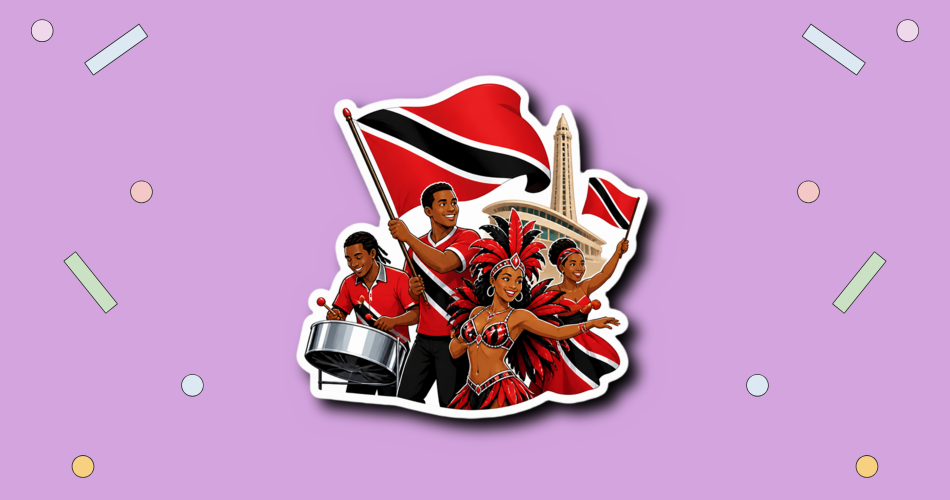
Trinidad and Tobago Independence Day is celebrated annually on August 31. In 2027, this date falls on a Tuesday. This national holiday marks the country's freedom from British rule in 1962 and is observed with vibrant parades, music, and cultural festivities across both islands.
Contents
HT Meter
Does this day matter to you?
Tap the meter if it does, and say whether you will be celebrating — that is what opens the wishes from everybody else who will be.
This day matters to me
0 Be the first to say so
Just getting started
0 Let others know you’re in.
Wishes, greetings and stories
Join the celebration to share a wish, a greeting, or how this day goes in your house.
These are kept for the people celebrating this day. Say you will be celebrating to read them and to add your own.
You have already shared something here recently.
Nothing here yet. Yours would be the first.
History of Trinidad and Tobago Independence Day
The history of Trinidad and Tobago began long before independence. The islands emerged from the Atlantic Ocean around 150 million years ago due to volcanic subduction on the edge of the Caribbean Plate. Indigenous people from South America settled there, and Christopher Columbus reached Trinidad in 1498 during his third voyage. Spain established the first European colony, and by 1777, Spanish rulers offered tax exemptions to attract settlers to the underpopulated islands. In 1797, the British captured the islands with little bloodshed.
Under British rule, plantation owners brought enslaved Africans to work the land. After slavery was abolished, indentured laborers from India were brought in, and these two ethnic groups became the majority, shaping the nation's unique culture and traditions. Trinidad and Tobago gained independence from the United Kingdom on August 31, 1962, becoming a sovereign nation. Dr. Eric Williams is recognized as a key figure in the independence movement.
Why is Trinidad and Tobago Independence Day important?
This day celebrates the freedom of a nation and the spirit of self-determination. It honors the journey from colonial rule to independence and reminds citizens of the value of liberty. The holiday also highlights the exceptional biodiversity of Trinidad and Tobago, which includes the world's largest natural deposit of asphalt at La Brea Pitch Lake and the highest number of bird species per square mile.
Independence Day in Grenada
Trinidad and Tobago has a unique culture that blends Indian and African influences, fused over centuries. The limbo dance originated here, and Janelle Penny Commissiong became the first black winner of the Miss Universe pageant. The country also hosts the world's oldest legally conserved reserve forest. Independence Day is a time to appreciate these cultural and natural wonders.
- Read about the history of Trinidad and Tobago to understand its path to independence.
- Visit Trinidad and Tobago to experience the celebrations and festivals firsthand.
- Wish citizens a happy independence day using social media.
- Decorate homes and businesses with national colors and flags.
- Enjoy traditional dishes like callaloo, doubles, or bake and shark.
How to Celebrate Trinidad and Tobago Independence Day
Make it yours
How would you like to spend Trinidad and Tobago Independence Day?
Tick what fits you, and we will put together ideas made for this day — not for any day.
Local businesses can honor the day by decorating their premises with national colors and flags, creating a festive atmosphere. Restaurants and cafes can feature special menus with traditional dishes such as callaloo, doubles, or bake and shark. Retailers might offer discounts on locally made products or host cultural performances to engage customers. Engaging with community events, sponsoring local talent, or sharing messages of national pride on social media can foster goodwill and connect with the spirit of the holiday.
Individuals can attend government-sponsored parades and ceremonies in Port of Spain, as well as community-led celebrations in towns and villages across both islands. Many citizens host private gatherings and parties. The day is filled with parades, songs, dances, and various official and unofficial events. Sharing photos and videos of vibrant parades, national dress, and cultural performances on social media using hashtags like #TrinidadAndTobagoIndependence helps spread the celebration.
Trinidad and Tobago Independence Day Dates
| Year | Date | Day |
|---|---|---|
| 2026 | August 31 | Monday |
| 2027 | August 31 | Tuesday |
| 2028 | August 31 | Thursday |
| 2029 | August 31 | Friday |
| 2030 | August 31 | Saturday |
Sorry to hear you didn't enjoy this article...
Saint Vincent and the Grenadines Independence Day
Help us make it better!