




Vesuvius Day
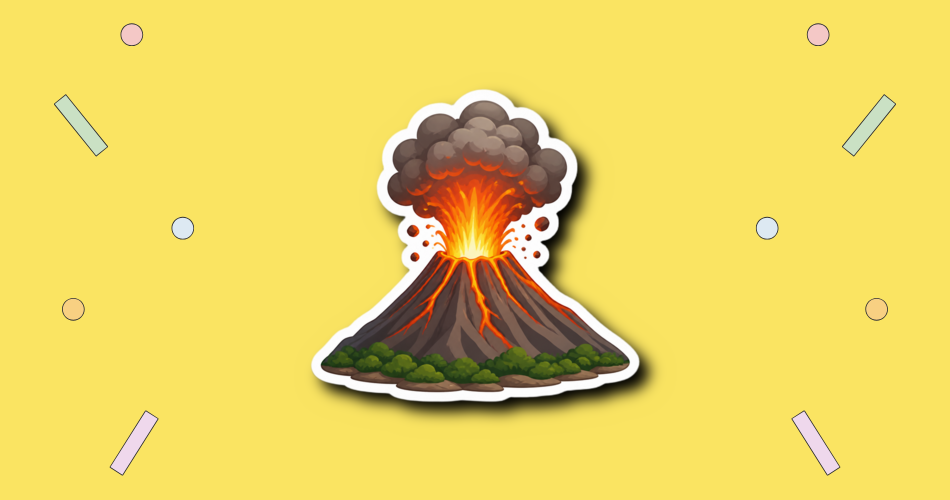
Vesuvius Day is commemorated on August 24. In 2027, this date falls on a Tuesday. This date marks the catastrophic eruption of Mount Vesuvius in 79 AD, which buried the Roman city of Pompeii under volcanic ash and pumice. Though the event happened nearly two millennia ago, its legacy endures as a powerful reminder of nature's destructive force and the fragility of human civilization.
Contents
HT Meter
Does this day matter to you?
Tap the meter if it does, and say whether you will be celebrating — that is what opens the wishes from everybody else who will be.
This day matters to me
0 Be the first to say so
Just getting started
0 Let others know you’re in.
Wishes, greetings and stories
Join the celebration to share a wish, a greeting, or how this day goes in your house.
These are kept for the people celebrating this day. Say you will be celebrating to read them and to add your own.
You have already shared something here recently.
Nothing here yet. Yours would be the first.
History of Vesuvius Day
Mount Vesuvius, a stratovolcano on the Bay of Naples, had been dormant for centuries before its violent awakening on August 24, 79 AD. The eruption sent a column of ash, gas, and rock miles into the sky, followed by pyroclastic flows that swept down the mountain at hundreds of miles per hour. Pompeii, a bustling Roman city of about 20,000 residents, was buried under up to 20 feet of volcanic debris. Herculaneum and other nearby settlements suffered similar fates. The disaster was described in vivid detail by the Roman writer Pliny the Younger, whose letters provide one of the earliest firsthand accounts of a volcanic eruption.
For centuries, the lost cities lay forgotten beneath the ash. It was not until the 18th century that systematic excavations began, revealing remarkably preserved buildings, artifacts, and even the casts of human bodies frozen in their final moments. The discovery of Pompeii captivated the world and sparked a renewed interest in classical archaeology. Vesuvius Day emerged as an unofficial observance in the United States, likely through historical societies and educational institutions, to honor the anniversary of the eruption and reflect on its significance. Today, the day is marked by museum exhibits, lectures, and discussions about volcanic hazards and ancient history.
Why is Vesuvius Day important?
Vesuvius Day serves as a historical touchstone, reminding us of the power of natural disasters to reshape civilizations. The eruption of Mount Vesuvius remains one of the most studied volcanic events in history, providing critical insights into pyroclastic flows, volcanic ash dispersal, and the long-term effects of such catastrophes. Archaeologists continue to uncover new details from Pompeii and Herculaneum, shedding light on Roman daily life, art, and society. The day also underscores the importance of modern volcano monitoring and disaster preparedness, as Vesuvius is still active and poses a threat to the densely populated region around Naples.

Rome Foundation Day
Beyond its scientific and historical value, Vesuvius Day encourages reflection on human resilience. The destruction of Pompeii was absolute, yet the city's rediscovery has given us an unparalleled window into the past. The casts of victims—families huddled together, individuals caught mid-stride—evoke empathy and a sense of shared humanity across time. This day also prompts us to consider the millions of people living near active volcanoes today and the ongoing need for education and evacuation plans.
- Reflect on the human cost: The eruption killed an estimated 10,000 to 20,000 people, many of whom suffocated or were incinerated by the heat. The day invites quiet remembrance of those lost.
- Learn about volcanic science: Vesuvius is one of the most monitored volcanoes on Earth. Observing the day can include exploring how scientists predict eruptions and mitigate risks.
- Appreciate archaeological preservation: The ash that destroyed Pompeii also preserved it. The site offers an unmatched snapshot of ancient Roman life, from street graffiti to frescoes.
- Consider disaster preparedness: Vesuvius remains a danger to 600,000 people in the red zone. The day is a prompt to review emergency plans for natural disasters.
- Connect with history through art and literature: The eruption inspired works from Pliny the Younger to modern films. Engaging with these cultural responses deepens understanding.
How to Celebrate Vesuvius Day
Make it yours
How would you like to spend Vesuvius Day?
Tick what fits you, and we will put together ideas made for this day — not for any day.
Observing Vesuvius Day can be a quiet, reflective practice. Many people choose to watch documentaries about the eruption or read Pliny the Younger's letters for a firsthand account. Visiting a museum that features Pompeii artifacts—such as the Smithsonian or the Getty Villa—can bring the story to life. For those who prefer a more personal approach, writing a journal entry about impermanence or resilience can be a meaningful way to honor the day.
- Watch a documentary about Pompeii or Mount Vesuvius to learn about the eruption's impact.
- Read Pliny the Younger's letters which describe the event in real time.
- Explore online resources from the Pompeii Archaeological Park or National Geographic.
- Visit a local museum that has exhibits on volcanic eruptions or ancient Rome.
- Discuss with friends or family the lessons of history and the importance of being prepared for natural disasters.
Vesuvius Day Dates
| Year | Date | Day of the week |
|---|---|---|
| 2026 | August 24 | Monday |
| 2027 next | August 24 | Tuesday |
| 2028 | August 24 | Thursday |
| 2029 | August 24 | Friday |
| 2030 | August 24 | Saturday |